Email
Email Deutsch
 English
 français
 русский
 italiano
 español
 português
 العربية
 日本語
日本語 한국의
한국의 中文
中文


-
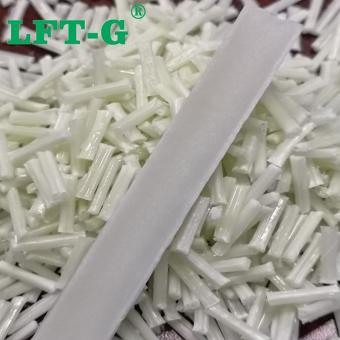
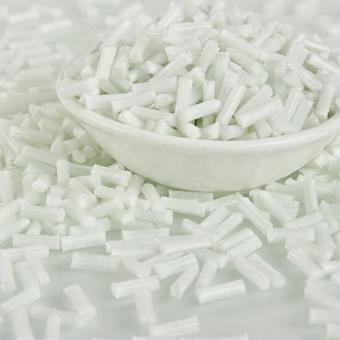
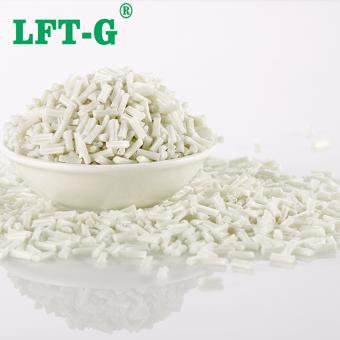
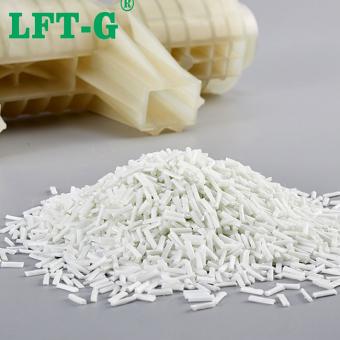
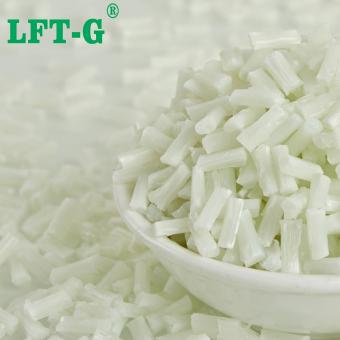
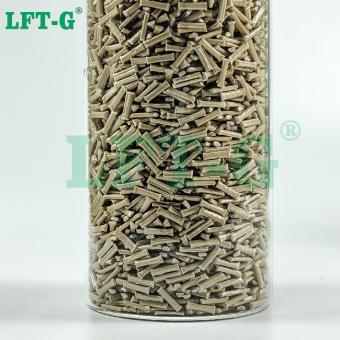
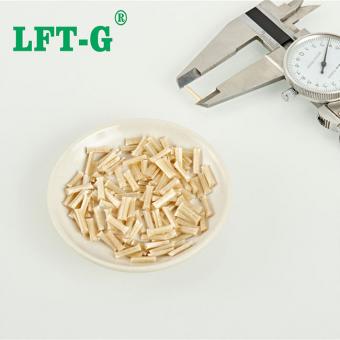
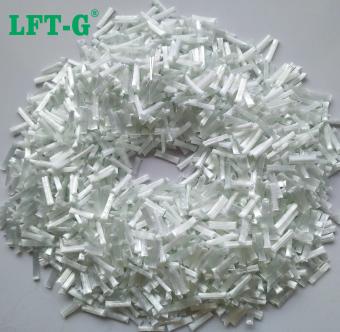
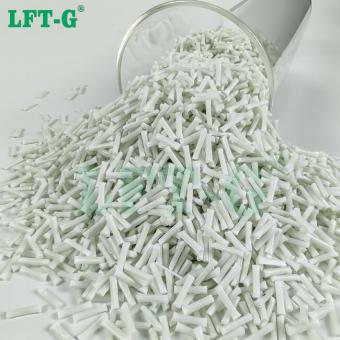
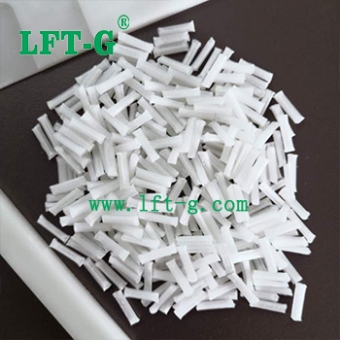
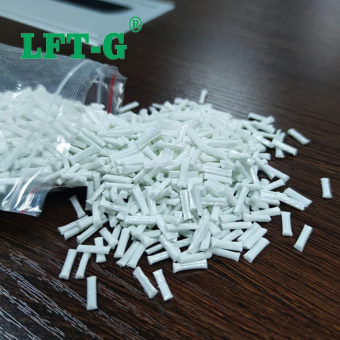
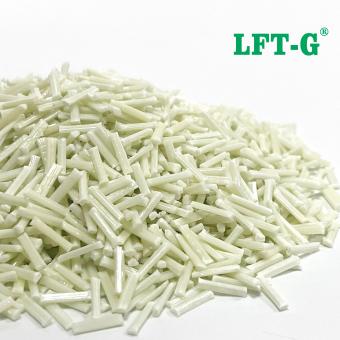
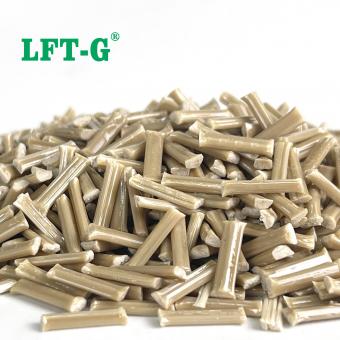
Xiamen LFT-G Hochfester MXD6-Verbundwerkstoff mit Füllung aus langglasfaserverstärktem Kunststoff, OriginalfarbeNylon - MXD6 ist eine Art kristallines Polyamidharz, das durch Kondensation von m-Benzoylamin und Adipinsäure synthetisiert wird.
- Kristallines Nylonharz mxd6 gf guter Preis
- Verbundwerkstoffe mit langen Glasfasern mxd6
- Hochleistungskunststoff mxd6
- Hergestellt in China Produkte Verbindungen mxd6
- Kundenspezifische Kunststoff-Glasfaser-Zusätze erhöhen die Festigkeit von MXD6.
- Thermoplastisches Harz
Tags :
-
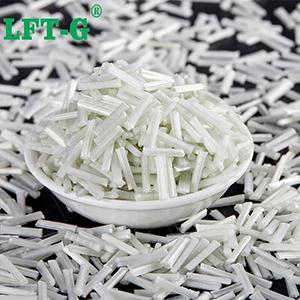
Xiamen LFT-G Polypropylen-gefüllter, langglasfaserverstärkter, hochleistungsfähiger, modifizierter Kunststoff 12 mmPP-LGF Bei glasfaserverstärktem Polypropylen (PP) liegt die Zugfestigkeit üblicherweise zwischen 20 und 30 MPa, die Biegefestigkeit zwischen 25 und 50 MPa und der Biegemodul zwischen 800 und 1500 MPa. Soll PP in technischen Bauteilen eingesetzt werden, ist eine Glasfaserverstärkung erforderlich. Durch die Verstärkung von PP mit Glasfasern lassen sich die mechanischen Eigenschaften von PP-Produkten vervielfachen oder sogar um ein Vielfaches verbessern. Konkret erreicht die Zugfestigkeit Werte von 65 MPa bis 90 MPa, die Biegefestigkeit von 70 MPa bis 120 MPa und der Biegemodul von 3000 MPa bis 4500 MPa. Diese mechanischen Eigenschaften sind mit denen von ABS und verstärkten ABS-Produkten vergleichbar, und das Material ist zudem hitzebeständiger. Die Hitzebeständigkeit von glasfaserverstärktem PP, herkömmlichem ABS und verstärktem ABS liegt zwischen 80℃ und 98℃, während die Hitzebeständigkeit von glasfaserverstärktem PP bis zu 135℃ bis 145℃ erreichen kann. Durch die Modifizierung von PP-Füllstoffen, beispielsweise durch Zugabe anorganischer Mineralien wie Talkum, Calciumcarbonat, Titandioxid oder Glimmer, lassen sich Steifigkeit, Hitzebeständigkeit und Glanz verbessern. Die Zugabe von Kohlenstoff-, Bor- oder Glasfasern erhöht die Zugfestigkeit. Flammschutzmittel verbessern die Flammschutzwirkung. Antistatika, Farbstoffe und Dispergiermittel verbessern die antistatischen Eigenschaften, die Einfärbbarkeit und die Fließfähigkeit. Nukleierungsmittel beschleunigen die Kristallisation, erhöhen die Kristallisationstemperatur und führen zur Bildung kleinerer, sphärischer Kristalle, was Transparenz und Schlagfestigkeit erhöht. Füllstoffe haben somit einen signifikanten Einfluss auf die Eigenschaften von Kunststoffprodukten, verbessern die Verarbeitbarkeit im Spritzgussverfahren und senken die Kosten. Anwendung Als einer der vier gängigen Kunststoffe zeichnet sich PP durch hervorragende Eigenschaften, gute chemische Stabilität, gute Formbarkeit und einen relativ niedrigen Preis aus. Allerdings weist es auch Nachteile wie geringe Festigkeit, Elastizitätsmodul, Härte, niedrige Schlagzähigkeit bei niedrigen Temperaturen, Formschrumpfung und Alterungsanfälligkeit auf. Daher muss es modifiziert werden, um den Produktanforderungen gerecht zu werden. Die Modifizierung von PP erfolgt im Allgemeinen durch Zugabe von mineralischen Verstärkungsmaterialien zur Erhöhung der Zähigkeit, zur Verbesserung der Witterungsbeständigkeit, zur Verstärkung mit Glasfasern, zur Flammschutzbehandlung und zur Erhöhung der Zähigkeit. Jede Art von modifiziertem PP findet vielfältige Anwendung im Bereich der Haushaltsgeräte. Glasfaserverstärktes PP eignet sich zur Herstellung von Kühlschränken und Klimaanlagen, beispielsweise für Axial- und Querstromventilatoren. Darüber hinaus kann es auch für die Fertigung der Innentrommel von Hochgeschwindigkeitswaschmaschinen, Wellenrädern und Riemenscheiben verwendet werden, um den hohen Anforderungen an die mechanischen Eigenschaften gerecht zu werden. Weitere Anwendungsbereiche sind der Sockel und Griff von Reiskochern, Mikrowellenherde und andere Geräte mit hohen Anforderungen an die Temperaturbeständigkeit. Glasfaserverstärktes PP. Herkömmliches kurzglasfaserverstärktes PP weist aufgrund der kurzen Glasfasern eine geringe Verformungsneigung, eine niedrige Schlagfestigkeit und eine leichte Verformbarkeit bei Erwärmung auf. Langglasfasern können diese Nachteile überwinden, und das Produkt bietet eine bessere Oberfläche, höhere Temperaturbeständigkeit und höhere Schlagfestigkeit und eignet sich daher für Kühlschränke und Küchengeräte mit hoher Hitzebeständigkeit. Glasfaserverstärktes Polypropylen (PP) basiert auf reinem PP und wird durch die Zugabe von Glasfasern und anderen Additiven verstärkt, um den Anwendungsbereich des Materials zu erweitern. Im Allgemeinen werden glasfaserverstärkte Werkstoffe hauptsächlich in den Strukturbauteilen von Produkten eingesetzt und zählen somit zu den Konstruktionswerkstoffen. Datenblatt Fälle Xiamen LFT Composite Plastic Co., Ltd. Xiamen LFT Composite Plastic Co., Ltd. wurde 2009 gegründet und ist ein weltweit führender Anbieter von langfaserverstärkten thermoplastischen Werkstoffen. Das Unternehmen vereint Produktforschung und -entwicklung, Produktion und Vertrieb. Unsere LFT-Produkte sind nach ISO 9001 und 16949 zertifiziert und verfügen über zahlreiche nationale Marken und Patente. Sie finden Anwendung in den Bereichen Automobilindustrie, Militärteile und Waffen, Luft- und Raumfahrt, erneuerbare Energien, Medizintechnik, Windenergie, Sportgeräte und mehr.
- Hochleistungs-Polypropylen mit langen Glasfasern
- PP-Spritzguss-Verbundwerkstoff
- PP-Harzverbindungen LFT GF
- PP LGF LFT thermoplastisches Harz, hergestellt in China
- LGF-Füllmaterial-PP-Rohmaterialmuster verfügbar
- Die PP-Industrie verwendet umweltfreundliche Materialien
Tags :
-
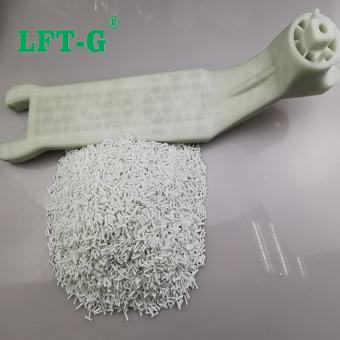
LFT-G PA6 Polyamid 6 Nylon 6 Füllung aus langen Glasfasern 40 Originalfarbe für AutomobilteilePA6 & PA6-LGF Langglasfaserverstärktes Nylon PA6, also known as Nylon 6, is a high-performance polyamide widely used in engineering plastics, fibers, and films. It is a thermoplastic polymer with repeating amide groups (-NH-CO-) in the main chain, offering strong mechanical properties and versatile processing capabilities. What is PA6 Plastic? PA6 is an aliphatic polyamide that provides excellent strength, wear resistance, and chemical resistance to weak acids, alkalis, and certain organic solvents. Its lightweight and processable nature make it widely applied in fibers, engineering plastics, and thin films. However, the polar amide groups in PA6 easily form hydrogen bonds with water molecules, which can result in high moisture absorption, dimensional changes, and reduced impact strength in dry or low-temperature conditions. Advantages of PA6 High mechanical strength and toughness with excellent tensile and compressive properties Outstanding fatigue resistance, maintaining strength after repeated bending High softening point, heat resistant Low friction and wear-resistant surface Corrosion resistance to alkalis, salts, weak acids, oils, and most solvents Self-extinguishing, non-toxic, odorless, and good weather and biological resistance Excellent electrical insulation even in high humidity environments Lightweight, easy to dye, and easy to mold due to low melting viscosity Limitations of PA6 High moisture absorption (up to 3% when saturated) Poor light and thermal stability; prolonged high-temperature exposure may cause discoloration and surface cracking Strict injection molding requirements; trace moisture can affect product quality Dimensional stability is sensitive to thermal expansion and wall thickness variations Not resistant to strong acids or oxidizing agents; unsuitable for acid-resistant applications Why Reinforce PA6 with Long Glass Fiber? To overcome the natural limitations of PA6, long glass fiber (LGF) reinforcement is applied. PA6-LGF composites combine the lightweight, chemical, and heat resistance of PA6 with the mechanical strength and dimensional stability of long glass fibers. LGF reinforcement improves tensile, compressive, and flexural strength, reduces shrinkage, enhances fatigue resistance, and provides improved thermal and chemical stability. This makes PA6-LGF ideal for high-performance structural components. Applications of PA6-LGF PA6 reinforced with 30% long glass fiber (30% LGF) is widely used in: Power tool shells and components Engineering machinery parts Automobile structural and functional components The composite improves mechanical strength, dimensional stability, heat resistance, aging resistance, and fatigue resistance. Its fatigue strength can be up to 2.5x that of unreinforced PA6. Processing and Forming Tips for 30% PA6-LGF Shrinkage is reduced to ~0.3% compared with 1–1.5% for pure PA6. Excessive fiber content may cause surface floating fibers and poor compatibility. 30% LGF is recommended for balanced performance. Recycled material content should be kept below 25% to avoid color and mechanical property degradation. Gradual cooling after molding prevents warping due to fiber orientation during injection molding. Mold design, gate position, and temperature control are critical. Customers & Staffs Certificates
- Polyamid-6-Verbundwerkstoff
- LGF-Thermoplastharz
- Hochschlagfestes PA6
- Spritzgusskunststoff
- PA6-Füllung Langglasfaser
- Verstärkter Kunststoff
Tags :
-
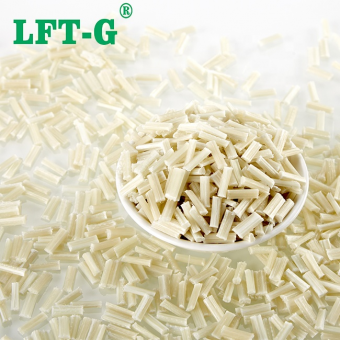
LFT-G modifiziertes Nylon 66 (PA66) Füllstoff mit langen Glasfasern für elektronische GerätePA66-LGF Langglasfaserverstärktes Nylon PA66, or Nylon 66, is a high-performance polyamide widely used in engineering plastics. It offers excellent mechanical properties including tensile strength, flexural strength, and impact resistance, along with superior thermal and chemical stability. With lightweight, high wear resistance, good electrical insulation, and self-extinguishing properties, PA66 is ideal for automotive, electrical, industrial equipment, and construction applications. Why Reinforce PA66 with Long Glass Fiber? While PA66 is versatile, it has limitations: high water absorption, low compressive strength when wet, poor alkali resistance, and potential deformation at ultra-low temperatures. Long glass fiber (LGF) reinforcement addresses these challenges. Adding LGF significantly improves impact resistance, thermal deformation resistance, mechanical performance, molding processability, and chemical resistance. LGF acts as a robust internal skeleton, enhancing the durability and reliability of PA66 components. PA66-LGF Technical Datasheet *The datasheet is tested by Xiamen LFT and provided for reference only.* Applications of PA66-LGF PA66 reinforced with 30% long glass fiber is ideal for high-performance applications such as: Automotive components and structural parts Power tool housings and mechanical parts Industrial equipment components For specialized applications, please consult our technical team. PA66-LGF Product Details Number Color Length Sample MOQ Port of Loading Delivery Time Payment Terms PA66-NA-LGF30 Original color (customizable) 12mm (customizable) Available 25kg Xiamen Port 7-15 days after shipment Discussed Xiamen LFT Composite Plastic Co., Ltd Xiamen LFT Composite Plastic Co., Ltd. is a leading manufacturer specializing in long fiber reinforced thermoplastics (LFT & LFRT), including Long Glass Fiber (LGF) and Long Carbon Fiber (LCF) series. Our thermoplastic LFT can be applied in LFT-G injection molding, extrusion molding, and LFT-D molding. We provide products according to customer requirements with fiber lengths from 5 to 25mm. Our continuous infiltration reinforced thermoplastics have passed ISO9001 & 16949 certifications and hold numerous national patents and trademarks. Our Services Technical parameters and leading-edge design of LFT & LFRT materials Mold front design recommendations Technical support for injection molding and extrusion molding processes
- Elektronisches Gerät mit geringer Verformung
- selbstbesitzende PA66-Pellets
- Hochfeste und zähe verstärkte PA66-Pellets
- bestes langglasfaser PA66 LGF30 Granulat
- PA66 6 Doppelschnecken-LGF-Pellets
- Anwendung von langfaserigen PA66-Granulaten
Tags :
-
PLA (Polymilchsäure) ist ein thermoplastisches Harz mit langen Glasfasern für technische Anwendungen.PLA & LGFPLA – Umweltfreundliche und verstärkte Biokunststoffe PLA (Polylactic Acid) is a non-natural polyester and one of the most promising "green plastics." Known for its biocompatibility, biodegradability, and high mechanical strength, PLA can be completely degraded by microorganisms into CO₂ and water, making it non-toxic and environmentally friendly. PLA offers mechanical properties similar to polypropylene, while providing the gloss, clarity, and processability of polystyrene. With a lower processing temperature than polyolefins, PLA can be molded via injection molding, extrusion, blow molding, spinning, and other general plastic processes. Its applications range from disposable packaging and fibers to nonwovens, and extend to medical, chemical, pharmaceutical, and 3D printing industries. Long Glass Fiber Reinforced PLA (LGFPLA) Glass fiber is an inorganic non-metallic material with excellent insulation, heat resistance, corrosion resistance, and mechanical strength. When used to reinforce PLA, it creates Long Glass Fiber PLA (LGFPLA), a high-performance thermoplastic composite with glass fibers 10–25mm long, forming a 3D structure for superior strength and stability. LGFPLA is available as columnar pellets, typically 12mm (for injection molding) or 25mm (for compression molding) in length, with glass fiber content from 20% to 60%. Colors can be customized to match client requirements. Advantages of LGF vs SGF (Long Fiber vs Short Fiber PLA) Longer fiber length improves mechanical properties and part durability. High specific stiffness and strength, with excellent impact resistance — ideal for automotive parts. Improved creep resistance and dimensional stability for precise molding. Outstanding fatigue resistance and long-term reliability. Stable performance in high temperature and humid environments. Minimal fiber damage during molding due to fiber mobility within the mold. Technical Specifications Product Number Color Length Fiber Specification Package Sample Port of Loading Delivery Time PLA-NA-LGF Natural or customizable 6–25mm 20%–60% 25kg/bag Available Xiamen Port 7–15 days after shipment Lab & Factory Xiamen LFT Composite Plastic Co., Ltd. Xiamen LFT Composite Plastic Co., Ltd. specializes in developing and producing long glass fiber (LGF) and long carbon fiber (LCF) reinforced thermoplastic composites (LFT-G, LFRT, LFT). Our materials are lightweight, high-strength, impact-resistant, and environmentally friendly, offering excellent corrosion and chemical resistance along with superior molding performance. Our products are used across industries including automotive, aerospace, military, electrical, medical, sports equipment, and daily consumer goods, producing components such as gears, rollers, pulleys, pump impellers, fan blades, and more.
- PLA-verstärkter Kunststoff LGF-Produktion PLA
- LFT-G PLA-Spritzguss-modifizierte Materialien
- Langglasfaser-Verbindungen PLA-Harz-Basis
- PLA-Pellets mit langen Fasern, 30, hergestellt in China
- Direktvertrieb vom Hersteller von PLA-Polymeren
- PLA-Reinpellets, Neuware, LFT
Tags :
-
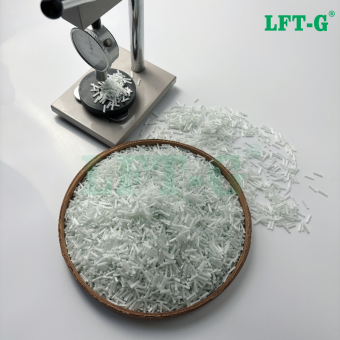
LFT-G Industrie verwendet HDPE-Füllung LGF 30–60 % hochfeste Pellets 12 mm Probe kostenlosHDPE-Kunststoff | Langglasfaserverstärktes HDPE Was ist HDPE? Hochdichtes Polyethylen (HDPE) ist ein granulierter, thermoplastischer Werkstoff, der ungiftig, geruchlos und hochkristallin (80–90 %) ist. Er hat einen Erweichungspunkt von 125–135 °C und kann bis zu einer Temperatur von 100 °C eingesetzt werden. Im Vergleich zu niedrigdichtem Polyethylen (LDPE) zeichnet sich HDPE durch höhere Härte, Zugfestigkeit, Kriechfestigkeit, Verschleißfestigkeit, elektrische Isolation, Zähigkeit und Kältebeständigkeit aus. Es bietet zudem eine ausgezeichnete chemische Stabilität, da es bei Raumtemperatur in allen organischen Lösungsmitteln unlöslich und beständig gegen Korrosion durch Säuren, Laugen und verschiedene Salze ist. Langglasfaserverstärkte Kunststoffe (LGF) Langglasfaserverstärkte Kunststoffe (LGF-Kunststoffe) entstehen durch die Zugabe von lange Glasfasern und anderen Additiven zu reinen Kunststoffen. Diese Verstärkung verbessert die mechanischen und thermischen Eigenschaften des Materials deutlich und macht es somit für Konstruktions- und Ingenieuranwendungen geeignet. LGF-Kunststoffe werden häufig mit Materialien wie PP, ABS, PA66, PA6, HDPE, PPA, TPU, PEEK, PBT und PPS verwendet. Vorteile von langglasfaserverstärkten Kunststoffen Erhöhte Hitzebeständigkeit: Glasfasern verbessern die Hochtemperatureigenschaften von Kunststoffen, insbesondere von Materialien auf Nylonbasis. Geringere Schrumpfung und erhöhte Steifigkeit: Die Faserverstärkung schränkt die Bewegung der Polymerketten ein und verbessert so die Dimensionsstabilität. Verbesserte Schlagfestigkeit: Verstärkte Kunststoffe widerstehen Spannungsrissen und weisen eine höhere Zähigkeit auf. Erhöhte Festigkeit: Zug-, Druck- und Biegefestigkeit werden durch die hochfesten Glasfasern deutlich verbessert. Flammschutzwirkung: Durch die Zugabe von Fasern und Additiven wird die Entflammbarkeit verringert, wodurch die meisten verstärkten Kunststoffe nicht entflammbar sind. HDPE / LGF Datenblatt Kontaktieren Sie uns Für weitere Informationen über HDPE-Kunststoff Und langglasfaserverstärktes HDPE Für weitere Informationen zu den Materialien wenden Sie sich bitte an unser Vertriebsteam. Wir bieten technischen Support, kundenspezifische Lösungen und Musteranfragen für Ihre industriellen und ingenieurtechnischen Anwendungen.
- HDPE-Füllung, lange Glasfasern, weiß
- Hochleistungs-HDPE mit LGF
- Spritzgusskunststoff HDPE Neuware
- Originalfarbe 10-12mm HDPE-Pellets Polymerharz
- Technische Kunststoffe wie HDPE können recycelt werden.
- thermoplastische Compounds HDPE hohe Steifigkeit
Tags :
-
MXD6-Füllung, Langglasfaser 30, hochfestes Spritzgussverfahren, Naturfarbe, Muster verfügbarMXD6-Kunststoff | Langglasfaserverstärktes MXD6 (MXD6-LGF) Was ist MXD6? Polyadipyl-m-benzoylamin, allgemein bezeichnet als MXD6 oder Nylon MXD6 MXD6 ist ein Hochleistungsthermoplast. Im Vergleich zu anderen technischen Kunststoffen weist MXD6 eine höhere mechanische Festigkeit und einen höheren Elastizitätsmodul auf. Es handelt sich zudem um ein spezielles Hochbarriere-Nylon mit ausgezeichneter Beständigkeit gegenüber Sauerstoff und Kohlendioxid. Anders als PVDC oder EVOH wird seine Barrierewirkung nicht durch Temperatur oder Luftfeuchtigkeit beeinträchtigt, wodurch sich MXD6 ideal für Umgebungen mit hohen Temperaturen und hoher Luftfeuchtigkeit eignet. Strukturelle und mechanische Leistungsfähigkeit MXD6-Nylon zeichnet sich durch hohe Festigkeit, hohe Steifigkeit, hohe thermische Verformungstemperatur, geringe Wärmeausdehnung, ausgezeichnete Dimensionsstabilität und geringe Wasseraufnahme aus. Seine mechanischen Eigenschaften verändern sich nach Wasseraufnahme nur minimal. MXD6 weist eine geringe Schrumpfung für präzises Umformen, eine ausgezeichnete Lackierbarkeit bei hohen Temperaturen und hervorragende Barriereeigenschaften auf. Vorteile von MXD6 Behält eine hohe Festigkeit und Steifigkeit über einen weiten Temperaturbereich bei Hohe Wärmeformbeständigkeitstemperatur bei niedrigem Wärmeausdehnungskoeffizienten geringe Wasseraufnahme und minimale Reduzierung der mechanischen Eigenschaften Geringe Formschrumpfung, geeignet für Präzisionsformverfahren Hervorragende Lackierbarkeit, insbesondere bei hohen Temperaturen Hervorragende Barriere gegen Sauerstoff, Kohlendioxid und andere Gase MXD6-LGF | Langglasfaserverstärktes MXD6 MXD6 lässt sich mit Langglasfasern, Kohlenstofffasern, Mineralien und modernen Füllstoffen zu Verbundwerkstoffen mit 50–60 % Glasfaserverstärkung verarbeiten. Dies führt zu außergewöhnlicher Festigkeit und Steifigkeit bei gleichzeitig glatter, harzreicher Oberfläche, die sich ideal zum Lackieren, Beschichten von Metallen oder für reflektierende Gehäuse eignet. Wichtigste Vorteile von MXD6-LGF Hohe Fließfähigkeit bei dünnen Wänden: Kann Wände mit einer Dicke von nur 0,5 mm auch bei einem Glasfaseranteil von 60% füllen. Hervorragende Oberflächenbeschaffenheit: Harzreiche Oberflächen bieten trotz hohem Faseranteil ein hochglänzendes Erscheinungsbild. Sehr hohe Festigkeit und Steifigkeit: Vergleichbar mit vielen Gussmetallen und Legierungen mit 50-60% Glasfaseranteil. Gute Dimensionsstabilität: Geringe Schrumpfung und enge Toleranzen; linearer Ausdehnungskoeffizient ähnlich dem vieler Metalle. MXD6-LGF TDS (Technisches Datenblatt) Anwendungen von MXD6-LGF MXD6-LGF MXD6 ersetzt Metalle in hochwertigen Strukturbauteilen für die Automobil-, Elektronik- und Elektrogeräteindustrie. Es eignet sich hervorragend für Umgebungen, die hohe mechanische Festigkeit und Ölbeständigkeit erfordern, und ist für den Dauerbetrieb bei 120–160 °C ausgelegt. Dank Glasfaserverstärkung erreicht MXD6 eine Hitzebeständigkeit bis zu 225 °C und ist somit ideal für Zylinderblöcke, Zylinderköpfe, Kolben und Synchrongetriebe von Automobilmotoren. MXD6/PPO-Legierungen bieten hohe Temperaturbeständigkeit, hohe Festigkeit, Verschleißfestigkeit, Ölbeständigkeit und ausgezeichnete Dimensionsstabilität und ermöglichen so den Metallersatz in Karosserieteilen, Kotflügeln, Radkappen und komplexen gebogenen Teilen. Über uns
- Langglasfaser MXD6
- langfaserverstärkte Thermoplaste
- langglasfaserverstärkte Kunststoffgranulate
- MXD6 LGF
- glasfaserverstärkte Kunststoffgranulate
- MXD6-Verbindungen
Tags :
-
Xiamen LFT-G PLA Polymilchsäure-Verbundwerkstoff mit langglasfasergefülltem thermoplastischem Harz, OriginalfarbePLA-Kunststoff | Langglasfaserverstärktes PLA (PLA-LGF) Was ist PLA? Polymilchsäure ( PLA PLA ist ein biologisch abbaubarer und umweltfreundlicher Polymerkunststoff, der in schadstofffreien Verfahren hergestellt wird. PLA kann sich auf natürliche Weise in der Umwelt zersetzen und recyceln, was es zu einem idealen umweltfreundlichen Polymerwerkstoff und einem der bekanntesten biologisch abbaubaren Kunststoffe macht. PLA-Struktur und Hitzebeständigkeit Die Molekularstruktur von PLA beeinflusst dessen Hitzebeständigkeit, Zähigkeit, mechanische Festigkeit, Abbaubarkeit und Biokompatibilität. PLA besitzt eine spiralförmige Molekülkette mit geringer Aktivität, was nach dem Spritzgießen zu einer langsamen Kristallisation und einer relativ geringen Hitzebeständigkeit führt. Bei der Heißverarbeitung können Esterbindungen teilweise aufbrechen, wodurch terminale Carboxylgruppen entstehen, die den thermischen Abbau beschleunigen. Langglasfaserverstärktes PLA Verstärkung von PLA mit langen Glasfasern ( PLA-LGF ) verbessert die mechanische Festigkeit, Steifigkeit und Hitzebeständigkeit. Die Fasern dienen als Stützgerüst, schränken die Bewegung der Polymerketten beim Erhitzen ein und erhöhen die thermische Stabilität. Fasertypen zur PLA-Verstärkung Zu den Fasern, die zur PLA-Veredelung verwendet werden, gehören: Natürliche Pflanzenfasern: Sisal, Flachs, Leinen, Bambus, Kokosnuss, Holzfaser Tierische Fasern: Seide Mineralfasern: Basaltfaser Chemiefasern: Glasfaser, Kohlenstofffaser Glasfasern und Kohlenstofffasern finden aufgrund ihrer hohen Festigkeit und ihres hohen Elastizitätsmoduls breite Anwendung, während Naturfasern wegen ihrer biologischen Abbaubarkeit und der Verwendung erneuerbarer Rohstoffe bevorzugt werden. Modifizierte Fasern, die mit PLA gemischt sind, weisen Vicat-Erweichungstemperaturen von über 140 °C auf. Im Vergleich zu Kurzfasern (SGF) Langglasfaserverstärktes PLA weist im Vergleich zu kurzfaserverstärktem PLA (SGF) überlegene mechanische Eigenschaften auf. Es eignet sich besser für große Strukturbauteile und bietet eine 1- bis 3-fach höhere Zähigkeit sowie eine 0,5- bis 1-fach höhere Zugfestigkeit und Steifigkeit. Spritzgießen von PLA-LGF Labor & Tests Lager und Aufbewahrung Zertifizierung Über Xiamen LFT Composite Plastic Co., Ltd. Xiamen LFT Composite Plastic Co., Ltd. ist spezialisiert auf langfaserverstärkte Thermoplaste (LFT), darunter PLA
- PLA-Verbundkunststoff kann recycelt werden
- Polymilchsäure-Materialien Spritzguss
- modifizierte PLA-Verbindungen
- PLA Langglasfaserverstärktes Kunststoffharz
- Langglasfaser-Füllung PLA-Muster verfügbar
- lft-g pla lgf geringer Verzug
Tags :
-
Hochfestes PA12 Nylon12 Verbundmaterial, LGF, reinweiß, für AutomobileProduktnummer: PA12-NA-LGF Faserspezifikation: 20%-60% Produktmerkmale: Hohe Festigkeit, hohe Zähigkeit und Langlebigkeit Produktanwendung: Geeignet für die Automobilindustrie, Sportteile, Solarenergie, Photovoltaikindustrie und andere Branchen.
- Nylon12 Füllung langglasfaserverstärkter Kunststoff
- Langlebigkeit hohe mechanische Eigenschaften
- Verbindungen der Photovoltaikindustrie
- thermoplastisches Spritzgussharz
- 24-Stunden-Service, individuelle Anpassung an Kunststoff statt Metall
- Guter Lieferantenpreis für PA6-Verbundwerkstoffe
Tags :
-
LFT-G PPS Polyphenylensulfid LGF-Verbundwerkstoff Langglasfaser kundenspezifische technische KunststoffePPS & PPS-LGF | Hochleistungskunststoff Was ist PPS? Polyphenylensulfid (PPS) ist ein Hochleistungsthermoplast, der für seine ausgezeichnete Hitzebeständigkeit, chemische Stabilität, Flammwidrigkeit und mechanische Festigkeit bekannt ist. Durch Verstärkung und Modifizierung bietet PPS eine ausgewogene Kombination physikalischer, mechanischer und elektrischer Eigenschaften. PPS zeichnet sich durch hervorragende Dimensionsstabilität, Korrosionsbeständigkeit und elektrische Isolationsleistung aus und eignet sich daher für raue industrielle Umgebungen. Hauptmerkmale von PPS Ausgezeichnete Hochtemperaturbeständigkeit Hohe Härte und Verschleißfestigkeit Hohe Kriechfestigkeit unter Langzeitbelastung Hervorragende elektrische Eigenschaften über einen weiten Temperaturbereich Geringe Empfindlichkeit der mechanischen Eigenschaften gegenüber Temperaturänderungen Unmodifiziertes PPS ist von Natur aus spröde und weist eine relativ geringe Schlagfestigkeit auf. Diese Einschränkungen lassen sich durch Faserverstärkung und Materialmodifizierung wirksam überwinden. Was ist PPS-LGF? PPS-LGF bezeichnet Polyphenylensulfid, verstärkt mit Langglasfasern. Unter den technischen Kunststoffen zeichnet sich PPS-LGF durch seine hervorragende Hitzebeständigkeit, Festigkeit und Langzeitstabilität aus. Wärmeformbeständigkeitstemperatur (HDT) über 260 °C Die chemische Beständigkeit wird nur von PTFE übertroffen. Geringe Formschrumpfung und extrem geringe Wasseraufnahme Hervorragende Flammwidrigkeit und Vibrationsermüdungsbeständigkeit Hervorragende elektrische Isolierung auch bei hoher Luftfeuchtigkeit und hohen Temperaturen Durch den Einsatz von langen Glasfasern verbessert PPS-LGF die Zähigkeit und Schlagfestigkeit deutlich, überwindet die Sprödigkeit von reinem PPS und erzielt eine hervorragende Gesamtleistung. In vielen Anwendungsbereichen kann PPS-LGF Metalle wie Edelstahl, Kupfer, Aluminium und Legierungen ersetzen – was es zu einem idealen Werkstoff für den Metallersatz und für Leichtbaukonstruktionen macht. Bildplatzhalter Anwendungen von PPS-LGF PPS-LGF findet breite Anwendung in Branchen, die hohe Festigkeit, Hitzebeständigkeit und chemische Stabilität erfordern, darunter: Automobilkomponenten Luft- und Raumfahrtstrukturen Haushaltsgeräte Mechanische und strukturelle Teile Anlagen zur chemischen Aufbereitung Elektrische Isolierung und korrosionsbeständige Bauteile Produktdetails Grad Farbe Pelletlänge Mindestbestellmenge Verpackung Probe Lieferzeit Verladehafen PPS-NA-LGF30 Natürlich (anpassbar) ≥ 5–25 mm 25 kg 25 kg / Sack Verfügbar 7–15 Tage nach Versand Hafen von Xiamen Produktionsprozess Unsere PPS-LGF-Materialien werden unter Verwendung einer fortschrittlichen Langfaser-Imprägnierungstechnologie hergestellt, die eine ausgezeichnete Faserlängenstabilität, gleichmäßige Dispersion und stabile mechanische Eigenschaften gewährleistet. Marken und Patente Unsere Materialien werden durch firmeneigene Technologien, eingetragene Marken und patentierte Verfahren unterstützt, um eine gleichbleibende Qualität und zuverlässige Leistung zu gewährleisten. Teams und Kunden Dank eines erfahrenen Forschungs- und Entwicklungsteams sowie eines Produktionsteams genießen unsere PPS-LGF-Materialien weltweit das Vertrauen von Kunden aus den Bereichen Automobil, Industrie und Elektrotechnik. Unser Angebot Technische Daten und Unterstützung für fortschrittliche Konstruktionen von LFT- und LFRT-Materialien Empfehlungen und Optimierung für die Formfrontgestaltung Professioneller technischer Support für Spritzguss- und Extrusionsprozesse
- PPS Langglasfaser 40
- PPS-Verbindungen LGF
- PPS-Harzmaterialien LFT
- lft-g pps verstärkter Kunststoff
- Langglasfaserfüllung PPS
- thermoplastisches Harz PPS LGF
Tags :
-
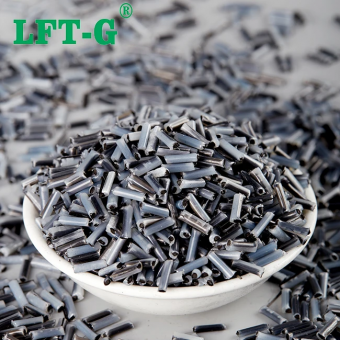
Xiamen LFT hochtemperaturbeständiges Polyphenylensulfid (PPS) gefülltes LangglasfaserpolymerPolyphenylensulfid (PPS) PPS (Polyphenylensulfid) ist ein Hochleistungskunststoff mit metallähnlicher Härte, ausgezeichneter Festigkeit und hervorragender thermischer, chemischer und elektrischer Beständigkeit. Er ist schwer entflammbar (V0), verzugsarm und verschleißfest. Im Vergleich zu Metallen ist PPS leicht und daher ideal für Fahrzeuge, Schiffe und Flugzeuge. PPS vereint hohe Festigkeit mit geringem Gewicht, ausgezeichnete Korrosionsbeständigkeit und hervorragende Isolationseigenschaften selbst unter hohen Temperaturen, hoher Luftfeuchtigkeit und hohen Frequenzen. PPS ist zudem verschleißfest, eignet sich für selbstschmierende Lager, Zahnräder und Dichtungen und ermöglicht im Gegensatz zu Metallen, die mehrere Bearbeitungsschritte erfordern, die einstufige Formgebung. Langglasfaserverbundwerkstoffe Unsere „Center Fill“-LFT-Compounds werden hergestellt, indem Tausende von Glasfaserfilamenten mit geschmolzenem PPS-Harz imprägniert und das resultierende Material anschließend zu Granulat verarbeitet wird. Dieses Verfahren gewährleistet eine gleichmäßige Faserverteilung und hervorragende mechanische Eigenschaften. Deutlich verbesserte Schlagfestigkeit Erhöhte Steifigkeit und Festigkeit Ausgezeichnete Hitzebeständigkeit Verbesserte Kriech- und Verschleißeigenschaften Reduzierte Verformung Verbesserte Eigenschaften von recycelten kristallinen und amorphen Harzen Technische Details Name Ballaststoffgehalt Farbe Länge Mindestbestellmenge TDS FOB-Preis Lieferung Polyphenylensulfid-gefülltes Langglasfaserpolymer 20 %–60 % Naturfarbe / Kundenspezifisch 6-25 mm 25 kg/Sack Kontaktieren Sie uns für TDS. 8,8–11,1 USD/kg Per Schiff oder Flugzeug Unternehmensprofil Xiamen LFT Composite Plastic Co., LTD, gegründet 2009, ist ein weltweit führender Anbieter von langfaserverstärkten thermoplastischen Werkstoffen und vereint Forschung und Entwicklung, Produktion und Vertrieb. Unsere LFT-Produkte sind nach ISO 9001 und IATF 16949 zertifiziert und verfügen über zahlreiche nationale Marken und Patente. Sie werden in den Bereichen Automobil, Luft- und Raumfahrt, Militär, neue Energien, Medizintechnik, Windkraft und Sportartikel eingesetzt. Weitere Materialien, die Sie interessieren könnten PA66-NA-LGF PPA-NA-LCF PA12-NA-LGF
- Polyphenylensulfid-Kunststoff mit außergewöhnlicher mechanischer Festigkeit
- LFT PPS langglasfaserverstärkte thermoplastische Harzpellets
- PPS-Kunststoffgranulat, hochfest, hergestellt in China
- PPS kann als Langfaserfilament individuell angepasst werden.
- Leichtes Kunststoffmaterial ist ein Verkaufsschlager und ersetzt Metall und Stahl.
- Im Maschinenbau wurde der Kunststoff PPS verwendet, der ein gutes Aussehen hat (GFK).
Tags :
-
Xiamen LFT PLA Polymilchsäure-Verbindungen Langglasfaser-Thermoplastisches Harz für technische AnwendungenPLA-Kunststoff PLA (Polymilchsäure) ist ein biobasierter Polyester und aufgrund seiner biologischen Abbaubarkeit, Biokompatibilität und hohen mechanischen Festigkeit einer der vielversprechendsten „grünen Kunststoffe“. PLA-Produkte werden durch Mikroorganismen vollständig zu CO₂ und Wasser abgebaut und sind ungiftig und reizfrei. Mechanisch ist PLA mit Polypropylen vergleichbar, während Glanz, Transparenz und Verarbeitbarkeit Polystyrol ähneln. Dank seiner niedrigeren Verarbeitungstemperatur lässt es sich durch Spritzgießen, Extrusion, Blasformen, Spinnen und andere gängige Kunststoffverarbeitungsverfahren herstellen. PLA findet breite Anwendung in der Einwegkunststoff-, Verpackungs-, Faser-, Vliesstoff-, Chemie-, Medizin-, Pharma- und 3D-Druckindustrie. Es gilt zunehmend als Schlüsselmaterial zur Reduzierung der Plastikverschmutzung. PLA-verstärkter Kunststoff Glasfaser (Fiberglas) ist ein anorganisches Material mit hervorragenden Isolationseigenschaften, Hitzebeständigkeit, Korrosionsbeständigkeit und hoher mechanischer Festigkeit. Es wird häufig zur Verstärkung von Verbundwerkstoffen eingesetzt. Lange Glasfasern sind typischerweise über 10 mm lang. Langglasfaserverstärktes PLA (LGFPLA) enthält 10–25 mm lange Glasfasern, die beim Spritzgießen eine dreidimensionale Struktur bilden. Es gehört zu den langfaserverstärkten Thermoplasten (LFT). Die Pelletgrößen betragen üblicherweise 12 mm (Spritzgießen) oder 25 mm (Pressformen). Der Glasfaseranteil liegt zwischen 20 % und 60 %, und die Farben sind individuell anpassbar. Vorteile von LGF und SGF Im Vergleich zu kurzfaserverstärkten Thermoplasten weist LFT folgende Eigenschaften auf: Längere Faserlänge für überlegene mechanische Eigenschaften Hohe spezifische Steifigkeit und Festigkeit, ausgezeichnete Schlagfestigkeit, ideal für Automobilteile Verbesserte Kriechfestigkeit, Dimensionsstabilität und hohe Präzision beim Formen Ausgezeichnete Ermüdungsbeständigkeit Bessere Stabilität in Umgebungen mit hohen Temperaturen und hoher Luftfeuchtigkeit Minimale Faserbeschädigung beim Formgebungsprozess dank Faserbeweglichkeit Technische Details Nummer Farbe Länge Ballaststoffgehalt Paket Probe Verladehafen Lieferzeit PLA-NA-LGF Natürlich oder individuell gestaltet 6-25 mm 20 %–60 % 25 kg/Sack Verfügbar Hafen von Xiamen 7-15 Tage nach Versand Labor & Fabrik Xiamen LFT Composite Plastic Co., Ltd. Xiamen LFT Composite Plastic Co., Ltd., gegründet von einem erfahrenen Experten der thermoplastischen Verbundwerkstoffindustrie, ist spezialisiert auf die Entwicklung und Produktion von langglas- und kohlenstofffaserverstärkten thermoplastischen Kunststoffen (LFT-G, LFRT, LFT). Unsere Produkte sind leicht, hochfest, schlag- und hitzebeständig, recycelbar und umweltfreundlich. Im Vergleich zu herkömmlichen Materialien bieten sie eine bessere Korrosionsbeständigkeit, geringere Kosten und überlegene Formgebungseigenschaften. Unsere LFT-Serie (LGF & LCF) umfasst PP, PA6, PA66, PPA, PA12, TPU, PBT, PLA, PET, PPS und PEEK. Anwendungsbereiche sind Haushaltsgeräte, Luft- und Raumfahrt, Automobilindustrie, Militärtechnik und Medizintechnik sowie Sportartikel und Alltagsgegenstände. Das Produktsortiment beinhaltet unter anderem Zahnräder, Rollen, Riemenscheiben, Pumpenlaufräder und Lüfterflügel.mehr sehen