Email
Email Deutsch
 English
 français
 русский
 italiano
 español
 português
 العربية
 日本語
日本語 한국의
한국의 中文
中文


Da die globalen Temperaturen weiter steigen, sind Klimaanlagen zu einem unverzichtbaren Bestandteil des Alltags geworden. Die jüngsten Hitzewellen in Europa haben einen starken Anstieg der Nachfrage nach Klimaanlagen ausgelöst und den Fokus verstärkt auf Produktleistung, Langlebigkeit und leisen Betrieb gelegt.
Hinter jeder leistungsstarken Klimaanlage steckt mehr als nur ein effizienter Kompressor oder ein fortschrittliches Steuerungssystem – die Materialauswahl spielt eine entscheidende Rolle. Um der wachsenden Nachfrage nach leichten, geräuscharmen und langlebigen HLK-Systemen gerecht zu werden, ersetzen technische Kunststoffe zunehmend herkömmliche Metallkomponenten in Lüfterrädern, Gebläsegehäusen, Motorhalterungen, Strukturrahmen und anderen wichtigen Teilen.
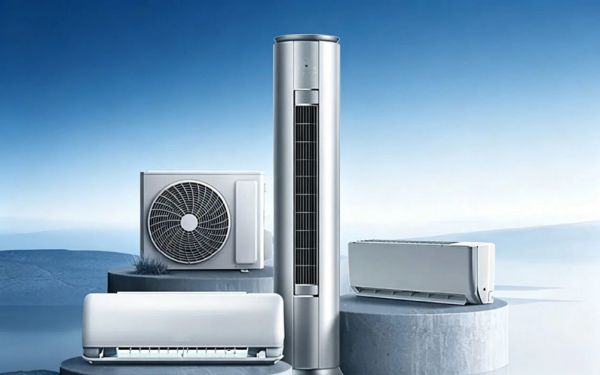
Welche technischen Kunststoffe werden also am häufigsten in Klimaanlagen eingesetzt? Welche Vorteile bietet jedes Material? Und warum werden langglasfaserverstärkte Thermoplaste (LFT) mit hoher Steifigkeit zur bevorzugten Wahl für HLK-Komponenten der nächsten Generation?
In diesem Artikel untersuchen wir die am häufigsten verwendeten technischen Kunststoffe in Klimaanlagen und erklären, wie Hochleistungs-Verbundwerkstoffe dabei helfen, Geräusche und Vibrationen zu reduzieren, die strukturelle Festigkeit zu verbessern und die Gesamteffizienz sowie Zuverlässigkeit moderner Klimaanlagen zu erhöhen.
Herausforderungen bei der Auswahl technischer Kunststoffe für Klimaanlagen
Die Materialauswahl spielt eine entscheidende Rolle bei der Konstruktion und Leistung moderner Klimaanlagen. Neben den Herstellungskosten beeinflusst der richtige technische Kunststoff direkt die Produktlebensdauer, strukturelle Festigkeit, Geräuschpegel und langfristige Zuverlässigkeit. Die Auswahl des optimalen Materials ist jedoch nicht immer einfach. Hersteller von Klimaanlagen stehen typischerweise vor zwei großen Herausforderungen:
1. Komplexe Materialauswahl
Eine große Auswahl an technischen Kunststoffen – darunter PP, ABS, PA, PBT, PPS und langglasfaserverstärkte Thermoplaste (LFT) – bietet unterschiedliche Vorteile hinsichtlich mechanischer Festigkeit, Wärmebeständigkeit, Maßhaltigkeit, Verarbeitbarkeit und Kosten. Die Wahl des am besten geeigneten Materials für jedes Bauteil erfordert eine Abwägung zwischen den Anwendungsanforderungen, der Leistung und dem Budget. Eine ungeeignete Materialwahl kann zu erhöhten Geräuschen und Vibrationen, verkürzter Lebensdauer oder unnötigen Herstellungskosten führen.
2. Ausgleich mehrerer Leistungsanforderungen
Moderne Klimaanlagen benötigen Materialien, die eine hohe Steifigkeit bieten und gleichzeitig eine hervorragende Wärmebeständigkeit, Flammwidrigkeit, Ermüdungsbeständigkeit, Maßhaltigkeit und effiziente Spritzgießeigenschaften aufweisen. Gleichzeitig müssen Hersteller Leichtbaukonstruktionen erreichen, Kosteneffizienz gewährleisten und eine hohe Produktionsleistung sicherstellen. Die richtige Balance zwischen diesen konkurrierenden Anforderungen zu finden, bleibt eine der größten Herausforderungen bei der Materialauswahl für HLK-Systeme.
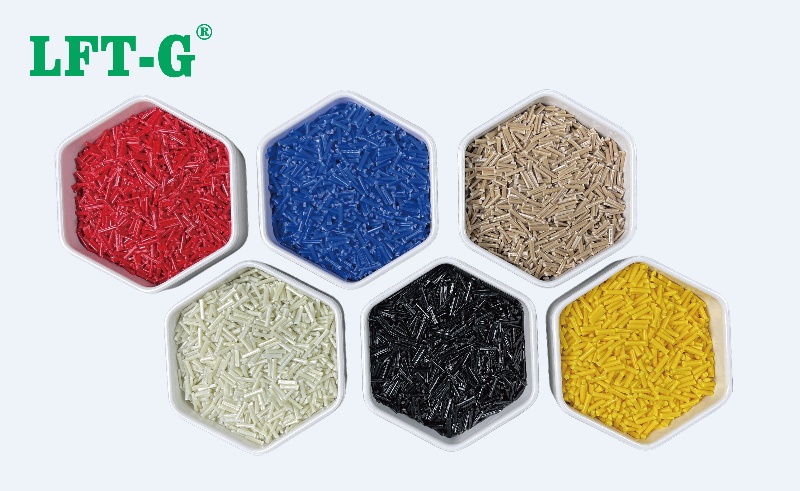
Technische Kunststoffe in Klimaanlagen
01. ABS – Das bevorzugte Material für äußere Komponenten
Typische Anwendungen
ABS wird häufig für sichtbare Außenteile wie Frontblenden, Bedienfelder, dekorative Abdeckungen und andere optische Komponenten verwendet. Diese Teile sind die ersten Elemente, die Verbraucher wahrnehmen, weshalb Aussehen, Oberflächenqualität und Haltbarkeit wichtige Konstruktionsaspekte sind.
Wichtige Vorteile
ABS bietet eine hervorragende Oberflächenqualität mit hohem Glanz und ist daher ideal für hochwertig aussehende Klimaanlagengehäuse. Die ausgezeichnete Lackierbarkeit ermöglicht es Herstellern außerdem, eine breite Palette an Farben, Texturen und dekorativen Effekten für unterschiedliche Produktdesigns umzusetzen.
Darüber hinaus bietet ABS eine hervorragende Schlagzähigkeit, sodass Außenteile täglicher Handhabung, versehentlichen Stößen und langfristiger Nutzung standhalten und dabei ihr Aussehen bewahren. Die gute Verarbeitbarkeit und Kosteneffizienz haben ABS zu einem der am häufigsten eingesetzten technischen Kunststoffe für Außenanwendungen von Klimaanlagen gemacht.
02. PP und modifiziertes PP – Die kosteneffiziente Wahl für funktionale Komponenten
Typische Anwendungen
Polypropylen (PP) wird häufig für nicht tragende Komponenten wie Luftfilter, Kondensatwannen, interne Halterungen und verschiedene Funktionsteile eingesetzt. Obwohl diese Komponenten nicht stark sichtbar sind, spielen sie eine wesentliche Rolle für den zuverlässigen Betrieb des Klimaanlagensystems.
Wichtige Vorteile
PP bietet eine hervorragende Zähigkeit bei niedrigen Temperaturen und eine gute chemische Beständigkeit, wodurch es Feuchtigkeit, Reinigungsmitteln und einer Vielzahl von Betriebsumgebungen standhält. Seine geringe Dichte, einfache Verarbeitbarkeit und wettbewerbsfähigen Kosten machen es zu einem der wirtschaftlichsten technischen Kunststoffe für die Großserienproduktion von Klimaanlagen.
Warum PP modifizieren?
Standard-PP kann durch Glasfaserverstärkung, flammhemmende Additive oder mineralische Füllstoffe weiter verbessert werden, um anspruchsvollere Leistungsanforderungen zu erfüllen. Modifiziertes PP bietet eine deutlich höhere Steifigkeit, verbesserte Maßhaltigkeit, erhöhte Wärmebeständigkeit und bessere flammhemmende Eigenschaften, während die Kostenvorteile von herkömmlichem PP erhalten bleiben. Dadurch ist es zu einem bevorzugten Material für viele strukturelle und funktionale HLK-Komponenten geworden, bei denen Festigkeit, Sicherheit und Kosteneffizienz sorgfältig ausbalanciert werden müssen.
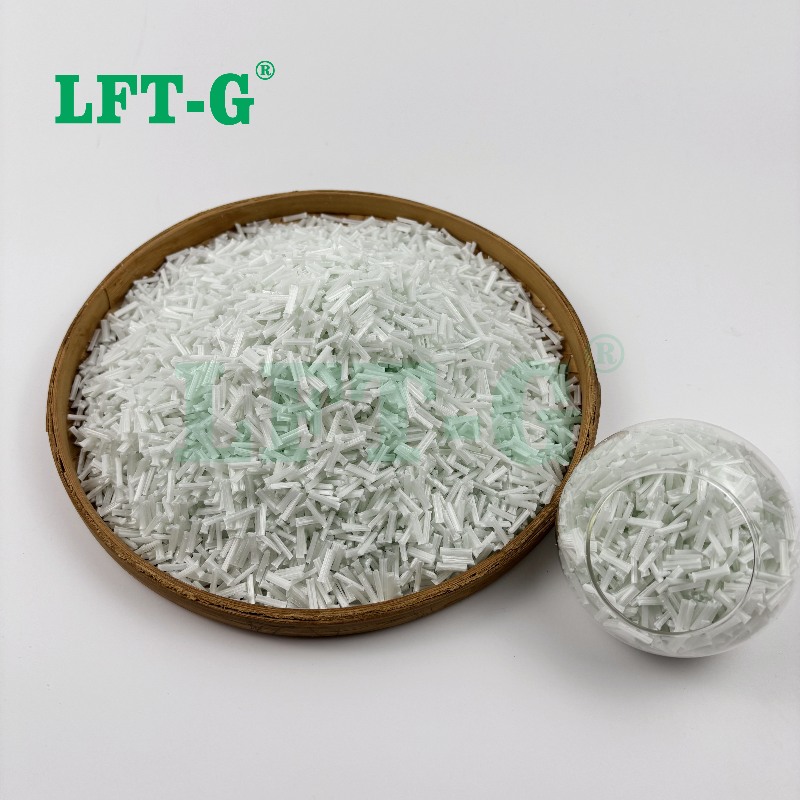
Langglasfaserverstärkter thermoplastischer Kunststoff aus PP (LGF-PP)