neuer Blog
Im April 2026 absolvierte der humanoide Roboter „Lightning“ von Honor in Beijing E-Town den Halbmarathon für humanoide Roboter in nur 50 Minuten und 26 Sekunden und belegte dabei alle sechs ersten Plätze. Doch nach dem Rennen beeindruckte die Ingenieure nicht der KI-Algorithmus oder das Bewegungssteuerungssystem am meisten, sondern ein subtiles Detail, das vielen entgangen war: Nach 21 Kilometern fühlte sich die Außenhülle des Roboters immer noch kühl an, während der Temperaturanstieg in den Gelenkmodulen deutlich unter dem vorgesehenen Grenzwert blieb.
Hinter dieser Leistungsfähigkeit verbirgt sich eine stille, aber tiefgreifende Materialrevolution. Von Metallen und technischen Kunststoffen bis hin zu hochentwickelten Verbundwerkstoffen – jedes Bauteil eines humanoiden Roboters spiegelt ein sorgfältig ausgearbeitetes technisches Gleichgewicht zwischen Festigkeit, Stoßfestigkeit, Dauerfestigkeit, Wärmemanagement, elektromagnetischer Abschirmung und Gewichtsreduzierung wider.
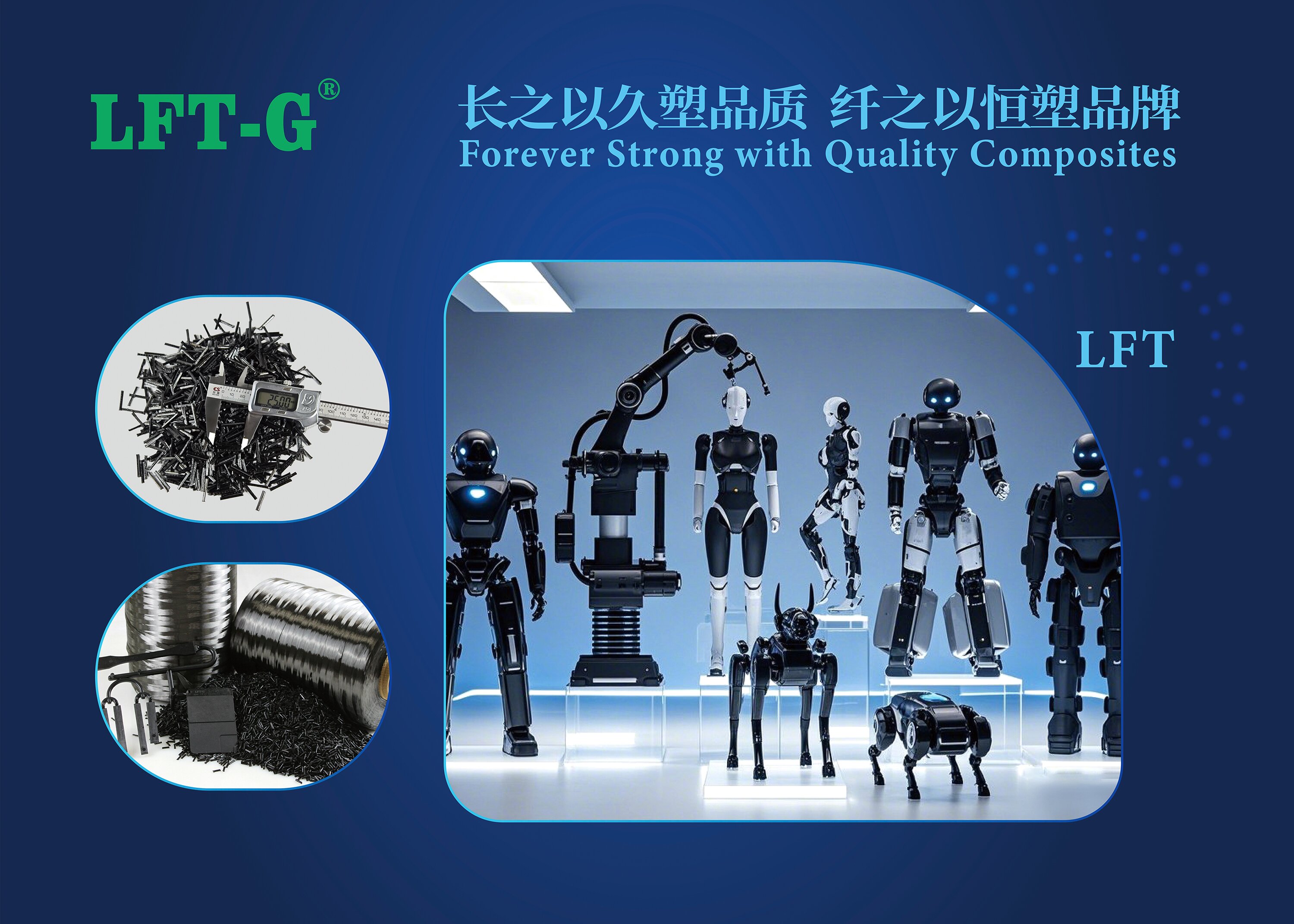
Die Materialauswahl in der Robotik basiert nicht mehr allein auf Intuition. Moderne humanoide Roboter erfordern einen systematischen ingenieurwissenschaftlichen Ansatz, der Leistungsziele, Betriebsbedingungen, Fertigungsbeschränkungen und langfristige Zuverlässigkeit gleichermaßen berücksichtigt.
Von stoßfesten Beinkonstruktionen und präzisen Getriebesystemen bis hin zu leichten Außenhüllen und flexiblen Schutzschichten erfüllt jedes Material innerhalb der Roboterarchitektur einen spezifischen funktionalen Zweck.
Die eigentliche Frage bei der Materialauswahl lautet nicht „Welches Material ist das beste?“, sondern vielmehr „Welches Material erzielt unter diesen spezifischen Betriebsbedingungen die besten Ergebnisse?“
Bei humanoiden Robotern wird das Materialsystem im Allgemeinen in drei Hauptfunktionsschichten unterteilt:
Immer häufiger kombinieren Ingenieure mehrere Materialien innerhalb einer einzigen Roboterplattform:
In Kombination mit Topologieoptimierung und Struktursimulation ist das Ziel einfach: unnötige Masse reduzieren und gleichzeitig Festigkeit, Haltbarkeit und Bewegungseffizienz erhalten.
Die Beinkonstruktion zählt zu den anspruchsvollsten Bereichen im Design humanoider Roboter. Sie muss wiederholten Stoßbelastungen bei der Landung standhalten und gleichzeitig leicht genug sein, um hohe Bewegungsgeschwindigkeiten zu ermöglichen.
Ein geringeres Gewicht verbessert die Mobilität unmittelbar. Bei vielen humanoiden Plattformen kann eine Reduzierung des Gesamtgewichts um 10 kg die Gehgeschwindigkeit deutlich erhöhen und gleichzeitig den Energieverbrauch senken.
Aluminiumlegierungen bleiben aufgrund ihrer ausgewogenen Eigenschaften hinsichtlich Festigkeit, Bearbeitbarkeit, Korrosionsbeständigkeit und Wärmeleitfähigkeit das dominierende Strukturmaterial in humanoiden Robotern.
Die Aluminiumlegierung 7075-T6 findet aufgrund ihrer ausgezeichneten spezifischen Festigkeit und Steifigkeit breite Anwendung in hochbelasteten Bereichen. Im Vergleich zu herkömmlichen Legierungen der 6000er-Serie bieten moderne Werkstoffe des Typs AA7075-T6 eine deutlich höhere Zugfestigkeit bei gleichzeitig reduziertem Gesamtgewicht.
In praktischen Anwendungen:
Magnesiumlegierungen gewinnen zunehmend an Bedeutung, da sie deutlich leichter als Aluminium sind. Ihre extrem geringe Dichte macht sie ideal für aggressive Leichtbaustrategien in Roboterantriebssystemen.
Verbesserungen bei Oberflächenbehandlungstechnologien wie der Mikrolichtbogenoxidation tragen ebenfalls dazu bei, langjährige Korrosionsprobleme im Zusammenhang mit Magnesiumwerkstoffen zu lösen.
In kritischen, lasttragenden Gelenken wie Hüfte und Knie bieten Titanlegierungen ein hervorragendes Gleichgewicht zwischen Festigkeit, Ermüdungsbeständigkeit und Gewichtsreduzierung.
Da additive Fertigungstechnologien immer ausgereifter werden, erweisen sich Titanbauteile zunehmend als praktikabel für komplexe Roboterstrukturen.
Kohlenstofffaserverstärkte Verbundwerkstoffe (CFRP) werden aufgrund ihres außergewöhnlichen Steifigkeits-Gewichts-Verhältnisses heute in großem Umfang in Hochleistungs-Humanoidrobotern eingesetzt.
Führende humanoide Roboterplattformen verwenden bereits Kohlenstofffasermaterialien in Hüllen, Rahmen und Bereichen der strukturellen Verstärkung, um die Beweglichkeit zu verbessern und gleichzeitig das Gesamtgewicht zu reduzieren.
Gelenke bilden den Bewegungskern humanoider Roboter. Ihre Materialsysteme beeinflussen direkt die Positioniergenauigkeit, die Betriebsgeräusche, die Effizienz und die Langzeitstabilität.
Hochfeste legierte Stähle mit Chrom und Molybdän werden häufig in Robotergetrieben eingesetzt, um die Verschleißfestigkeit und die Dauerfestigkeit zu verbessern.
Um sowohl die Oberflächenhärte als auch die innere Zähigkeit zu erhalten und so langfristige Verformungen und Verschleiß zu reduzieren, werden häufig spezielle Wärmebehandlungsverfahren angewendet.
Hochleistungskeramiklager erfreuen sich aufgrund ihrer folgenden Eigenschaften zunehmender Beliebtheit:
PEEK ist einer der wichtigsten leichten technischen Kunststoffe, der heute in humanoiden Robotern eingesetzt wird.
Trotz seiner geringen Dichte weist PEEK eine ausgezeichnete mechanische Festigkeit, Dimensionsstabilität und Verschleißfestigkeit auf und eignet sich daher hervorragend für bewegliche Strukturbauteile und Präzisionsgetriebesysteme.
Thermoplastische Polyurethan-Werkstoffe (TPU) werden zunehmend in Bereichen eingesetzt, in denen Menschen interagieren, da sie sowohl Flexibilität als auch Aufprallschutz bieten.
Ihre hervorragende Abriebfestigkeit, Elastizität und thermische Stabilität machen sie ideal für:
PC/ABS-Werkstoffe werden häufig für die Außenhüllen humanoider Roboter verwendet, da sie ein gutes Gleichgewicht zwischen Aussehen, Zähigkeit, Dimensionsstabilität und Verarbeitbarkeit bieten.
Flexible elektronische Hautsysteme fungieren als sensorische Schicht humanoider Roboter und ermöglichen eine sicherere und reaktionsschnellere Mensch-Maschine-Interaktion.
Diese Systeme verwenden typischerweise flexible Polymersubstrate wie TPU und Polyimid, um ein weiches, menschenähnliches Oberflächenverhalten zu erzielen.
Obwohl sie klein sind, spielen Befestigungselemente eine entscheidende Rolle für die Gesamtzuverlässigkeit des Roboters.
Verbindungselemente aus Titanlegierungen wie Ti-6Al-4V werden zunehmend in High-End-Humanoidrobotern eingesetzt, da sie folgende Eigenschaften vereinen:
Oberflächenbehandlungen werden häufig angewendet, um die Reibung zu verringern und die langfristige Zuverlässigkeit der Montage zu verbessern.
Moderne humanoide Roboter setzen zunehmend auf Multi-Material-Architekturen, die Metalle, Verbundwerkstoffe und technische Kunststoffe in einer einzigen Plattform kombinieren.
Typische Designstrategien umfassen heute:
Dieser integrierte Materialansatz trägt dazu bei, das Gleichgewicht zwischen Leistung, Gewicht, Haltbarkeit, Herstellbarkeit und Kosten zu optimieren.
Als „Lightning“ die Ziellinie in 50 Minuten und 26 Sekunden überquerte, war für diese Leistung weit mehr verantwortlich als nur Software und Bewegungsalgorithmen.
Hinter jeder Bewegung standen sorgfältig ausgewählte Aluminiumkonstruktionen, präzisionswärmebehandelte Zahnräder, leichte Verbundwerkstoffe und wiederholt geprüfte Schutzpolymere.
Das ultimative Ziel der Materialtechnik ist nicht die Suche nach einem einzigen „perfekten Material“, sondern der Aufbau eines Systems, das unter realen Betriebsbedingungen vorhersagbar, überprüfbar, langlebig und skalierbar ist.
Das ist die wahre Grundlage der Robotik der nächsten Generation – und der Weg von experimentellen Prototypen zur industriellen Großproduktion.
Folge uns :


-- Updates mit den neuesten Themen erhalten

 Email
Email Deutsch
 English
 français
 русский
 italiano
 español
 português
 العربية
 日本語
日本語 한국의
한국의 中文
中文