neuer Blog
In der heutigen Industriewelt haben sich Kunststoffe weit über die Definition einfacher synthetischer Materialien hinaus entwickelt. Sie sind zu einem wesentlichen Bestandteil des modernen Lebens geworden und unterstützen alles, vonKonsumgüternundTransportbis hin zuElektronikundGesundheitswesen. Ob Verbraucher Lebensmittelverpackungen in Supermarktregalen betrachten, Innenraumkomponenten von Fahrzeugen in einem Ausstellungsraum berühren oder elektronische Geräte in den Händen halten – sie interagieren nicht mit einem einzigen Material, sondern mittechnisch entwickelten Kunststoffendie sorgfältig für spezifische Leistungsanforderungen optimiert wurden.
Unter diesen Materialien stellen modifizierte Kunststoffe die nächste Stufe in der Entwicklung der Polymertechnik dar. Anstatt sich ausschließlich auf die inhärenten Eigenschaften von Neuwareharzen zu verlassen, verbessern Materialwissenschaftler Kunststoffe durchVerstärkungen, Füllstoffe, Additive und fortschrittliche Compoundierungstechnologien,wodurch sie von lediglich nutzbaren Materialien zu Materialien werden, die präzise für ihre vorgesehenen Anwendungen entwickelt wurden.
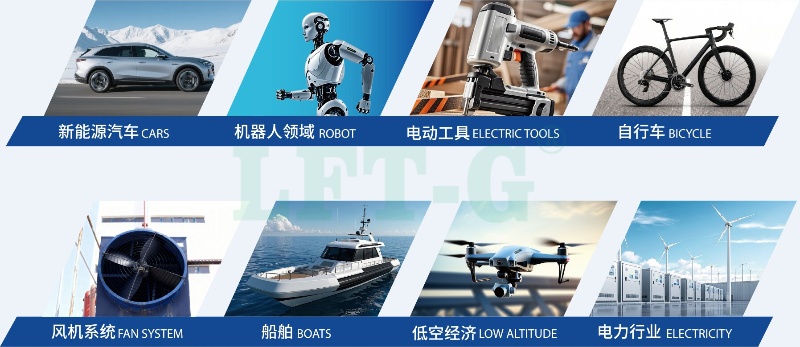
Leistungsunterschiede zwischen modifizierten Kunststoffen und Neuwarekunststoffen
Die Leistungsgrenzen von Neuwarekunststoffen überwinden
Die Leistung von Neuwarekunststoffen wird hauptsächlich durch die chemische Struktur des Basisharzes bestimmt. Gängige Polymere wiePolyethylen (PE), Polypropylen (PP) und Polyvinylchlorid (PVC)weisen eine relativ einheitliche Molekulargewichtsverteilung, Kristallinität und Verzweigungsstruktur auf. Während diese Konsistenz eine kosteneffiziente Massenproduktion unterstützt, begrenzt sie auch den Bereich der erreichbaren Materialeigenschaften.
Wenn die inhärenten Eigenschaften eines einzelnen Harzes für anspruchsvolle Anwendungen nicht ausreichen, steigt die Wahrscheinlichkeit eines Materialversagens. Komponenten können unter schwierigen Betriebsbedingungen unterunzureichender mechanischer Festigkeit, geringer Wärmebeständigkeit, begrenzter Maßstabilität oder unzureichender chemischer Beständigkeitleiden.
Modifizierte Kunststoffe überwinden diese Einschränkungen durch die Einbindung von Verstärkungsfasern, mineralischen Füllstoffen und funktionellen Additiven, um Hochleistungsverbundwerkstoffe zu schaffen. Beispielsweise verbessertdie Zugabe von Glasfasern oder Kohlenstofffaserndie Zugfestigkeit, Steifigkeit und Ermüdungsbeständigkeit durch die synergistische Wechselwirkung zwischen der Verstärkung und der Polymermatrix erheblich.
Gemäß der Theorie der Verbundwerkstoffe bestimmen Faktoren wie Fasergehalt, Seitenverhältnis, Ausrichtung und Grenzflächenhaftung gemeinsam die endgültige Leistungsfähigkeit des Materials. Diese technische Synergie ermöglicht es modifizierten Kunststoffen, die Leistungsgrenzen von Neuwareharzen zu überschreiten und die Anforderungen anspruchsvoller industrieller Anwendungen zu erfüllen.
Verbesserte Stabilität und langfristige Haltbarkeit
Mit der Zeit erfahren alle Kunststoffmaterialien einen gewissen Leistungsabbau, wenn sieHitze, ultravioletter (UV-)Strahlung, Feuchtigkeit, Chemikalien und anderen Umweltfaktorenausgesetzt sind. Neuwarekunststoffe sind anfälliger fürAlterung, Rissbildung, Verformung und Versprödungda diese Veränderungen eng mit den intrinsischen Eigenschaften des Polymers zusammenhängen, einschließlich der Beweglichkeit der Molekülketten, der Kristallinität und der chemischen Struktur. Beispielsweise wird Polystyrol (PS) bei niedrigen Temperaturen aufgrund seiner begrenzten molekularen Flexibilität spröde.
Modifizierte Kunststoffe werden speziell entwickelt, um dielangfristige Zuverlässigkeit zu verbessern. Durch dieEinbindung von Antioxidantien, UV-Stabilisatoren, Wärmestabilisatoren und witterungsbeständigen Additivenkönnen Hersteller den Alterungsprozess erheblich verlangsamen und die Produktlebensdauer verlängern.
Darüber hinausreduzieren mineralische Füllstoffe wie Calciumcarbonat und Talkum nicht nur die Materialkostensondern auchphysische Barrieren schaffendie das Eindringen von Sauerstoff und Feuchtigkeit begrenzen und dadurch die Haltbarkeit und Maßstabilität verbessern. Polymer-Mischtechnologien steigern die Leistung weiter, indem sie die Stärken verschiedener Harze kombinieren, wodurch technisch entwickelte Kunststofflegierungen entstehen, die ein optimiertes Gleichgewicht zwischen mechanischen Eigenschaften, thermischer Stabilität und Umweltbeständigkeit bieten.
Anwendungsspezifische Materialauswahl in modernen Industrien
Leichtbau im Automobilbereich mit modifizierten Kunststoffen vorantreiben
Die Automobilindustrie stellt außergewöhnlich hohe Anforderungen an die Materialleistung. Strukturkomponentenerfordernhervorragende Festigkeit und Steifigkeit,Innen- und Außenteilemüssen bietenhervorragende Verarbeitbarkeit und Witterungsbeständigkeit, währendelektrische und elektronische Systemeangewiesen sind aufüberlegene Flammwidrigkeit, elektrische Isolierung und Maßstabilität. Diese vielfältigen Leistungsanforderungen haben modifizierte Kunststoffe zu einem unverzichtbaren Material in der modernen Fahrzeugherstellung gemacht.
Da die Verbreitung von Elektrofahrzeugen weiter zunimmt, ist die Bedeutung vonLeichtbaumaterialiendeutlich gewachsen.Die Reduzierung des Fahrzeuggewichts hilft, die Energieeffizienz zu verbessern, die Reichweite zu erhöhen und die Gesamtemissionen zu senken, ohne die Sicherheit oder Leistung zu beeinträchtigen.Daher nimmt die Menge an modifizierten Kunststoffen in jedem Fahrzeug weiter zu,wobei traditionelle Metallkomponenten ersetzt werdenin einer wachsenden Anzahl von Anwendungen.
Glasfaserverstärktes Polyamid (PA) wird aufgrund seines ausgezeichneten Gleichgewichts ausLeichtbauweise, hoher mechanischer Festigkeit und langfristiger Ermüdungsbeständigkeitweit verbreitet in Strukturkomponenten eingesetzt. Durch optimierten Fasergehalt und Faserorientierung können diese Materialien das Komponentengewicht um mehr als30%reduzieren und gleichzeitig eine mit Metall vergleichbare Haltbarkeit bewahren.
Für Anwendungen unter der Motorhaube bietet hitzebeständiges modifiziertesPolypropylen (PP)durch die Zugabe von mineralischen Füllstoffen und thermischen Stabilisatoren eine zuverlässige Langzeitleistung bei erhöhten Temperaturen. In Elektrofahrzeugen werden flammhemmendePC/ABS-Legierungenhäufig für Batteriegehäuse und elektrische Komponenten eingesetzt und bieten eine ausgezeichnete Flammwidrigkeit, elektrische Isolierung und Maßstabilität zur Verbesserung der Fahrzeugsicherheit.
Diese Anwendungen zeigen den größten Vorteil modifizierter Kunststoffe: die Fähigkeit, Materialeigenschaften für spezifische Leistungsanforderungen zu entwickeln und gleichzeitigein optimales Gleichgewicht zwischen Gewicht, Haltbarkeit, Herstellbarkeit und Kosten zu erreichen.
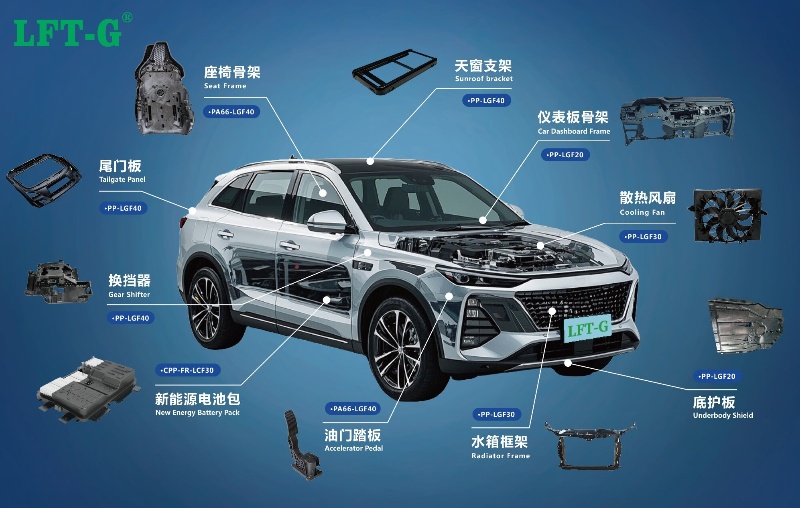
Anwendungsspezifische Materialauswahl in modernen Industrien
Die Präzisionsanforderungen von Elektronik- und Elektrogeräten erfüllen
Da sich elektronische Produkte weiterhin in Richtung Miniaturisierung, höherer Integration und größerer Leistungsdichte entwickeln, benötigen Hersteller Materialien mithervorragende dielektrische Eigenschaften, Flammwidrigkeit und Maßhaltigkeit. Der weitverbreitete Einsatz modifizierter Kunststoffe in der Elektronikindustrie ist das Ergebnis präziser Ingenieursarbeit auf mikroskopischer Ebene, wodurch Polymere immer anspruchsvollere Leistungsstandards erfüllen können.
Für Präzisionskomponenten wie Steckverbinder, Buchsen und Schaltergehäuse behält modifiziertes Polybutylenterephthalat (PBT) mit geringer Feuchtigkeitsaufnahme enge Maßtoleranzen bei und minimiert durch Feuchtigkeit verursachte Verformungen. Dies gewährleistet eine zuverlässige Montage und eine langfristige Leistungsfähigkeit in hochintegrierten elektronischen Geräten.
Die flammhemmende Modifizierung ist ebenso entscheidend für die elektrische Sicherheit. Durch die Zugabe halogenierter oder halogenfreier Flammschutzmittel sowie intumeszierender Flammschutzsysteme können modifizierte Kunststoffe bei Feuerbelastung eine schützende Kohleschicht bilden. Diese Barriere verlangsamt effektiv die Wärmeübertragung und begrenzt die Sauerstoffzufuhr, wodurch die Flammenausbreitung deutlich reduziert wird. Das Erreichen dieses Leistungsniveaus erfordert eine sorgfältige Optimierung der Additivverträglichkeit, der Dispersion und der synergistischen Wechselwirkungen innerhalb der Polymermatrix, anstatt lediglich Flammschutzchemikalien hinzuzufügen.
Kosten und Leistung bei Konsumprodukten ausbalancieren
Bei Unterhaltungselektronik und Haushaltsgeräten müssen Hersteller sorgfältig Materialleistung und Produktionskosten ausbalancieren. Modifizierte Kunststoffe bieten eine effektive Lösung, indem sie Füll-, Misch- und Verstärkungstechnologien kombinieren, um Materialkosten zu senken und gleichzeitig die für den täglichen Gebrauch erforderlichen mechanischen Eigenschaften beizubehalten.
Zum Beispiel wird mit Calciumcarbonat gefülltes Polypropylen (PP) häufig in Kühlschranktürverkleidungen und anderen Komponenten von Haushaltsgeräten eingesetzt. Der mineralische Füllstoff kann die Rohmaterialkosten erheblich senken und gleichzeitig eine ausreichende Festigkeit, Steifigkeit und langfristige Haltbarkeit für die vorgesehene Anwendung gewährleisten.
Diese Kostenoptimierung wird durch anwendungsorientierte Materialentwicklung erreicht, ohne die Qualität zu opfern. Im Gegensatz zu strukturellen Komponenten in Fahrzeugen sind Teile von Haushaltsgeräten im Allgemeinen geringeren mechanischen Belastungen ausgesetzt, stehen jedoch stärkerem Kostendruck gegenüber. Durch die Anpassung der Materialformulierung an die tatsächliche Einsatzumgebung liefern modifizierte Kunststoffe die optimale Balance aus Leistung, Herstellbarkeit und Wirtschaftlichkeit und sind damit eine ideale Wahl für in großen Stückzahlen gefertigte Konsumprodukte.
Die Wahl des richtigen Materials: Leistung, Kosten und Nachhaltigkeit ausbalancieren
Für Einkaufsmanager und Produktdesigner erfordert das Verständnis des Werts modifizierter Kunststoffe keine tiefgehenden Kenntnisse der Polymerwissenschaft. Stattdessen besteht der Schlüssel darin, Materialien anhand der spezifischen Anforderungen der vorgesehenen Anwendung zu bewerten, anstatt anzunehmen, dass modifizierte Kunststoffe immer die hochwertige oder überlegene Wahl sind.
Ein praktischer Rahmen für die Materialauswahl berücksichtigt drei Kernfaktoren: Leistung, Kosten und Umweltanforderungen. Das optimale Material ist dasjenige, das die erforderliche Funktionalität zu den niedrigsten Gesamtkosten über den Lebenszyklus liefert.
Für langlebige Produkte wie Automobile, Haushaltsgeräte und Industrieanlagen sind langfristige mechanische Leistungsfähigkeit und Zuverlässigkeit oft wichtiger als der anfängliche Kaufpreis. Bei diesen Anwendungen bieten Materialien mit Verstärkung, flammhemmenden Eigenschaften, erhöhter Wärmebeständigkeit oder verbesserter Witterungsbeständigkeit einen größeren langfristigen Wert, indem sie die Produktlebensdauer verlängern und Wartungs- oder Ersatzkosten reduzieren.
Bei Einwegprodukten wie Verpackungsmaterialien steht hingegen in der Regel die Kosteneffizienz im Vordergrund. In diesen Fällen können Füllstoffmodifizierungstechnologien mit mineralischen Füllstoffen die Rohmaterialkosten wirksam senken und gleichzeitig die für den vorgesehenen Gebrauch des Produkts erforderliche Grundfunktionalität erhalten.
Letztendlich wird die beste Materialwahl nicht dadurch bestimmt, ob ein Kunststoff modifiziert oder unmodifiziert ist, sondern durch wie gut seine Leistungsfähigkeit mit den funktionalen Anforderungen der Anwendung übereinstimmt. Durch die Auswahl von Materialien entsprechend den tatsächlichen Betriebsbedingungen können Hersteller die optimale Balance zwischen Leistung, Fertigungseffizienz, Kosteneffektivität und Nachhaltigkeit erreichen.
Folge uns :


-- Updates mit den neuesten Themen erhalten

 Email
Email Deutsch
 English
 français
 русский
 italiano
 español
 português
 العربية
 日本語
日本語 한국의
한국의 中文
中文