neuer Blog
Beim Aufbringen einer Beschichtung auf eine Oberfläche können verschiedene Probleme oder Zustände auftreten. Auch wenn diese zum Zeitpunkt des Aufbringens nicht offensichtlich sind, können sie später während der Nutzungsdauer der Beschichtung zu Problemen führen. Vorzeitige Korrosion des Untergrunds wird häufig durch Beschichtungsfehler verursacht. Eine Ursache hierfür sind Defekte in der fertigen Beschichtung.
Zu den wichtigsten Fehlertypen gehören:
Aufgrund der Schwerkraft kann sich die Beschichtung während des Trocknungsprozesses ungleichmäßig verteilen. Auf vertikalen Flächen ähnelt sie Wassertropfen, die an kaltem Glas herablaufen; auf flachen Flächen sieht sie aus wie nach unten fließende Ströme erstarrter Flüssigkeit. Die Beschichtung fließt unter dem Einfluss der Schwerkraft nach unten und hinterlässt eine dünnere Trockenfilmschicht.
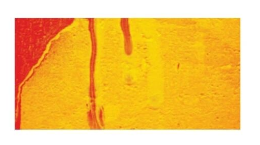
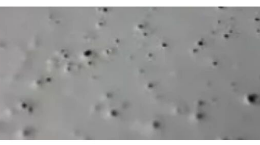
Kraterbildung entsteht, wenn Blasen auf der Beschichtungsoberfläche platzen und die Beschichtung nicht zurückfließt, um die Hohlräume zu füllen. Dadurch entstehen kleine Löcher oder Vertiefungen in der Lackoberfläche, ähnlich wie Vulkankrater. Ihre Größe kann von winzigen Löchern bis zu einem Durchmesser von 1 cm reichen. Größere Krater treten meist einzeln auf, während kleinere Krater oft dicht beieinander liegen. Im Zentrum der Krater sind häufig kleine Verunreinigungen zu sehen.
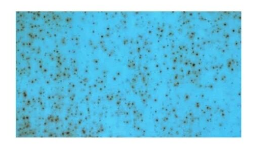
Bei feuchtem Untergrund oder unzureichenden Fließeigenschaften der Beschichtung können sich Hohlräume in der Beschichtungsschicht bilden. Dieser Defekt entsteht hauptsächlich durch Verunreinigungen im noch feuchten Film. Manche Bindemittel neigen bei Verunreinigungen eher zur Hohlraumbildung. Dies steht vermutlich im Zusammenhang mit Veränderungen der Oberflächenspannung. Die Hohlräume entstehen, bevor die Beschichtung vollständig ausgehärtet ist. Hohlräume stellen potenzielle Schwachstellen der Beschichtung dar.
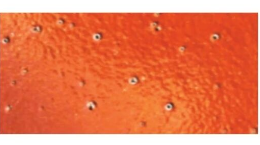
Unzureichende Beschichtung bezeichnet Bereiche, in denen keine Beschichtung vorhanden ist oder in denen die Beschichtung von den Rändern des Substrats oder der Schweißnähte abgeflossen ist. Auf rauen Oberflächen können durch eine unzureichende Beschichtung auch scharfe Kanten freigelegt werden.
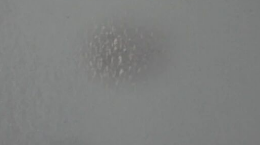
Erscheinungsbild des Defekts: Winzige Löcher, etwa so groß wie die Spitze einer Nähnadel, sind über die Beschichtungsoberfläche verstreut. Staubpartikel oder Verunreinigungen, die während des Beschichtungsprozesses eingebracht wurden, können auf der Lackfilmoberfläche zurückbleiben und zu einer unebenen Beschichtungsoberfläche mit unregelmäßigen Schichten und ungleichmäßig verteilten, erhabenen Partikeln führen.
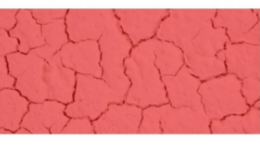
Wird die Beschichtung zu dick aufgetragen, können die während des Aushärtungsprozesses entstehenden inneren Spannungen zu Rissen führen.
Folge uns :


-- Updates mit den neuesten Themen erhalten

 Email
Email Deutsch
 English
 français
 русский
 italiano
 español
 português
 العربية
 日本語
日本語 한국의
한국의 中文
中文