Email
Email Deutsch
 English
 français
 русский
 italiano
 español
 português
 العربية
 日本語
日本語 한국의
한국의 中文
中文


-
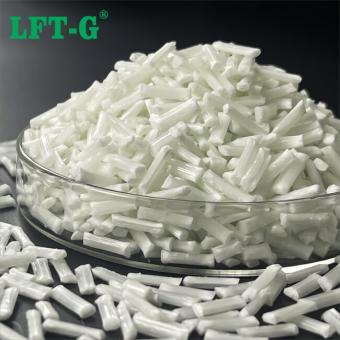
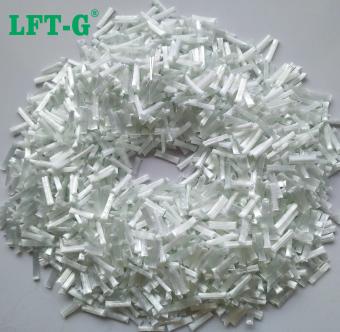
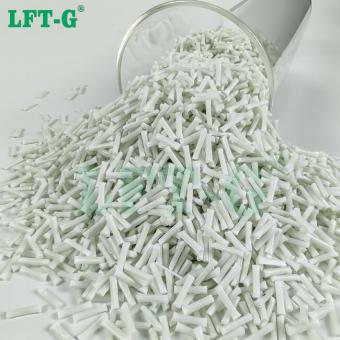
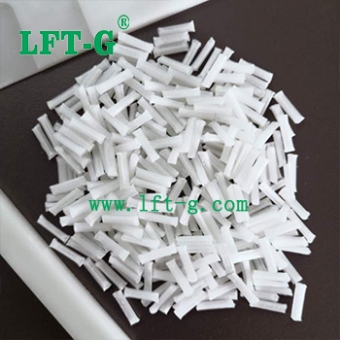
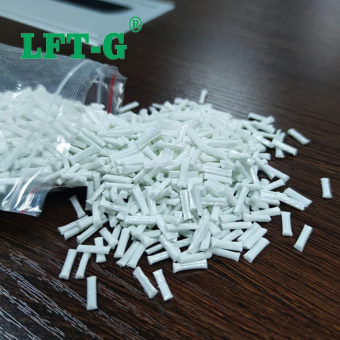
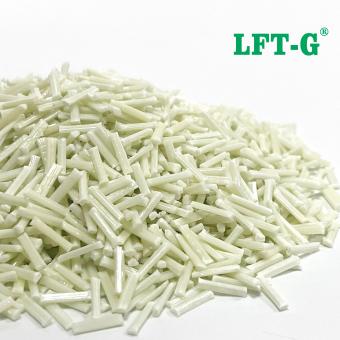
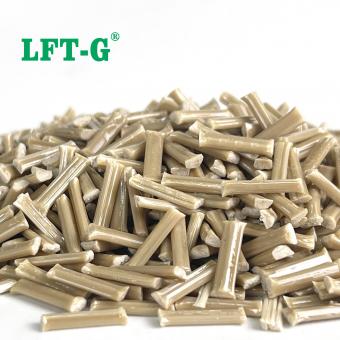
Mit HDPE gefüllte, durch lange Glasfasern verstärkte thermoplastische CompoundsHochdichtes Polyethylen (HDPE), auch Polyethylen hoher Dichte (PEHD) genannt, ist ein thermoplastisches Polymer, das aus dem Monomer Ethylen hergestellt wird. Bei der Verwendung für HDPE-Rohre wird es manchmal als "alkathene" oder "polythene" bezeichnet. Mit einem hohen Verhältnis von Festigkeit zu Dichte wird Hochdichtes Polyethylen (HDPE) zur Herstellung korrosionsbeständiger Rohrleitungen verwendet. Darüber hinaus wird HDPE häufig recycelt.
- HDPE-Füllung LGF20
- LGF-HDPE-Verbundwerkstoffe
- verstärktes HDPE-Kunststoffharz
- Langglasfaser-HDPE
- Thermoplastisches HDPE-LGF
- HDPE-Harzverbindungen
Tags :
-
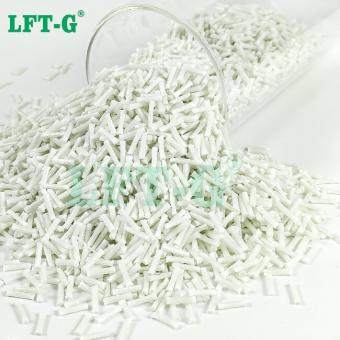
Mit langen Glasfasern verstärkte Verbundwerkstoffe, Copolymer der PA-6-SerieMit einem erfahrenen technischen Team in der Branche bieten wirhochwertige Nylon-6-Langglasfaser-Verbundwerkstoffeum Kunden zu helfen die Produktleistung zu verbessern und die Produktionskosten zu optimieren.
- PA6-Glasfaser
- langglasfaserverstärkter Thermoplast
- PA6-Kunststoffmaterial
- Polyamid 6 LGF
- kundenspezifische gefärbte Nylon-PA6-Versorgung
Tags :
-
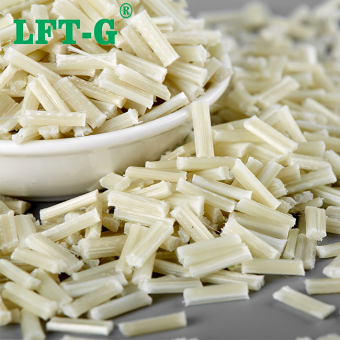
Hochschlagzähe Copo-PP-Polymerpellets mit langen GlasfasernKombiniert die Flexibilität von Polypropylen und die Eigenschaften von Glasfaser erhöht das PP-GF-Verbundmaterial die Leistung und bringt Zuverlässigkeit auf den Markt.
- PP-Copo
- Verwendungen von Copolymeren
- Entflammbarkeitseigenschaften
- leichtgewichtiger Verbundwerkstoff
- Preis für glasfaserverstärktes Polymer pro kg
- Lieferant für PP-Kunststoffspritzguss
Tags :
-
Mit langen Glasfasern verstärkte Verbundwerkstoffe, ABS-Serien-CopolymerABS-Spritzgießen bezeichnet den Prozess, bei dem geschmolzener ABS-Kunststoff unter hohem Druck und hohen Temperaturen in eine Form eingespritzt wird. Es gibt viele Anwendungen für das ABS-Spritzgießen, da es sich um einen weit verbreiteten Kunststoff handelt und in der Automobil-, Konsumgüter- und Bauindustrieum nur einige zu nennen.
- LFT-G
- ABS-Bedeutung Material
- ABS Glasfaser
- Hersteller von ABS-Granulat
- Preis für Kunststoffgranulat pro kg
- elektronische Kunststoffe
Tags :
-
PP-verstärkte Langglasfaser mit hohen mechanischen EigenschaftenEinführung in langglasfaserverstärktes Homopolymer-PP Langglasfaserverstärktes Homopolymer-Polypropylen (PP-H LGF) ist ein leistungsstarker thermoplastischer Verbundwerkstoff, der entwickelt wurde, um eine ausgezeichnete Steifigkeit, verbesserte Schlagzähigkeit und Kosteneffizienz zu bieten und gleichzeitig die Leichtbauweise von Polypropylen beizubehalten. Zusammensetzung und Struktur PP-H LGF besteht aus einer Homopolymer-Polypropylen-Matrix, die mit langen Glasfasern verstärkt ist und dadurch eine effektive Spannungsübertragung sowie eine deutlich verbesserte mechanische Leistung im Vergleich zu kurzfaser- oder mineralgefülltem PP ermöglicht. Hauptmerkmale Hohe Steifigkeit und Festigkeit Ausgezeichnetes Kosten-Leistungs-Verhältnis Leichtbaumaterial Verbesserte Schlagfestigkeit (im Vergleich zu kurzfaserverstärktem PP) Gute Maßstabilität Ausgezeichnete Verarbeitbarkeit (Spritzgießen) Typische Anwendungen Innenraum- und Strukturteile für die Automobilindustrie Gehäuse für Geräte Komponenten für Industrieausrüstung Gehäuse für Elektrowerkzeuge Paletten und Logistikkomponenten Unser Arbeitsprozess Kommunikation der Kundenanforderungen Materialauswahl und technische Empfehlung Probenvorbereitung und COA-Unterstützung Auftragsbestätigung und Lieferung Technische Unterstützung bei der Verarbeitung Technisches Datenblatt (PP-H LGF40%) Eigenschaft Einheit Wert Zugfestigkeit MPa 135 Zugmodul GPa 8945 Biegefestigkeit MPa 189 Wärmeformbeständigkeitstemperatur °C 159 Dichte g/cm³ 1.21 FAQ Was ist PP-H LGF? Es handelt sich um ein Homopolymer-Polypropylen, das mit langen Glasfasern verstärkt ist, um die mechanische Festigkeit und Steifigkeit zu verbessern. Was sind die Vorteile von PP-LGF? Es bietet ein ausgewogenes Verhältnis von Kosten, geringem Gewicht und verbesserter mechanischer Leistung gegenüber herkömmlichem PP. Wofür wird PP-H LGF verwendet? Es wird häufig in der Automobilindustrie, bei Haushaltsgeräten, für Industrieteile und in Logistikanwendungen eingesetzt. Kann PP-LGF Metall ersetzen? In vielen strukturellen Anwendungen kann es aufgrund seines hohen Steifigkeits-Gewichts-Verhältnisses Metall ersetzen. Ist PP-H LGF für den Spritzguss geeignet? Ja, es wurde speziell für den Spritzguss von Strukturbauteilen entwickelt. Benötigen Sie technische Unterstützung für PP-H-LGF-Materialien? Kontaktieren Sie unser Engineering-Team für Unterstützung bei der Materialauswahl, Verarbeitungsempfehlungen und technische Datenblätter. Kontakt Über LFT-G Xiamen LFT Composite Plastic Co., Ltd. ist ein globaler Hersteller von langfaserverstärkten Thermoplasten (LFT) und bietet PP, PA6, PA66, PPA, PPS, TPU und andere technische Kunststoffe an, die mit langen Glas- oder Kohlenstofffasern verstärkt sind. Unsere Produkte werden häufig in der Automobilindustrie, in elektrischen Anwendungen, in der Industrie und in neuen Energieanwendungen eingesetzt.
- LFT-G-Homopolymer-Kunststoff PP
- Spritzgegossenes PP LGF in Naturfarbe
- Modifizierter Polypropylen-Verbundkunststoff
- PP GF30 Preis für elektrische Steckverbinder
- PP-Pellets LGF 30 Polymer
- PP-Autoteile werkseitig hergestellt
Tags :
-
Polyamid-12-GlasfasergranulatEinführung in langglasfaserverstärktes PA12 Langglasfaserverstärktes PA12 (Polyamid 12) ist ein leistungsstarker technischer Thermoplast-Verbundwerkstoff, der hervorragende Zähigkeit, geringe Feuchtigkeitsaufnahme und eine Verstärkung mit langen Glasfasern kombiniert, um eine überlegene mechanische Festigkeit und Dimensionsstabilität zu gewährleisten. Zusammensetzung und Struktur PA12-LGF besteht aus einer PA12-Matrix, die mit langen Glasfasern verstärkt ist und dadurch eine hervorragende Schlagzähigkeit, Ermüdungsfestigkeit und langfristige Stabilität auch unter rauen Umgebungsbedingungen bietet. Hauptmerkmale Hervorragende Schlagzähigkeit Geringe Feuchtigkeitsaufnahme Hohe Festigkeit und Steifigkeit Hervorragende Dimensionsstabilität Gute chemische Beständigkeit Leichter technischer Werkstoff Typische Anwendungen Strukturbauteile für die Automobilindustrie Gehäuse für elektrische und elektronische Anwendungen Teile für Industrieanlagen Komponenten für Fluidsysteme (beständig gegen Feuchtigkeit und Chemikalien) Unser Arbeitsprozess Kommunikation der Kundenanforderungen Materialauswahl und technische Empfehlung Probenvorbereitung und COA-Unterstützung Auftragsbestätigung und Lieferung Technische Nachbetreuung und Unterstützung bei der Verarbeitung Technisches Datenblatt (PA12-LGF40%) Eigenschaft Einheit Wert Zugfestigkeit MPa 260 Zugmodul GPa 15080 Biegefestigkeit MPa 430 Wärmeformbeständigkeitstemperatur °C 260 Dichte g/cm³ 1.22 FAQ Was ist langglasfaserverstärktes PA12? Es handelt sich um einen Hochleistungsverbundwerkstoff, der PA12-Harz mit Langglasfasern kombiniert, um die mechanischen Eigenschaften und die Maßhaltigkeit zu verbessern. Welche Vorteile bietet PA12-LGF? Es bietet eine geringe Feuchtigkeitsaufnahme, hohe Zähigkeit und eine ausgezeichnete Maßstabilität im Vergleich zu anderen Polyamiden. Für welche Anwendungen wird PA12-LGF verwendet? Es wird häufig in Anwendungen der Automobilindustrie, Elektrotechnik, Industrie und Fluidtechnik eingesetzt. Kann PA12-LGF Metall ersetzen? Ja, bei vielen strukturellen Anwendungen kann es Metall aufgrund seines hohen Festigkeits-Gewichts-Verhältnisses und seiner Korrosionsbeständigkeit ersetzen. Ist PA12-LGF für den Spritzguss geeignet? Ja, es ist vollständig für den Spritzguss komplexer technischer Bauteile geeignet. Benötigen Sie technische Unterstützung für PA12-LGF-Materialien? Kontaktieren Sie unser Ingenieurteam für Beratung bei der Materialauswahl, Verarbeitungsempfehlungen und Unterstützung bei technischer Dokumentation. Kontakt Über LFT-G Xiamen LFT Composite Plastic Co., Ltd., gegründet im Jahr 2009, ist ein globaler Anbieter von langfaserverstärkten thermoplastischen (LFT) Materialien und vereint Forschung und Entwicklung, Produktion und Vertrieb. Unsere Produkte sind nach ISO 9001 und IATF 16949 Standards zertifiziert und werden umfassend in Automobilindustrie, Luft- und Raumfahrt, neue Energien, Medizintechnik, Windkraft, Sportausrüstung und anderen industriellen Anwendungen eingesetzt.
- Was ist Glasfaser
- PA12 glasgefüllt
- Materialeigenschaften von glasgefülltem Nylon
- Modifizierte Kunststoffpellets
- LFT-Kunststoff
- Polyamid 12 mit 40 % Glasfaser
Tags :
-
LFT-Polymilchsäure PLA mit Füllstoff und Verstärkung durch lange GlasfasernPLA wird oft als biologisch abbaubar angesehen.
- Eigenschaften von langglasfaserverstärktem PLA
- PLA mit Festigkeit und Haltbarkeit durch Langglasfasern
- Anwendungen von PLA-Verbundwerkstoffen mit Langglasfasern
- Hochleistungsfähige PLA-Materialien mit langen Glasfasern
- Langglasfaser-PLA vs. Kurzfaser-PLA
- Herstellungsprozess von Langglasfaser-PLA
Tags :
-
LFT-G PPA-verstärkte Materialien mit langen Glasfaserpellets als Füllstoff für AutoteilePPA-Kunststoff PPA wird durch die Polykondensation von aliphatischen Diaminen oder aromatischen Diaminen mit Benzolringen hergestellt. Im Vergleich zu aliphatischen Polyamiden verbessert die Einführung starrer Benzolringe in die Molekülkette die mechanische Festigkeit und Wärmebeständigkeit deutlich, während die Wasseraufnahme reduziert wird. Im Vergleich zu vollständig aromatischen Polyamiden enthalten teil-aromatische Polyamide flexible aliphatische Segmente, was zu niedrigeren Schmelzpunkten und einer verbesserten Verarbeitbarkeit führt. Dank seiner ausgewogenen Eigenschaften ist PPA zu einem der wichtigsten Spezialkunststoffe geworden und wird häufig in der Elektronik, bei elektrischen Komponenten und in der Automobilindustrie eingesetzt. PPA gefüllt mit Langglasfaser-Verbundwerkstoffen Glasfaserverstärkte PPA-Verbundwerkstoffe gelten aufgrund ihrer Hochtemperaturbeständigkeit, hohen Festigkeit und geringen Dichte als eines der besten Materialien für den Metallersatz. Langglasfaserverstärktes PPA weist im Vergleich zu kurzglasfaserverstärkten Materialien deutlich bessere mechanische Eigenschaften auf. Vergleich von LCF und SGF Datenblatt als Referenz Anwendungen Kunden & Wir Kontaktieren Sie uns gerne.
- modifizierter Polyphthalamid-PPA-Kunststoff
- verstärkter PPA-Kunststoff mit Hochtemperaturbeständigkeit
- Nylon-PPA aus China mit Langglasfaser-Füllstoff
- harte PPA-Materialien mit hohen mechanischen Eigenschaften
- sicheres Kunststoffharz, recycelbar, PPA
- spritzgegossener PPA-Kunststoff von einem Lieferanten mit gutem Preis
Tags :
-
Technische Kunststoffe aus thermoplastischem Polyurethanharz, verstärkt mit langen GlasfasernTPU langglasfaserverstärktes Thermoplast (TPU-LGF) Thermoplastisches Polyurethan (TPU) ist ein Hochleistungselastomer, das aus abwechselnden Hart- und Weichsegmenten besteht und gummiartige Elastizität mit den Verarbeitungsvorteilen von Thermoplasten kombiniert. TPU bietet eine hervorragende Abriebfestigkeit, Flexibilität, Schlagzähigkeit und Wärmebeständigkeit und wird daher häufig in Konsumgütern, der Automobilindustrie, der Medizin, im Bauwesen und in industriellen Anwendungen eingesetzt. Was ist faserverstärktes TPU? Obwohl TPU eine hervorragende Zähigkeit und Schlagzähigkeit aufweist, erfordern einige Anwendungen eine höhere Steifigkeit und Maßstabilität. Durch die Zugabe langer Glasfasern (LGF) können der Elastizitätsmodul, die Festigkeit und die thermische Stabilität von TPU deutlich verbessert werden. Faserverstärkte TPU-Verbundwerkstoffe bieten eine ausgewogene Kombination aus Elastizität und struktureller Leistungsfähigkeit und eignen sich dadurch für technische Anwendungen und lasttragende Anwendungen. Vorteile von TPU-LGF-Materialien Hoher Elastizitätsmodul und verbesserte Steifigkeit Hervorragende Schlagzähigkeit und Energieaufnahme Gute Wärmebeständigkeit und thermische Stabilität Hervorragende Maßstabilität Niedriger Wärmeausdehnungskoeffizient Hervorragende Korrosionsbeständigkeit und chemische Beständigkeit Langglasfaser vs. Kurzglasfaser in TPU Im Vergleich zu Kurzglasfasern (SGF) bieten Langglasfasern (LGF) aufgrund einer verbesserten Faserlängenerhaltung und stärkerer Verstärkungsnetzwerke eine deutlich bessere mechanische Leistungsfähigkeit. 1–3× höhere Zähigkeit als Kurzfasersysteme 0,5–1× höhere Verbesserung der Zugfestigkeit Bessere Lastübertragungseffizienz Stärkerer struktureller Verstärkungseffekt Mit Langglasfasern verstärktes TPU eignet sich besonders für große Strukturteile und technische Anwendungen, die sowohl Flexibilität als auch Festigkeit erfordern. Thermoplaste vs. Duroplaste Duroplaste durchlaufen während der Aushärtung eine irreversible chemische Vernetzung und können nach der Formgebung nicht erneut umgeformt werden. Im Gegensatz dazu können Thermoplaste unter Wärmeeinwirkung wiederholt erweicht und umgeformt werden, ohne dass eine chemische Veränderung erfolgt. TPU gehört zu den thermoplastischen Materialien und bietet Recyclingfähigkeit, Verarbeitbarkeit und hervorragende mechanische Eigenschaften. TPU-LGF-Anwendungen Innenraum- und Strukturkomponenten für die Automobilindustrie Ladekabel und Kabelschutzsysteme Industrieschläuche und flexible Rohrleitungen Sportausrüstung und Schuhkomponenten Medizinische und tragbare Geräte Technische Daten von TPU-LGF (Referenz) Produktdetails Sorte Faserlänge Farbe Probe Mindestbestellmenge Verpackung Lieferzeit TPU-NA-LGF30 12 mm (anpassbar) Natürlich (anpassbar) Verfügbar 25 kg 25 kg/Beutel 7–15 Tage nach Versand Über Xiamen LFT Composite Plastics Co., Ltd. Xiamen LFT Composite Plastics Co., Ltd. ist auf langfaserverstärkte Thermoplaste (LFT & LFRT) spezialisiert, einschließlich Verbundwerkstoffen aus langen Glasfasern (LGF) und langen Kohlenstofffasern (LCF). Unsere Materialien unterstützen Spritzguss (LFT-G), Extrusion und kundenspezifische LFT-D-Prozesse. Die Faserlänge reicht je nach Anwendungsanforderungen von 5 mm bis 25 mm. Das Unternehmen ist nach ISO 9001 und IATF 16949 zertifiziert und verfügt über mehrere Patente im Bereich der Langfaser-Verbundtechnologie.
- Elektrisches Haushaltsgerät mit geringem Verzug
- TPU LGF30 zur Verstärkung der Zehenkappe
- selbsthergestellte TPU-Pellets anstelle von Metall
- TPU-Materialien mit verschiedenen Harzen und LGF-Verstärkung
- verstärkte TPU-Pellets mit hoher Festigkeit und hoher Zähigkeit
- selbsthergestellte TPU-Polymerpellets
Tags :
-
LFT-G-Material PPS-Verbundwerkstoff mit langen Glasfasern für Teile von HaushaltsgerätenProduktnummer: PPS-NA-LGF Faserspezifikation: 20%-60% Eigenschaft: 94-VO flammhemmend, hohe Zähigkeit, geringe Verformung, Ermüdungsbeständigkeit, gutes Erscheinungsbild des Produkts Anwendung: Laufrad von Wassererhitzern, Pumpengehäuse, Verbindung, Ventil, Laufrad von Chemiepumpen, Gehäuse, Kühlwasser-Laufrad, Gehäuse, Teile für Haushaltsgeräte
- 94-VO flammhemmendes PPS-Neuwarematerial
- Hochzähigkeit selbstherstellende Fabrik
- Spritzguss mit geringem Verzug
- Lieferantenpreis für Wassererhitzer-Laufrad
- Pumpengehäuse mit hohen mechanischen Eigenschaften
- Muster verfügbar zum besten Preis
Tags :
-
LFT-G Polyamid-6-Nylonmaterialien mit Glasfaserfüllung 20%-60%PA66 Langglasfaserverstärkter Thermoplast (PA66-LGF) Polyamid 66 (PA66) ist einer der am weitesten verbreiteten technischen Thermoplaste. Es bietet hervorragende mechanische Festigkeit, Verschleißfestigkeit, Isoliereigenschaften und chemische Beständigkeit und eignet sich daher für anspruchsvolle industrielle Anwendungen. Allerdings weist PA66 auch Einschränkungen auf, wie eine relativ hohe Wasseraufnahme, Dimensionsinstabilität unter Feuchtigkeitseinfluss und eine verringerte Schlagzähigkeit bei niedrigen Temperaturen. Um diese Schwächen zu überwinden, wird häufig eine Langglasfaserverstärkung eingesetzt, um die Leistung deutlich zu verbessern. Warum PA66 mit Langglasfaser verstärken? Die Zugabe von Langglasfasern (LGF) in PA66-Harz verbessert die mechanischen und thermischen Eigenschaften erheblich und erhält gleichzeitig eine gute Verarbeitbarkeit. Verbesserte Zugfestigkeit und Biegefestigkeit Höhere Schlagfestigkeit Erhöhte Wärmeformbeständigkeitstemperatur Bessere Dimensionsstabilität Verbesserte chemische Beständigkeit Die Leistungsverbesserung hängt eng mit dem Fasergehalt zusammen. Typischerweise zeigt PA66 mit 20 %–40 % Langglasfaser eine deutliche Steigerung von Festigkeit, Steifigkeit und Tragfähigkeit. Wichtige Vorteile von PA66-LGF-Materialien 1. Hohe mechanische Festigkeit Die Langglasfaserverstärkung verbessert Zug-, Biege- und Schlagfestigkeit erheblich und macht PA66 für Strukturbauteile geeignet. 2. Hervorragende Wärmebeständigkeit PA66-LGF-Materialien behalten ihre Stabilität bei hohen Temperaturen und eignen sich für Anwendungen im Motorraum von Fahrzeugen. 3. Verbesserte Dimensionsstabilität Reduzierte Schrumpfung und Verzug gewährleisten eine höhere Präzision bei Formteilen. 4. Verbesserte Verschleißfestigkeit Ideal für bewegliche und lasttragende Komponenten wie Zahnräder und mechanische Gehäuse. Datenblatt als Referenz Qualitätsprüfung Zertifizierungen Werksübersicht Über Xiamen LFT Composite Plastics Co., Ltd. Xiamen LFT Composite Plastics Co., Ltd. ist ein professioneller Hersteller, der sich auf langfaserverstärkte Thermoplaste (LFT & LFRT) spezialisiert, einschließlich Verbundwerkstoffen aus Langglasfaser (LGF) und Langkohlenstofffaser (LCF). Unsere Materialien werden umfassend in den Bereichen Automobilindustrie, Elektrik & Elektronik, Industrieausrüstung, neue Energien und Strukturbauteile eingesetzt. Wir unterstützen sowohl Spritzgussverfahren (LFT-G) als auch Extrusionsprozesse mit anpassbaren Faserlängen von 5 mm bis 25 mm. Das Unternehmen ist nach ISO 9001 und IATF 16949 zertifiziert und besitzt mehrere Patente im Bereich der Langfaser-Verbundtechnologie. Hauptprodukte
- PA66-Nylon mit LGF-Füllung für Haushaltsgeräteteile
- PA66-Compounds für elektronische Teile
- PA66-Glasfaserverbundstoff mit geringer Verformung
- Thermoplastisches Harz PA66 mit Fasern
- Materialien für elektronische Geräteteile aus PA66-Langfasern
- PA66-Nylon mit Langfaserfüllung, weiß
Tags :
-
PBT Polybutylenterephthalat mit langen Glasfasern verstärkte CompoundsPBT weist ähnliche Eigenschaften wie PET (Polyethylenterephthalat) auf. Es ist bekannt für seine dimensionsstabile Form, geringe Feuchtigkeitsaufnahme, hohe Festigkeit, Steifigkeit sowie chemische, UV- und thermische Beständigkeit. Es wird häufig verwendet in Autokotflügeln und Innenverkleidungsteilen, Gehäusen für Elektrowerkzeuge und elektrischen Gehäusen.
- PBT-Glasfaserverstärkte Pellets
- Industrielle PBT-Verbundwerkstoffe
- PBT zum Ersetzen von Metall
- PBT mit hohen Eigenschaften für elektrische Gehäuse
- Langfaserverstärktes PBT
- PBT-Hersteller aus China mit gutem Preis und Lagerbestand
Tags :