• Aktie :

  • facebook
  • y
  • t
  • instagram
  • in
Produkte
Startseite /

langes Kohlefaserpolymer

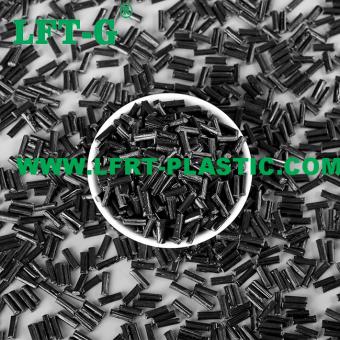
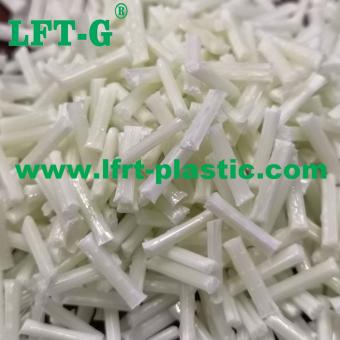
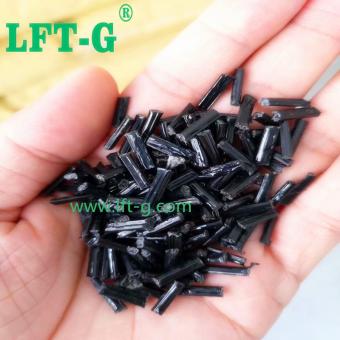
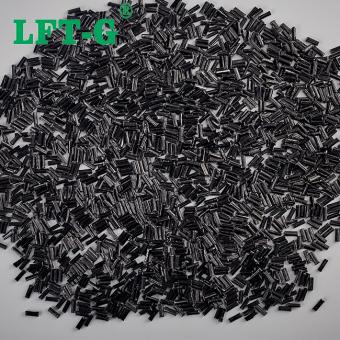
/Industrielles neues Material PPA-Verbundstoff mit langer Kohlefaser, höhere Leistung, niedrigerer Preis

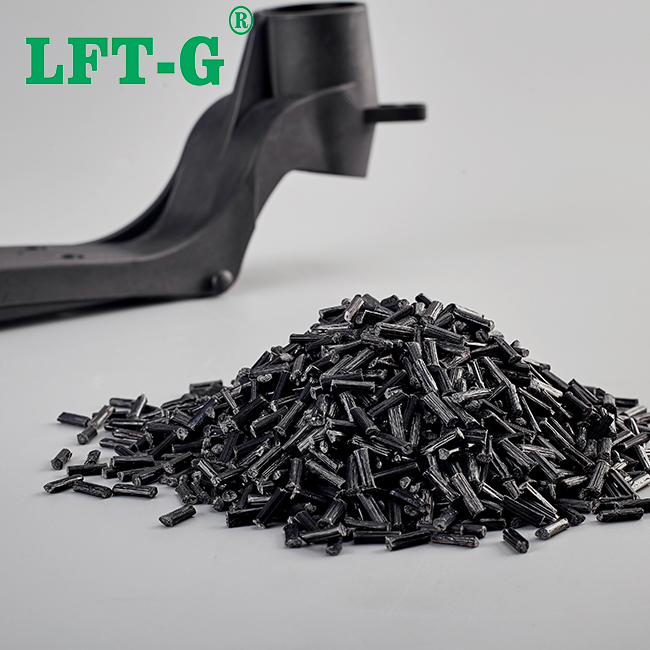
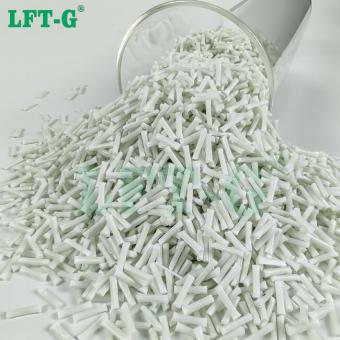
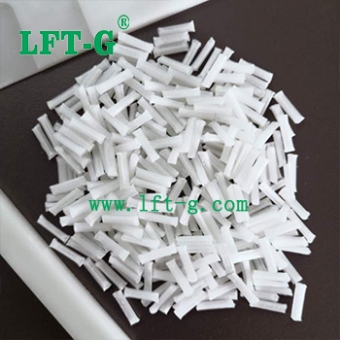
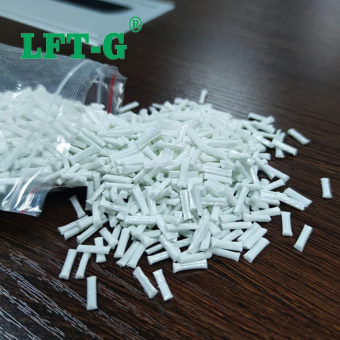
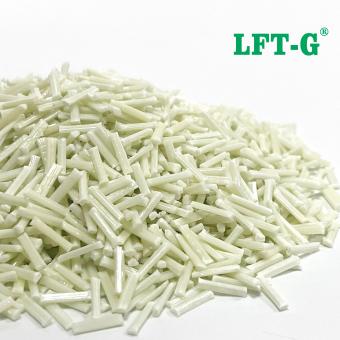
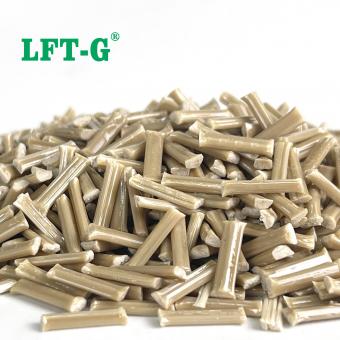
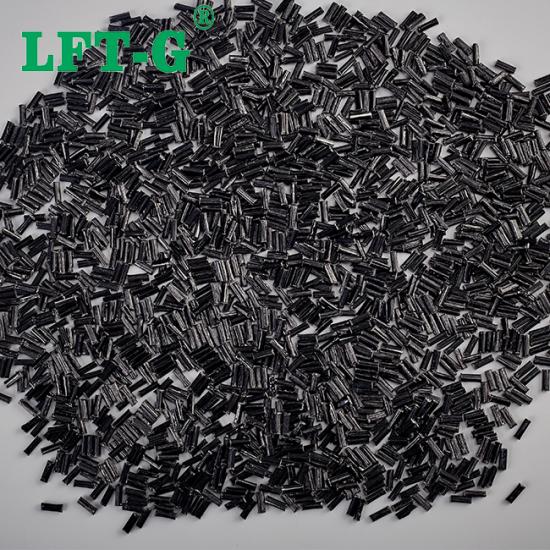
Industrielles neues Material PPA-Verbundstoff mit langer Kohlefaser, höhere Leistung, niedrigerer Preis

  • Art.-Nr.:

    PPA-NA-LCF30
  • Zahlung:

    T/T or L/C (other payment ways also can be di
  • Produktherkunft:

    Xiamen, China
  • Farbe:

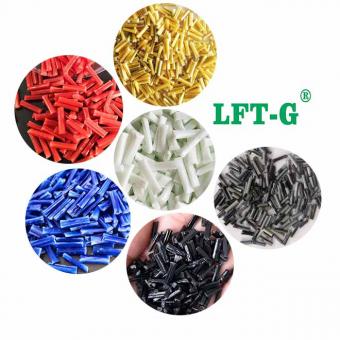
    Original color (also can be customized)
  • Hafen:

    Xiamen, China
Anfrage jetzt
Produktdetail

What is PPA?


PPA (Polyphthalamide) is polyphthalamide.

PPA is a kind of thermoplastic functional nylon with both semi-crystalline structure and non-crystalline structure. It is prepared by polycondensation of phthalic acid and phthalenediamine. It has excellent thermal, electrical, physical and chemical resistance and other comprehensive properties.

It still has excellent mechanical properties, including high rigidity, high strength, high dimensional accuracy, low warping and stability, fatigue resistance and creep resistance, under the harsh working environment of continuous high temperature, humidity, oil pollution and chemical corrosion at 200℃.

The main application is non-crystalline PPA. PPA has high hardness, excellent mechanical strength such as bending, tensile and impact at high temperature, and can resist tensile creep for a long time. Its rigidity and strength even exceed PPS and PEEK at the high temperature of 120℃. Especially suitable to replace die casting alloy to reduce cost.

PPA has higher thermal stability than PA46, better arc resistance and infrared reflow welding ability of CTI.

PPA has excellent resistance to gasoline, diesel, oil, mineral oil, transformer oil and other oils, even at high temperature of 150℃.

PPA is suitable for long-term outdoor use without reducing physical properties even in extreme climate conditions such as high UV radiation, high humidity and high temperature.

PPA resin is stronger and harder than fatty polyamides such as nylon 66; Less sensitive to water; Better thermal performance; And much better creep, fatigue and chemical resistance.

The vast majority of PPA resins are processed by traditional injection molding.


What is Long carbon fiber?


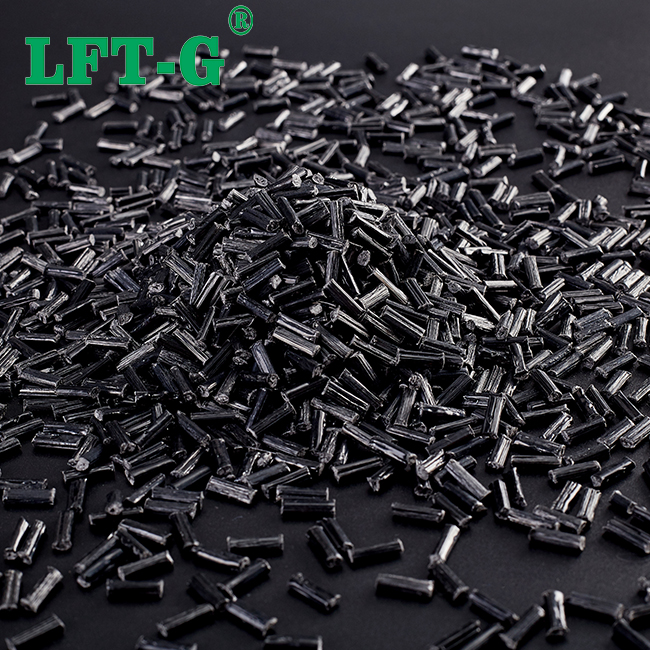
Long carbon fiber reinforced composites offer significant weight savings and provide optimum strength and stiffness properties in reinforced thermoplastics. The excellent mechanical properties of long carbon fiber reinforced company make it an ideal replacement for metals. Combined with the design and manufacturing advantages of injection molded thermoplastics, long carbon fiber composites simplify the re-imagining of components and equipment with demanding performance requirements. Its widespread use in aerospace and other advanced industries makes it a "high-tech" perception of consumers - you can use it to market products and create differentiation from competitors.


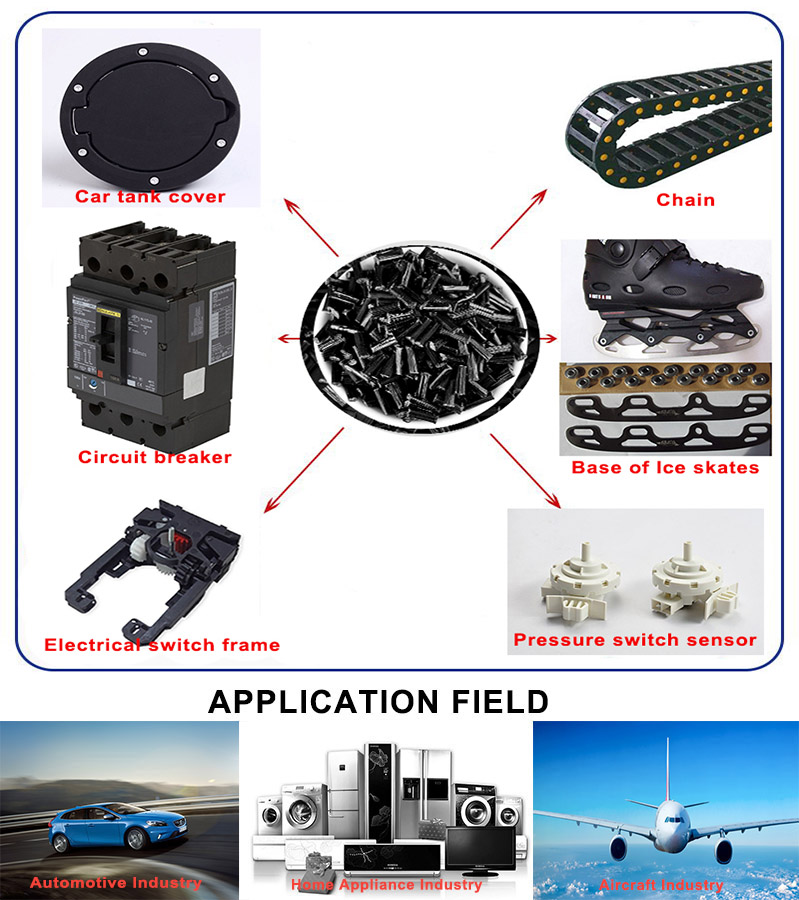
What is the application of PPA-LCF?


Suitable for high temperature, anti-static, high-strength components.

Other products can also ask for our advice. We have 24h 1V1 service for you.


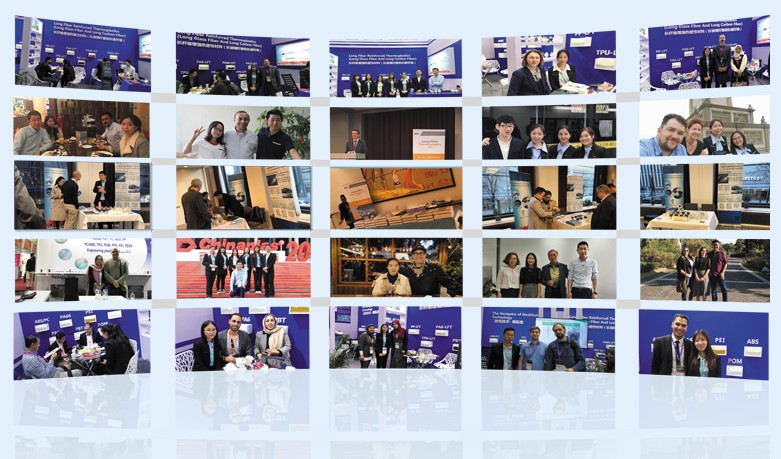
Xiamen LFT composite plastic Co., ltd


Xiamen LFT composite plastic Co., Ltd. is a brand-name company that focuses on LFT&LFRT. Long Glass Fiber Series (LGF) & Long Carbon Fiber Series (LCF). The company's thermoplastic LFT can be used for LFT-G injection molding and extrusion, and can also be used for LFT-D molding. It can be produced according to customer requirements: 5~25mm length.


Die langfaserigen, durch kontinuierliche Infiltration verstärkten Thermoplaste des Unternehmens haben die Systemzertifizierung nach ISO9001 und 16949 bestanden und die Produkte haben zahlreiche nationale Marken und Patente erhalten. Insbesondere die von unserem Unternehmen hergestellte Kohlefaser-LFT-Serie hat die technische Blockade des Auslands durchbrochen. Für den häuslichen Bereich: Automobil, Militärteile, Schusswaffen, Luft- und Raumfahrt, neue Energie, Sportausrüstung und andere Bereiche erfordern hochleistungsfähige thermoplastische Spezialkunststoffe. Und andere neue Technologie-Innovationsbranchen bieten Produkt- und technische Unterstützung.


eine Nachricht schicken

Wenn Sie Probleme bei der Nutzung der Website oder unserer Produkte haben, notieren Sie sich bitte Ihre Kommentare oder Vorschläge. Wir werden Ihre Fragen so schnell wie möglich beantworten! Vielen Dank für Ihre Aufmerksamkeit!

Wenn Sie Fragen oder Anregungen haben, senden Sie uns bitte eine Nachricht, wir werden Ihnen so schnell wie möglich antworten!

verwandte Produkte
china oem MXD6-Spritzguss-Maschine Faser-Glas-mxd6-Granulat polymer lieferant
MXD6-Spritzguss-Maschine Faser-Glas-mxd6-Granulat polymer
MXD6 injection machine fiber glass mxd6 granules polymer which one is made in ourself factory.
 MXD6 Material steigern
High Barrier Nylon Material MXD6 Lange Glasfaser füllen
Schwarze Farbe TPU Verstärkte Polymerinjektionsgrad
Thermoplast TPU LCF Kohlefaser-Pellets für leichte Bauteile
 MXD6 Nylon-PA-Glas
MXD6 Injektionsmaschine Faserglas MXD6 Granulat-Polymer
MXD6 Injektionsmaschine Faserglas MXD6 Granulatpolymere, das man in selbst hergestellt hat Fabrik.
schwarzes TPU-verstärktes Polymer zur Herstellung von Roboterarmen
lft tpu lange Kohlefaser-Verbundwerkstoffe zur Herstellung von Roboterarmen
PA6-NA-LGF30
Xiamen LFT-G Nylon 6 Polyamid 6 Verbundstoff Langglasfasermodifizierter Kunststoff 12 mm Originalfarbe
PA6-Material PA6 ist eines der am häufigsten verwendeten Materialien auf diesem Gebiet und PA6 ist ein sehr guter technischer Kunststoff mit ausgewogener und guter Leistung. Die Rohstoffe für die Herstellung von technischen Kunststoffen aus Nylon 6 sind umfangreich und kostengünstig und unterliegen nicht den Beschränkungen des Technologiemonopols ausländischer Unternehmen. Um dieses kostengünstige und hervorragende Material jedoch sinnvoll nutzen zu können, müssen wir es zunächst verstehen. Heute beginnen wir mit glasfaserverstärkten PA6-Kunststoffen, da es sich um die wichtigste Kategorie technischer PA6-Kunststoffe handelt. PA6 hat wie alle anderen technischen Kunststoffe Vor- und Nachteile, wie z. B. eine hohe Wasseraufnahme, Schlagzähigkeit bei niedrigen Temperaturen und eine relativ schlechte Dimensionsstabilität. Daher werden Ingenieure verschiedene Methoden verwenden, um PA6 zu verbessern, was wir Modifikation nennen. Die derzeit gebräuchlichste Methode ist die Mischung und Modifizierung von PA6 mit Glasfasern (GF). Heute werfen wir einen Blick auf die mechanischen Eigenschaften von technischen PA6-Kunststoffen unter dem Glasfaser-GF-System als Referenz und helfen uns bei der Materialauswahl. PA6-LGF 1. Einfluss des Glasfasergehalts auf technische PA6-Kunststoffe Aus der Anwendung und dem Experiment können wir erkennen, dass der Inhaltsindex häufig einer der größten Einflussfaktoren bei faserverstärkten Verbundwerkstoffen ist. Mit zunehmendem Glasfaseranteil nimmt die Anzahl der Glasfasern pro Flächeneinheit des Materials zu, was bedeutet, dass die PA6-Matrix zwischen den Glasfasern dünner wird. Diese Veränderung bestimmt die Schlagzähigkeit, Zugfestigkeit, Biegefestigkeit und andere mechanische Eigenschaften glasfaserverstärkter PA6-Verbundwerkstoffe. Im Hinblick auf die Schlagzähigkeit wird die Kerbschlagzähigkeit von PA6 durch die Erhöhung des Glasfaseranteils deutlich erhöht. Am Beispiel der Langglasfaserfüllung (LGF) PA6 steigt die Kerbschlagzähigkeit bei einer Erhöhung des Füllvolumens auf 35 % von 24,8 J/m auf 128,5 J/m. Aber der Glasfasergehalt ist nicht besser, das Füllvolumen der kurzen Glasfasern (SGF) erreicht 42 %, die Schlagfestigkeit des Materials erreicht den höchsten Wert von 17,4 kJ/㎡, aber eine weitere Zugabe führt dazu, dass die Spaltschlagfestigkeit nach unten zeigt Trend. Im Hinblick auf die Biegefestigkeit führt die Erhöhung der Glasfasermenge dazu, dass die Biegespannung zwischen den Glasfasern und der Harzschicht übertragen werden kann. Gleichzeitig absorbieren die Glasfasern, wenn sie aus dem Harz extrahiert oder gebrochen werden, viel Energie und verbessern so die Biegefestigkeit des Materials. Die obige Theorie wird durch Experimente bestätigt. Die Daten zeigen, dass der Biegeelastizitätsmodul auf 4,99 GPa ansteigt, wenn die LGF (Langglasfaser) zu 35 % gefüllt ist. Bei einem SGF-Gehalt (Kurzglasfaser) von 42 % erreicht der Biegeelastizitätsmodul 10410 MPa, was etwa dem Fünffachen des reinen PA6 entspricht. 2. Einfluss der Glasfaserretentionslänge auf PA6-Verbundwerkstoffe Auch die Faserlänge der Glasfaser hat einen offensichtlichen Einfluss auf die mechanischen Eigenschaften des Materials. Wenn die Länge der Glasfaser kleiner als die kritische Länge ist (die Länge der Faser, wenn das Material die Zugfestigkeit der Faser hat), nimmt die Grenzflächenbindungsfläche der Glasfaser und des Harzes mit zunehmender Länge zu die Glasfaser. Beim Brechen des Verbundmaterials ist auch der Widerstand der Glasfaser aus dem Harz größer, so dass die Fähigkeit, der Zugbelastung standzuhalten, verbessert wird. Wenn die Länge der Glasfaser den kritischen Wert überschreitet, kann die längere Glasfaser unter Stoßbelastung mehr Aufprallenergie absorbieren. Darüber hinaus ist das Ende der Glasfaser der Ausgangspunkt für das Risswachstum, und die Anzahl der langen Glasfaserenden ist relativ gering, und die Schlagfestigkeit kann erheblich verbessert werden. Die experimentellen Ergebnisse zeigen, dass die Zugfestigkeit des Materials von 154,8 MPa auf 164,4 MPa steigt, wenn der Glasfaseranteil bei 40 % gehalten wird und die Länge der Glasfaser von 4 mm auf 13 mm zunimmt. Die Biegefestigkeit und die Kerbschlagzähigkeit stiegen um 24 % bzw. 28 %. Darüber hinaus zeigen die Untersuchungen, dass die Materialleistung deutlicher zunimmt, wenn die ursprüngliche Länge der Glasfaser weniger als 7 mm beträgt. Im Vergleich zu kurzen Glasfasern weist mit langen Glasfasern verstärktes PA6-Material eine bessere Verformungsbeständigkeit auf und kann die mechanischen Eigenschaften unter Bedingungen hoher Temperatur und Luftfeuchtigkeit besser beibehalten. TDS als Referenz PA6 kann zu langglasfaserverstärktem Material verarbeitet werden, indem je nach Produkteigenschaften 20–60 % Langglasfasern hinzugefügt werden. PA6 mit zugesetzten Langglasfasern weist eine bessere Festigkeit, Wärmebeständigkeit, Schlagzähigkeit, Dimensionsstabilität und Verformungsbeständigkeit auf als ohne zugesetzte Glasfasern. Die folgenden TDS ...
PP GF
China Carbon Fiber PP Polypropylen modifizierte Verbindungen
Polypropylen, auch bekannt als PP oder Polypropen, ist ein Polyolefin oder gesättigtes Polymer. Es ist ein Thermoplast mit niedriger Dichte mit gute Hitzebeständigkeit Weitere Merkmale von PP sind: chemische Beständigkeit, Elastizität, Zähigkeit, Ermüdungsbeständigkeit und elektrische Isolationsfähigkeit .
PA6-NA-LGF30
Xiamen LFT-G Nylon 6 Polyamid 6 Verbundwerkstoff Langglasfaser modifizierter Kunststoff 12mm Originalfarbe
PA6 material PA6 is one of the most widely used materials in the current field, and PA6 is a very good engineering plastic with balanced and good performance. The raw materials for the manufacture of nylon 6 engineering plastic are extensive and inexpensive, and it is not restricted by the technological monopoly of foreign companies.However, in order to make good use of this inexpensive and excellent material, we must first understand it. Today, we will start with glass fiber reinforced PA6 engineering plastics, because it is the most important category of PA6 engineering plastics.Just like any other engineering plastics, PA6 has advantages and disadvantages, such as high water absorption, low temperature impact toughness and dimensional stability is relatively poor. So engineers will use different methods to make PA6 better, which we call modification. At present, the most common method is to blend and modify PA6 with glass fiber (GF).Today, we will take a look at the mechanical properties of PA6 engineering plastics under the glass fiber GF system for reference and help us select materials. PA6-LGF 1. Influence of glass fiber content on PA6 engineering plastics We can find from the application and experiment that the content index is often one of the biggest influencing factors in fiber reinforced composites.As the glass fiber content increases, the number of glass fibers per unit area of the material will increase, which means that the PA6 matrix between the glass fibers will become thinner. This change determines the impact toughness, tensile strength, bending strength and other mechanical properties of glass fiber reinforced PA6 composites.In terms of impact performance, the increase of glass fiber content will greatly increase the notch impact strength of PA6. Taking long glass fiber (LGF) filling PA6 as an example, when the filling volume increases to 35%, the notch impact strength will increase from 24.8J/m to 128.5J/m. But the glass fiber content is not more is better, short glass fiber (SGF) filling volume reached 42%, the impact strength of the material reached the highest 17.4kJ/㎡, but continue to add will let the gap impact strength showed a downward trend.In terms of bending strength, the increase of the amount of glass fiber will make the bending stress can be transferred between the glass fiber through the resin layer; At the same time, when the glass fiber is extracted from the resin or broken, it will absorb a lot of energy, thus improving the bending strength of the material.The above theory is verified by experiments. The data show that the bending elastic modulus increases to 4.99GPa when the LGF (long glass fiber) is filled to 35%. When the content of SGF (short glass fiber) is 42%, the bending elastic modulus reaches 10410MPa, which is about 5 times that of pure PA6. 2. Influence of glass fiber retention length on PA6 composites The fiber length of the glass fiber also has an obvious effect on the mechanical properties of the material. When the length of the glass fiber is less than the critical length (the length of the fiber when the material has the tensile strength of the fiber), the interface binding area of the glass fiber and the resin increases with the increase of the length of the glass fiber. When the composite material is broken, the resistance of the glass fiber from the resin is also greater, so as to improve the ability to withstand the tensile load.When the length of glass fiber exceeds the critical, the longer glass fiber can absorb more impact energy under impact load. In addition, the end of the glass fiber is the initiation point of crack growth, and the number of long glass fiber ends is relatively less, and the impact strength can be significantly improved.The experimental results show that the tensile strength of the material increases from 154.8MPa to 164.4MPa when the glass fiber content is kept at 40% and the length of the glass fiber increases from 4mm to 13mm. The bending strength and notched impact strength increased by 24% and 28%, respectively.Moreover, the research shows that when the original length of the glass fiber is less than 7mm, the material performance increases more obviously. Compared with short glass fiber, long glass fiber reinforced PA6 material has better appearance warping resistance, and can better maintain mechanical properties under high temperature and humidity conditions. TDS for your reference PA6 can be made into long glass fiber reinforced material by adding 20%-60% long glass fiber according to the characteristics of the product. PA6 with long glass fiber added has better strength, heat resistance, impact resistance, dimensional stability and warping resistance than without glass fiber added. Following TDS show the data of PA6-LGF30. Application PA6-LGF has the largest proportion of applications in the automotive industry, by electronic and electrical applications, and also involving machinery and engineering parts. Aut...
Newsletter

-- Updates mit den neuesten Themen erhalten

Copyright © 2015-2026 Xiamen LFT composite plastic Co.,ltd..Alle Rechte vorbehalten.

Startseite

Produkte

 Nachrichten

Kontakt