Email
Email Deutsch
 English
 français
 русский
 italiano
 español
 português
 العربية
 日本語
日本語 한국의
한국의 中文
中文


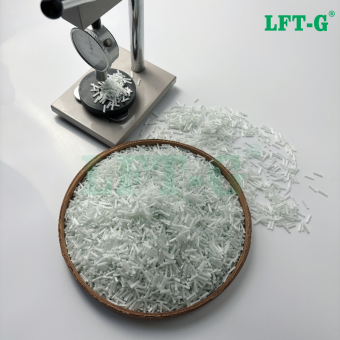
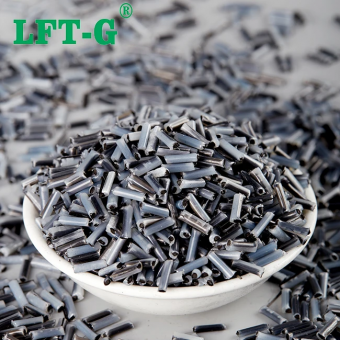
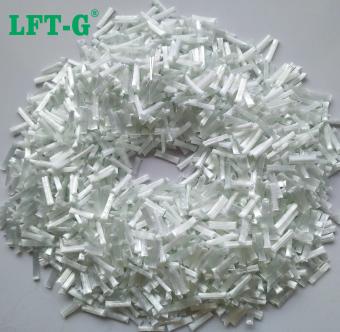
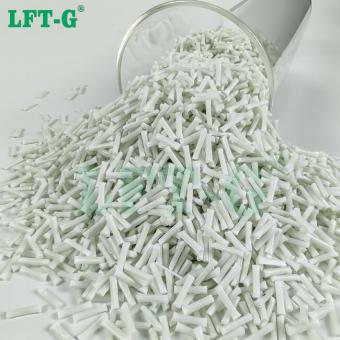
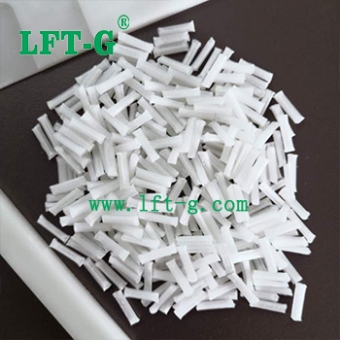
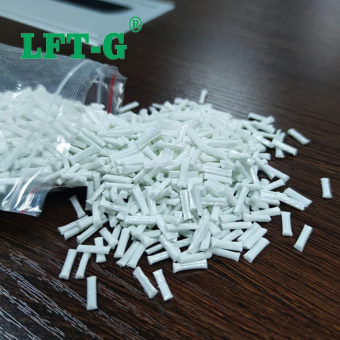
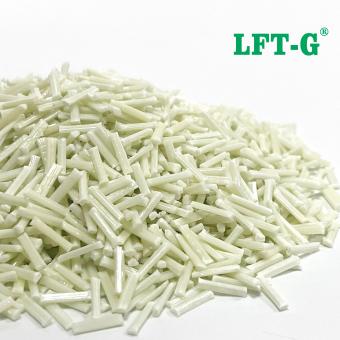
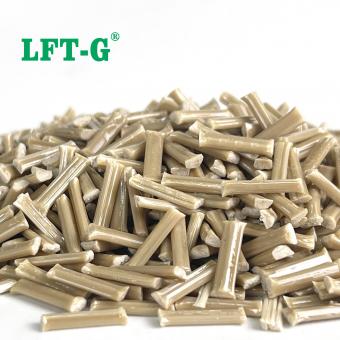
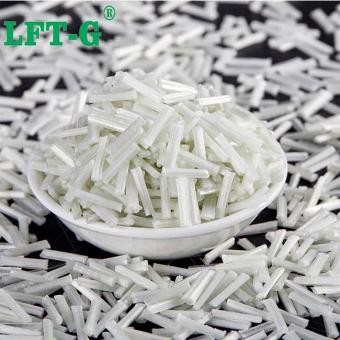
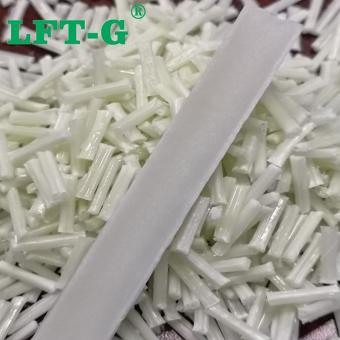
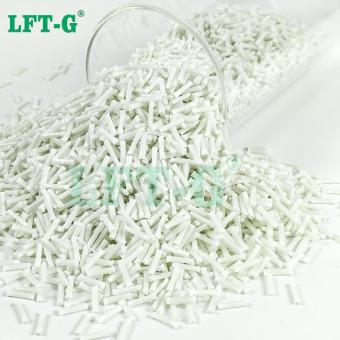
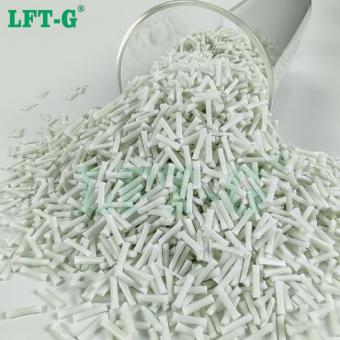
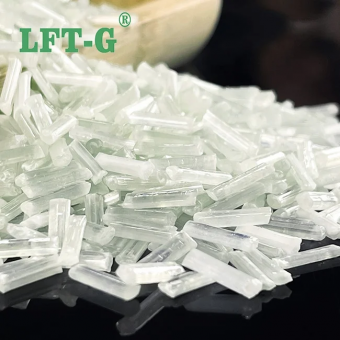
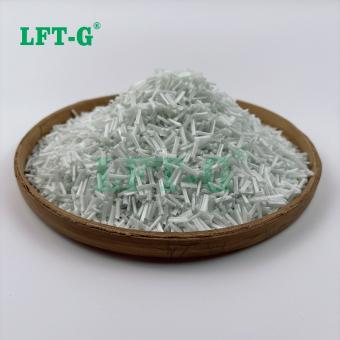
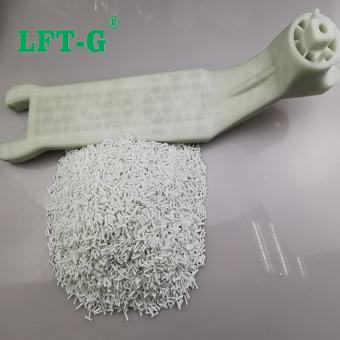
Lange Glasfasern zeichnen sich durch hohe Festigkeit, hohe Steifigkeit, Korrosionsbeständigkeit, Eignung für raue Umgebungen und niedrige Kosten aus. wenn die Harzmatrix imprägniert und zu Pellets extrudiert wird, auch genannt langes Glasfaserpolymer es hat gute mechanische eigenschaften.
-
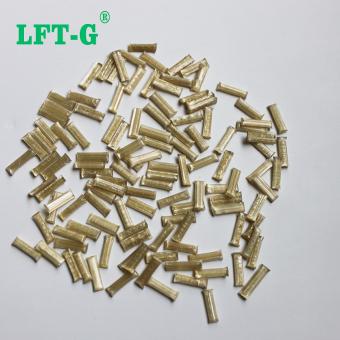
LFT-G-Material PPS-Verbundwerkstoff mit langen Glasfasern für Teile von HaushaltsgerätenProduktnummer: PPS-NA-LGF Faserspezifikation: 20%-60% Eigenschaft: 94-VO flammhemmend, hohe Zähigkeit, geringe Verformung, Ermüdungsbeständigkeit, gutes Erscheinungsbild des Produkts Anwendung: Laufrad von Wassererhitzern, Pumpengehäuse, Verbindung, Ventil, Laufrad von Chemiepumpen, Gehäuse, Kühlwasser-Laufrad, Gehäuse, Teile für Haushaltsgeräte
- 94-VO flammhemmendes PPS-Neuwarematerial
- Hochzähigkeit selbstherstellende Fabrik
- Spritzguss mit geringem Verzug
- Lieferantenpreis für Wassererhitzer-Laufrad
- Pumpengehäuse mit hohen mechanischen Eigenschaften
- Muster verfügbar zum besten Preis
Tags :
-
LFT-G Polyamid-6-Nylonmaterialien mit Glasfaserfüllung 20%-60%PA66 Langglasfaserverstärkter Thermoplast (PA66-LGF) Polyamid 66 (PA66) ist einer der am weitesten verbreiteten technischen Thermoplaste. Es bietet hervorragende mechanische Festigkeit, Verschleißfestigkeit, Isoliereigenschaften und chemische Beständigkeit und eignet sich daher für anspruchsvolle industrielle Anwendungen. Allerdings weist PA66 auch Einschränkungen auf, wie eine relativ hohe Wasseraufnahme, Dimensionsinstabilität unter Feuchtigkeitseinfluss und eine verringerte Schlagzähigkeit bei niedrigen Temperaturen. Um diese Schwächen zu überwinden, wird häufig eine Langglasfaserverstärkung eingesetzt, um die Leistung deutlich zu verbessern. Warum PA66 mit Langglasfaser verstärken? Die Zugabe von Langglasfasern (LGF) in PA66-Harz verbessert die mechanischen und thermischen Eigenschaften erheblich und erhält gleichzeitig eine gute Verarbeitbarkeit. Verbesserte Zugfestigkeit und Biegefestigkeit Höhere Schlagfestigkeit Erhöhte Wärmeformbeständigkeitstemperatur Bessere Dimensionsstabilität Verbesserte chemische Beständigkeit Die Leistungsverbesserung hängt eng mit dem Fasergehalt zusammen. Typischerweise zeigt PA66 mit 20 %–40 % Langglasfaser eine deutliche Steigerung von Festigkeit, Steifigkeit und Tragfähigkeit. Wichtige Vorteile von PA66-LGF-Materialien 1. Hohe mechanische Festigkeit Die Langglasfaserverstärkung verbessert Zug-, Biege- und Schlagfestigkeit erheblich und macht PA66 für Strukturbauteile geeignet. 2. Hervorragende Wärmebeständigkeit PA66-LGF-Materialien behalten ihre Stabilität bei hohen Temperaturen und eignen sich für Anwendungen im Motorraum von Fahrzeugen. 3. Verbesserte Dimensionsstabilität Reduzierte Schrumpfung und Verzug gewährleisten eine höhere Präzision bei Formteilen. 4. Verbesserte Verschleißfestigkeit Ideal für bewegliche und lasttragende Komponenten wie Zahnräder und mechanische Gehäuse. Datenblatt als Referenz Qualitätsprüfung Zertifizierungen Werksübersicht Über Xiamen LFT Composite Plastics Co., Ltd. Xiamen LFT Composite Plastics Co., Ltd. ist ein professioneller Hersteller, der sich auf langfaserverstärkte Thermoplaste (LFT & LFRT) spezialisiert, einschließlich Verbundwerkstoffen aus Langglasfaser (LGF) und Langkohlenstofffaser (LCF). Unsere Materialien werden umfassend in den Bereichen Automobilindustrie, Elektrik & Elektronik, Industrieausrüstung, neue Energien und Strukturbauteile eingesetzt. Wir unterstützen sowohl Spritzgussverfahren (LFT-G) als auch Extrusionsprozesse mit anpassbaren Faserlängen von 5 mm bis 25 mm. Das Unternehmen ist nach ISO 9001 und IATF 16949 zertifiziert und besitzt mehrere Patente im Bereich der Langfaser-Verbundtechnologie. Hauptprodukte
- PA66-Nylon mit LGF-Füllung für Haushaltsgeräteteile
- PA66-Compounds für elektronische Teile
- PA66-Glasfaserverbundstoff mit geringer Verformung
- Thermoplastisches Harz PA66 mit Fasern
- Materialien für elektronische Geräteteile aus PA66-Langfasern
- PA66-Nylon mit Langfaserfüllung, weiß
Tags :
-
PBT Polybutylenterephthalat mit langen Glasfasern verstärkte CompoundsPBT weist ähnliche Eigenschaften wie PET (Polyethylenterephthalat) auf. Es ist bekannt für seine dimensionsstabile Form, geringe Feuchtigkeitsaufnahme, hohe Festigkeit, Steifigkeit sowie chemische, UV- und thermische Beständigkeit. Es wird häufig verwendet in Autokotflügeln und Innenverkleidungsteilen, Gehäusen für Elektrowerkzeuge und elektrischen Gehäusen.
- PBT-Glasfaserverstärkte Pellets
- Industrielle PBT-Verbundwerkstoffe
- PBT zum Ersetzen von Metall
- PBT mit hohen Eigenschaften für elektrische Gehäuse
- Langfaserverstärktes PBT
- PBT-Hersteller aus China mit gutem Preis und Lagerbestand
Tags :
-
Hochfeste MXD6-Verbundfüllung mit langen Glasfasern, OriginalfarbeNylon - MXD6 ist eine Art kristallines Polyamidharz, das durch Kondensation von m-Benzoylamin und Adipinsäure synthetisiert wird.
- Kristallines Nylonharz mxd6 gf guter Preis
- Verbundwerkstoffe mit langen Glasfasern mxd6
- Hochleistungskunststoff mxd6
- Hergestellt in China Produkte Verbindungen mxd6
- Kundenspezifische Kunststoff-Glasfaser-Zusätze erhöhen die Festigkeit von MXD6.
- Thermoplastisches Harz
Tags :
-
LFT Nylon 12 Polyamid-Kunststoff Langglasfaserverstärkte VerbundwerkstoffgranulatePA 12 (auch bekannt als Nylon 12) ist ein vielseitig einsetzbarer Kunststoff mit breiten Anwendungsmöglichkeiten durch Additive und zeichnet sich durch seine Zähigkeit, Zugfestigkeit, Schlagfestigkeit und Biegefähigkeit ohne Bruch aus. Aufgrund dieser mechanischen Eigenschaften wird PA 12 seit Langem von Spritzgießern verwendet.
- Spritzguss mit hoher Schlagfestigkeit
- modifiziertes thermoplastisches Harz LFRT
- Strukturbauteile, Zahnräder und Lager für Kraftfahrzeuge
- vielseitiger technischer Kunststoff
- Polymerhersteller aus China, Fabrikpreis
- günstiger Preis für Kunststoffharz PA 12
Tags :
-
Polyethylen-Verbundgranulat hoher Dichte mit 20-60 % LangglasfaseranteilHDPE langglasfaserverstärktes Material bietet verbesserte Steifigkeit, Festigkeit und Schlagfestigkeit Dadurch eignet es sich für anspruchsvolle Anwendungen. Es findet breite Anwendung in Automobilkomponenten, Industriebehältern und Outdoor-Geräten, die … Langlebigkeit und geringes Gewicht Leistung.
- Polyethylen hoher Dichte
- Glasfaserdichte
- Polyethylenrohr hoher Dichte
- Anwendungen von Polyethylen hoher Dichte
- Polyethylen hoher Dichte
- Eigenschaften von Polyethylen hoher Dichte
Tags :
-
PLA (Polymilchsäure) ist ein thermoplastisches Harz mit langen Glasfasern für technische Anwendungen.PLA-Kunststoff PLA (Polymilchsäure) ist ein biobasierter und biologisch abbaubarer Polyester, der als einer der vielversprechendsten „grünen Kunststoffe“ gilt. Er zeichnet sich durch hervorragende Eigenschaften aus. Biokompatibilität, biologische Abbaubarkeit und mechanische Festigkeit Unter Kompostierungsbedingungen kann PLA vollständig abgebaut werden in CO₂ und Wasser Dadurch ist es ungiftig und umweltfreundlich. PLA besitzt ähnliche mechanische Eigenschaften wie Polypropylen, während seine Transparenz und sein Glanz mit Polystyrol vergleichbar sind. Es kann mit Standardverfahren der Thermoplaste verarbeitet werden, wie zum Beispiel Spritzgießen, Extrusion, Blasformen und 3D-Druck Es findet breite Anwendung in Verpackungen, Fasern, Medizinprodukten, pharmazeutischen Produkten und Einwegartikeln und gilt als Schlüsselmaterial zur Reduzierung der Plastikverschmutzung. Langglasfaserverstärktes PLA (LGFPLA) Glasfaser ist ein anorganischer, nichtmetallischer Werkstoff mit hervorragenden Eigenschaften wie zum Beispiel hohe Festigkeit, Hitzebeständigkeit, Korrosionsbeständigkeit und Isolationsfähigkeit Es wird häufig als Verstärkungsmaterial in Verbundwerkstoffen verwendet. Langglasfaserverstärktes PLA (LGFPLA) bezeichnet PLA-Verbundwerkstoffe, die mit Glasfasern von typischerweise 10–25 mm Länge verstärkt sind. Nach dem Spritzgießen bilden die Fasern eine dreidimensionale Netzwerkstruktur, wodurch die mechanischen Eigenschaften deutlich verbessert werden. LGFPLA gehört zur Materialfamilie der langfaserverstärkten Thermoplaste (LFT). Standardmäßige LGFPLA-Pellets sind typischerweise 12 mm oder 25 mm lang. Der Fasergehalt variiert zwischen 20 % bis 60 % Die Farben können nach Kundenwunsch angepasst werden. LGF vs SGF (Lange Faser vs Kurze Faser) Im Vergleich zu kurzglasfaserverstärkten Verbundwerkstoffen bieten langfaserverstärkte Thermoplaste (LFT) deutliche Leistungsvorteile: Längere Faserlänge für verbesserte mechanische Festigkeit Höhere spezifische Steifigkeit und Schlagfestigkeit Ausgezeichnete Kriechfestigkeit und Dimensionsstabilität Verbesserte Ermüdungsbeständigkeit Bessere Leistung bei Hitze und hoher Luftfeuchtigkeit Reduzierter Faserbruch beim Formen Produktdetails Grad Farbe Länge Ballaststoffgehalt Paket Probe Hafen Lieferzeit PLA-LGF Natürlich / Individuell gestaltet 6–25 mm 20 %–60 % 25 kg/Sack Verfügbar Hafen von Xiamen 7–15 Tage Labor & Fabrik Über Xiamen LFT Composite Plastic Co., Ltd. Xiamen LFT Composite Plastic Co., Ltd. ist spezialisiert auf die Entwicklung und Produktion von mit Langglasfasern (LGF) und Langkohlenstofffasern (LCF) verstärkten Thermoplasten, darunter PP, PA6, PA66, PPA, PA12, TPU, PBT, PLA, PET, PPS und PEEK. Unsere Materialien bieten hohe Festigkeit, geringes Gewicht, Schlagfestigkeit, Korrosionsbeständigkeit, Recyclingfähigkeit und hervorragende Verarbeitungseigenschaften Dadurch eignen sie sich ideal für Anwendungen in den Bereichen Automobil, Elektrotechnik, Industrie, Luft- und Raumfahrt sowie Konsumgüter.
- PLA-verstärkter Kunststoff LGF-Produktion PLA
- LFT-G PLA-Spritzguss-modifizierte Materialien
- Langglasfaser-Verbindungen PLA-Harz-Basis
- PLA-Pellets mit langen Fasern, 30, hergestellt in China
- Direktvertrieb vom Hersteller von PLA-Polymeren
- PLA-Reinpellets, Neuware, LFT
Tags :
-
PPS Polyphenylensulfid Langglasfaserverstärkte VerbindungenPPS ist ein leistungsstarkes, robustes technischer Kunststoff PPS zeichnet sich durch hohe Dimensions- und Wärmestabilität, einen breiten Betriebstemperaturbereich bis zu 260 °C und gute chemische Beständigkeit aus. Darüber hinaus ist PPS, wie die meisten anderen Thermoplaste, ein elektrischer Isolator. Dank seiner Eignung für hohe Temperaturen und seiner Wärmestabilität eignet sich PPS hervorragend für Anwendungen wie beispielsweise … Halbleiterbauteile in Maschinen, Lagern und Ventilsitzen Die
- PPS für Leichtbau-Automobilteile
- Industrielle PPS-Verbundwerkstoffe
- PPS für Spritzguss
- Hochleistungsfähige PPS-Verbundwerkstoffe
- Langfaserverstärktes PPS
- PPS-Hersteller aus China, günstiger Lagerverkauf
Tags :
-
LFT-G TPU Thermoplastische Urethan-gefüllte Langglasfaser-CompoundsWas ist TPU? TPU (Thermoplastisches Polyurethan) ist ein Hochleistungselastomer, das die Elastizität von Gummi mit den Verarbeitungsvorteilen von Thermoplasten kombiniert. TPU wird hauptsächlich in Polyester- und Polyether-basierte Typen unterteilt und weist einen breiten Härtebereich von 60HA bis 85HD auf. Es bietet hervorragende: Verschleißfestigkeit Ölbeständigkeit Elastizität und Flexibilität Transparenz Tieftemperaturverhalten Umweltfreundlichkeit TPU-Materialien finden breite Anwendung in Konsumgütern, Sportgeräten, Elektrowerkzeugen, Automobilteilen, Kabeln und Industriekomponenten. Als thermoplastisches Elastomer kann TPU wiederholt erhitzt und verarbeitet werden, ohne dass es zu einer signifikanten chemischen Vernetzung kommt. Dadurch eignet es sich für Spritzguss- und Extrusionsanwendungen. Warum sollte man TPU mit langen Glasfasern verstärken? Mit langen Glasfasern verstärkte TPU-Verbundwerkstoffe bieten eine hocheffiziente Lösung, wenn herkömmliche verstärkte Kunststoffe die Anforderungen an die strukturelle Leistungsfähigkeit nicht erfüllen können. Durch die Ausbildung eines dreidimensionalen internen Faserskeletts verbessern lange Glasfasern Folgendes deutlich: Mechanische Festigkeit Dimensionsstabilität Ermüdungsresistenz Schlagfestigkeit Langlebigkeit in rauen Umgebungen Metallersatzfähigkeit Langglasfaserverstärkte TPU-Materialien tragen zur Gewichtsreduzierung des Produkts bei und gewährleisten gleichzeitig eine hervorragende strukturelle Leistungsfähigkeit und langfristige Haltbarkeit. Im Vergleich zu Kurzglasfasern Im Vergleich zu kurzglasfaserverstärkten Werkstoffen bieten langglasfaserverstärkte Verbundwerkstoffe eine überlegene Lastübertragungseffizienz, eine bessere Schlagfestigkeit und eine verbesserte Ermüdungsbeständigkeit aufgrund der längeren, im Material verbleibenden Faserstruktur. Anwendungen TPU-LGF-Werkstoffe finden breite Anwendung in Branchen, die Flexibilität, Haltbarkeit und strukturelle Festigkeit erfordern. Autotür- und Fensterkomponenten Sicherheitszehenkappen Mechanische Bauteile Gehäuse für Druckluftnagelgeräte Professionelle Elektrowerkzeuge Industrieverbinder und Befestigungselemente Verschleißfeste technische Bauteile Unser Ingenieurteam kann Ihnen je nach Verarbeitungsverfahren und Leistungsanforderungen geeignete TPU-LGF-Sorten empfehlen. Über Xiamen LFT Composite Plastic Co., Ltd. Xiamen LFT Composite Plastic Co., Ltd. ist spezialisiert auf langfaserverstärkte thermoplastische Werkstoffe (LFT & LFRT), einschließlich langglasfaserverstärkter (LGF) und langkohlenstofffaserverstärkter (LCF) Verbundwerkstoffe. Unsere Materialien eignen sich für: LFT-G Spritzguss Extrusionsformen LFT-D Direktformverfahren Kundenspezifische Pelletlängen von 5–25 mm sind gemäß den Kundenanforderungen erhältlich. Das Unternehmen hat die Qualitätsmanagementzertifizierungen ISO9001 und IATF16949 erhalten und besitzt mehrere nationale Patente und Marken. Zertifizierungen & Qualitätssicherung ISO9001- und IATF16949-Qualitätsmanagement-Zertifizierung Akkreditierung nationaler Laboratorien Innovationsunternehmen für modifizierte Kunststoffe REACH- und RoHS-Konformitätsprüfung Mehrere nationale Patente und Marken Benötigen Sie technische Unterstützung oder Materialempfehlungen? Kontaktieren Sie uns für Datenblätter, Muster, Verarbeitungshinweise und kundenspezifische TPU-LGF-Materiallösungen. Kontaktieren Sie uns
- TPU-LFT-Polymerhersteller
- langfaserverstärkte Thermoplaste
- glasfaserverstärkte Kunststoffgranulate
- Langglasfaser-TPU-GFK
- langfaserverstärkte TPU-Verbundgranulate
- langglasfaserverstärktes TPU lft
Tags :
-
Langglasfaserverstärkte Verbundwerkstoffe der ABS-Serie, CopolymerABS-Spritzguss Das Spritzgießen von ABS-Kunststoff bezeichnet das Verfahren, bei dem geschmolzener ABS-Kunststoff unter hohem Druck und hohen Temperaturen in eine Form eingespritzt wird. ABS ist ein weit verbreiteter Kunststoff und findet in vielen Bereichen Anwendung. Automobil-, Konsumgüter- und Bauindustrie um nur einige zu nennen.
- LFT-G
- ABS bedeutet Material
- ABS-Glasfaser
- ABS-Granulat-Hersteller
- Preis für Kunststoffgranulat pro kg
- Elektronikkunststoffe
Tags :
-
LFT-G Polypropylen PP Hochleistungs-NeuwareTitel PP-Langglasfaserverstärkter Verbundwerkstoff (PP-LGF) Einführung Langglasfaserverstärktes Polypropylen (PP-LGF) hat sich aufgrund seiner geringen Kosten, seiner hervorragenden mechanischen Eigenschaften und seiner ökologischen Vorteile zu einem der beliebtesten leichten Verbundwerkstoffe entwickelt. Im Vergleich zu kurzglasfaserverstärktem Polypropylen (PP-SGF) bietet PP-LGF folgende Vorteile: Festigkeit und Steifigkeit Ermüdungsresistenz Schlagfestigkeit Warp-Widerstand Dimensionsstabilität Diese Vorteile ermöglichen es den Herstellern, Leichtbaukonstruktionen zu realisieren und gleichzeitig die Produktionskosten zu senken. Technische Beschreibung Materialeigenschaften Die von unserem Unternehmen hergestellten PP-LGF-Pellets sind im Allgemeinen 8–15 mm lang, der Glasfaseranteil liegt zwischen 20 % und 60 %. Die im Inneren der Pellets verbleibende Faserlänge kann 1–3 mm erreichen und ist damit deutlich länger als bei herkömmlichen PP-SGF-Materialien (0,2–0,4 mm). Aufgrund der internen dreidimensionalen Fasernetzwerkstruktur bietet PP-LGF folgende Vorteile: 1. Leichtgewichtige Leistung Durch den Ersatz von Metall durch langglasfaserverstärkte Verbundwerkstoffe lässt sich das Produktgewicht effektiv reduzieren. 2. Hohe Festigkeit und Steifigkeit Die ausgezeichnete mechanische Festigkeit und Schlagfestigkeit machen es für strukturelle Anwendungen geeignet. 3. Kostenreduzierung Komplexe Teile können oft in einem einzigen Arbeitsgang geformt werden, was die Fertigungsprozesse vereinfacht. 4. Ausgezeichnete Schlagfestigkeit Das Material absorbiert Aufprallenergie effizient und bietet eine effektive Dämpfungsleistung. 5. Korrosionsbeständigkeit Hervorragende Beständigkeit gegenüber Säuren, Laugen und Salzen im Vergleich zu herkömmlichen Metallen. 6. Designflexibilität Unterstützt kundenspezifische Farben und komplexe Spritzgussformen. Produktbild Datenblatt Datenblattreferenz Tests Prüfung und Qualitätskontrolle Anwendungen Anwendungen PP-LGF wurde in großem Umfang eingesetzt in: Automobilkomponenten Strukturteile der Waschmaschine Gehäuse für Industrieanlagen Leichtbauprodukte Für individuelle technische Unterstützung und Materialempfehlungen kontaktieren Sie uns bitte. Über das Unternehmen Über Xiamen LFT Composite Plastic Co., Ltd. Firmenbeschreibung Xiamen LFT Composite Plastic Co., Ltd. ist spezialisiert auf die Forschung, Entwicklung und Produktion von langfaserverstärkten thermoplastischen Werkstoffen (LFT & LFRT). Zu unseren wichtigsten Produktreihen gehören: Langglasfaserverstärkte Thermoplaste (LGF) Langkohlenstofffaserverstärkte Thermoplaste (LCF) Unsere Materialien eignen sich für: LFT-G Spritzguss Extrusionsformen LFT-D Direktformverfahren Kundenspezifische Pelletlängen von 5–25 mm sind gemäß den Kundenanforderungen erhältlich. Das Unternehmen hat die Qualitätsmanagementzertifizierungen ISO9001 und IATF16949 erhalten und verfügt über zahlreiche Markenrechte und Patente.
- PP-Harz LGF GFRP
- guter Preis PP verstärkt GF
- stattdessen Metall PP Kunststoff langes Glasfaserglas
- thermoplastisches PP mit langen Fasern
- pp-na-lgf 30 lft weiß
- Glasfaserfüllung Polypropylen 30%
Tags :
-
Nylon6-Füllung, lange Glasfaser 40, Originalfarbe für AutomobilteileTitel Was ist PA6-Kunststoff? Polyamid (PA), allgemein bekannt als Nylon, ist ein thermoplastischer technischer Kunststoff, der Amidgruppen (-NHCO-) in seiner Molekülkette enthält. Es lässt sich in aliphatische und aromatische Polyamide unterteilen und zählt zu den ältesten und am weitesten verbreiteten technischen Kunststoffen. Polyamid-Werkstoffe finden breite Anwendung in Fasern, technischen Kunststoffen und Folien. Je nach Anzahl der Kohlenstoffatome in der Molekülstruktur lassen sich viele verschiedene Polyamid-Typen herstellen, darunter: PA6, PA66 und PA610 sind die am häufigsten verwendeten. Bild PA6 Einleitung Einführung in PA6 (Polyamid 6) PA6 ist ein aliphatisches Polyamid, das für sein geringes Gewicht, seine hohe mechanische Festigkeit, seine Verschleißfestigkeit und seine hervorragenden Verarbeitungseigenschaften bekannt ist. Es findet breite Anwendung in technischen Kunststoffen, Fasern, Automobilkomponenten und anderen industriellen Anwendungen. PA6-Moleküle enthalten jedoch stark polare Amidgruppen, die leicht Wasserstoffbrückenbindungen mit Wassermolekülen ausbilden. Daher weist PA6 eine relativ hohe Wasseraufnahme auf, was die Dimensionsstabilität und die Schlagzähigkeit unter trockenen oder kalten Bedingungen beeinträchtigen kann. Vorteile Vorteile von Nylon 6 (PA6) Hohe mechanische Festigkeit und ausgezeichnete Zähigkeit Hervorragende Dauerfestigkeit bei wiederholter Biegung Hohe Hitzebeständigkeit und Erweichungspunkt Niedriger Reibungskoeffizient und ausgezeichnete Verschleißfestigkeit Ausgezeichnete Beständigkeit gegenüber Ölen, Laugen und gängigen Lösungsmitteln Gute Anti-Aging- und Witterungsbeständigkeit Selbstverlöschend, ungiftig und geruchlos Hervorragende elektrische Isolationsleistung Leicht und einfach zu verarbeiten und zu formen Nachteile Nachteile von Nylon 6 (PA6) Hohe Wasseraufnahmerate Geringe Dimensionsstabilität in feuchten Umgebungen Begrenzte Beständigkeit gegenüber starken Säuren und Oxidationsmitteln Oberflächenverfärbung und Oxidation bei langfristig hohen Temperaturen Strenge Feuchtigkeitsanforderungen beim Spritzgießen Mögliche Verformungen und Verzug beim Formen Warum LGF Warum PA6 mit Langglasfasern füllen? Obwohl PA6 hervorragende mechanische Eigenschaften und eine gute Verarbeitbarkeit aufweist, schränken seine hohe Wasseraufnahme und Dimensionsinstabilität seinen Einsatz in anspruchsvollen technischen Anwendungen ein. Zur Verbesserung der Gesamtleistung von PA6 wird üblicherweise eine Verstärkungsmodifizierung eingesetzt. Die Zugabe von Langglasfasern (LGF) oder Kohlenstofffasern führt zu einer signifikanten Verbesserung der Eigenschaften von PA6. Mechanische Festigkeit Schlagfestigkeit Dimensionsstabilität Hitzebeständigkeit Ermüdungsresistenz Strukturelle Steifigkeit Langglasfaserverstärktes PA6 findet breite Anwendung im Automobilbau, in der Industrie und im Bauwesen. LGF-Bild Anwendungen Anwendungen von PA6-LGF PA6, verstärkt mit 30 % Langglasfasern (LGF30), ist ein idealer technischer Werkstoff für: Gehäuse und Komponenten für Elektrowerkzeuge Strukturbauteile für Kraftfahrzeuge Komponenten von Maschinenbaumaschinen Industrielle tragende Konstruktionen Teile von mechanischen und elektrischen Geräten Im Vergleich zu unverstärktem PA6 kann die Dauerfestigkeit um bis zu 2,5 Mal erhöht werden. Anwendungsbild Verarbeitung Verarbeitungs- und Formgebungsrichtlinien für PA6 + 30% LGF Durch die Zugabe von 30 % Langglasfasern kann die Schrumpfung von PA6 von etwa 1–1,5 % auf rund 0,3 % reduziert werden. Übermäßiger Einsatz von Recyclingmaterial sollte vermieden werden, da dies die mechanischen Eigenschaften beeinträchtigen und zu Verfärbungen führen kann. Der Anteil an recyceltem Material sollte im Allgemeinen 25 % nicht überschreiten und das Material muss vor der Weiterverarbeitung vollständig getrocknet sein. Die Ausrichtung der Fasern beim Spritzgießen kann zu Verzug führen; daher werden eine geeignete Angussgestaltung und eine präzise Temperaturkontrolle der Form empfohlen. Eine langsame Abkühlung bei der Heißwasserbehandlung kann dazu beitragen, innere Spannungen und Verformungen zu reduzieren. Kunden Kunden & Mitarbeiter Zertifikate Zertifikate
- Polyamid-6-Verbundwerkstoffeigenschaften
- LGF-Thermoplastharz zum guten Preis
- Hochschlagfestes PA6 anstelle von Metall-Kunststoff
- Spritzguss-Kunststofffilter GF30
- PA6-Füllung, kundenspezifische Langglasfaser
- Verstärkte Leichtbaukunststoffe
Tags :