Email
Email Deutsch
 English
 français
 русский
 italiano
 español
 português
 العربية
 日本語
日本語 한국의
한국의 中文
中文


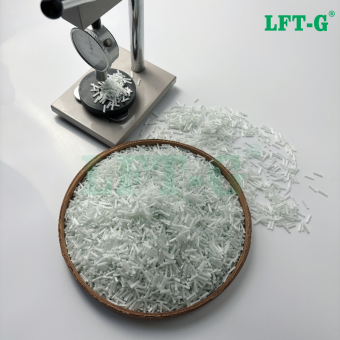
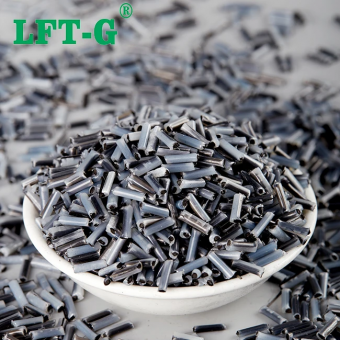
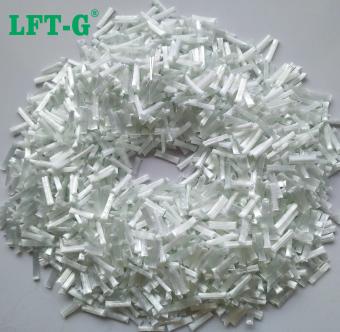
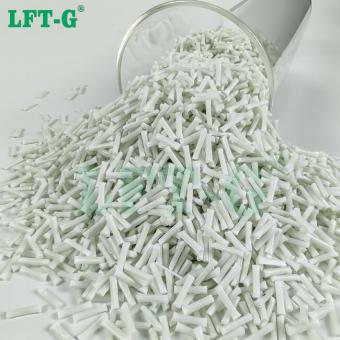
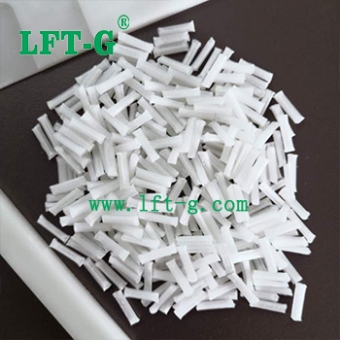
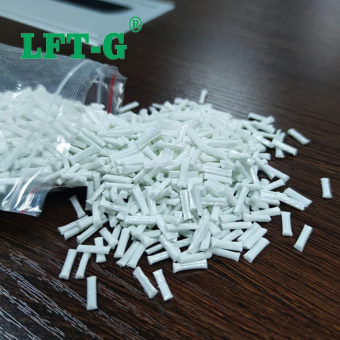
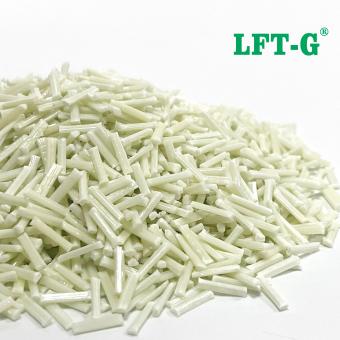
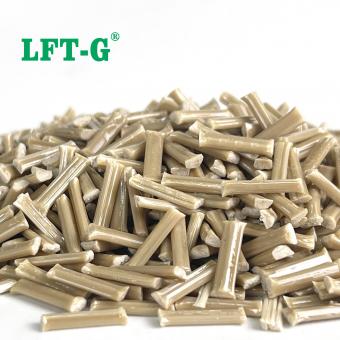
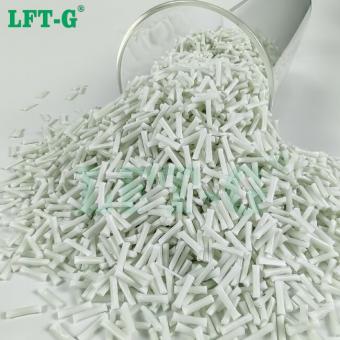
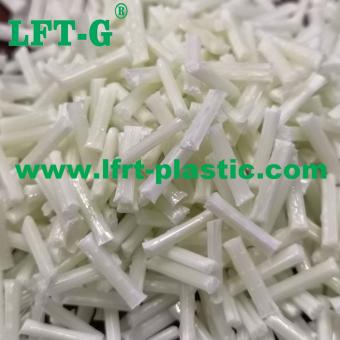
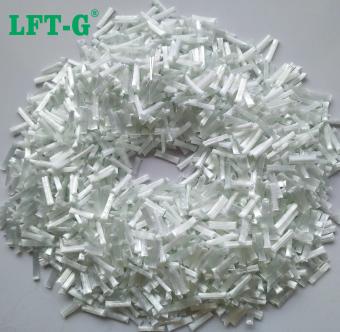
Lange Glasfasern zeichnen sich durch hohe Festigkeit, hohe Steifigkeit, Korrosionsbeständigkeit, Eignung für raue Umgebungen und niedrige Kosten aus. wenn die Harzmatrix imprägniert und zu Pellets extrudiert wird, auch genannt langes Glasfaserpolymer es hat gute mechanische eigenschaften.
-
PE Glasfaser mit hoher DichteHDPE-LGFkombiniert hochdichtes Polyethylen mit langen Glasfasern und bietet dadurch eine herausragende mechanische Festigkeit, Schlagzähigkeit und langfristige Dimensionsstabilität. Es ist eine ideale leichte Alternative zu herkömmlichen Materialien für strukturelle und industrielle Komponenten.
- glasgefülltes HDPE
- Was ist HDPE in Kunststoff?
- HDPE-Kunststoffbeispiele
- Was ist Kunststoff aus hochdichtem Polyethylen (HDPE)?
- Was ist der Prozess der HDPE-Formgebung?
- HDPE-Glasfaserfabrik
Tags :
-
LFT MXD6-Füllung mit Langglasfaser für hochzähen SpritzgussProduktdetails Was ist glasfasergefülltes MXD6? MXD6-LGF (mit langen Glasfasern verstärktes MXD6) ist ein Hochleistungs-Thermoplastverbundwerkstoff aus MXD6-Polyamidharz, das mit langen Glasfasern verstärkt ist. Durch fortschrittliche Pultrusionstechnologie werden kontinuierliche Glasfasern vor der Pelletierung vollständig mit MXD6-Harz imprägniert, wodurch eine hervorragende Erhaltung der Faserlänge und die Bildung einer hochverstärkten inneren Struktur nach dem Spritzgießen gewährleistet werden. Im Vergleich zu Standard-MXD6 oder mit kurzen Glasfasern verstärktem MXD6 bietet MXD6-LGF deutlich verbesserte Zugfestigkeit, Steifigkeit, Schlagzähigkeit, Kriechbeständigkeit und Dimensionsstabilität. MXD6-Harz selbst bietet eine hervorragende mechanische Festigkeit, hohe Wärmebeständigkeit, eine im Vergleich zu herkömmlichen Polyamiden geringe Feuchtigkeitsaufnahme, ausgezeichnete Gasbarriereeigenschaften, chemische Beständigkeit und gute Maßgenauigkeit. In Kombination mit der Verstärkung durch lange Glasfasern bietet MXD6-LGF eine überlegene Tragfähigkeit, Ermüdungsbeständigkeit und langfristige Zuverlässigkeit und ist damit ein ideales leichtes Konstruktionsmaterial für strukturelle Automobilkomponenten, elektrische und elektronische Teile, industrielle Anwendungen und andere anspruchsvolle Umgebungen, die hohe Festigkeit, Wärmebeständigkeit und Dimensionsstabilität erfordern. Typische Anwendungen MXD6-LGF kombiniert die ausgezeichnete mechanische Festigkeit, Wärmebeständigkeit, Dimensionsstabilität und Gasbarriereeigenschaften des MXD6-Harzes mit dem überlegenen Verstärkungseffekt langer Glasfasern. Es bietet deutlich verbesserte Zugfestigkeit, Steifigkeit, Kriechbeständigkeit, Ermüdungsleistung und Maßgenauigkeit bei gleichzeitig guter chemischer Beständigkeit und leichten Eigenschaften und eignet sich daher für anspruchsvolle Anwendungen im Automobilbereich, in der Elektrotechnik, Industrie und im Strukturbaubereich, die hohe Leistung und langfristige Zuverlässigkeit erfordern. Automobilanwendungen Strukturkomponenten, Teile im Motorraum, Komponenten von Batteriesystemen und leichte Automobilteile, die hohe Festigkeit, Wärmebeständigkeit, Dimensionsstabilität und langfristige Zuverlässigkeit erfordern. Elektrik & Elektronik Steckverbinder, Sensorgehäuse, elektronische Komponenten und Präzisionsteile, die ausgezeichnete mechanische Leistung, geringe Feuchtigkeitsaufnahme, Wärmebeständigkeit und Maßgenauigkeit erfordern. Industrielle & mechanische Komponenten Pumpenkomponenten, Ventilkörper, Zahnräder, Gehäuse und mechanische Teile, die hohe Steifigkeit, Ermüdungsbeständigkeit, chemische Beständigkeit und langfristige Haltbarkeit erfordern. Anwendungen mit hoher Barrierewirkung Kraftstoffsystemkomponenten, Barriereschichten und Hochleistungsverpackungsanwendungen, die ausgezeichnete Gasbarriereeigenschaften, chemische Beständigkeit und zuverlässige langfristige Leistung erfordern. Häufig gestellte Fragen Was ist Ihre Mindestbestellmenge (MOQ)? Testbestellungen sind willkommen. Unsere Standard-MOQ beträgt 25 kg für glasfaserverstärkte Qualitäten und 20 kg für kohlenstofffaserverstärkte Qualitäten. Wie stellen Sie die Qualität sicher? Die Qualität wird während des gesamten Produktionsprozesses kontrolliert, einschließlich der Prüfung des MXD6-Harzes, der Glasfaserimprägnierung, der Pelletierung und der Prüfung des Endprodukts. Jede Charge von MXD6-LGF durchläuft strenge Qualitätskontrollen, um eine gleichmäßige Faserverteilung, mechanische Eigenschaften, Optik und Verarbeitungsstabilität sicherzustellen. Materialprüfberichte (MTR) und technische Datenblätter können vor dem Versand bereitgestellt werden. Eine Drittanbieterprüfung kann ebenfalls entsprechend den Kundenanforderungen organisiert werden. Können Sie Materialien kundenspezifisch anpassen? Ja. Wir bieten die kundenspezifische Entwicklung von MXD6-LGF-Materialien entsprechend den Anforderungen verschiedener Anwendungen an.Unser technisches Team kann den Glasfaseranteil, die Schlagzähigkeit, Steifigkeit, Wärmebeständigkeit, Farbe, Kristallisationsleistung und andere Eigenschaften anpassen, um spezifische Produktanforderungen zu erfüllen. Welche Vorteile bietet MXD6-LGF im Vergleich zu Standard-MXD6? Im Vergleich zu Standard-MXD6 bietet MXD6-LGF deutlich höhere Steifigkeit, Zugfestigkeit, Kriechbeständigkeit und Dimensionsstabilität.Die Struktur mit langen Glasfaserverstärkungen trägt dazu bei, die mechanische Leistung unter kontinuierlicher Belastung und in anspruchsvollen Umgebungen aufrechtzuerhalten, wodurch MXD6-LGF für Anwendungen geeignet ist, bei denen herkömmliches MXD6 die erforderliche Festigkeit und Strukturleistung nicht erreichen kann.Darüber hinaus bewahrt MXD6-LGF die ausgezeichnete Schlagzähigkeit, chemische Beständigkeit und geringe Feuchtigkeitsaufnahme von MXD6 und bietet eine ausgewogene Kombination aus Zähigkeit, Haltbarkeit und leichtem Design. Kann MXD6-LGF Metallkomponenten ersetzen? MXD6-LGF kann eine Alternative zu einig...
- Polyadipyl-m-benzoylamin LGF
- Langglasfaserverbundstoff
- Hersteller von modifiziertem LGF, Direktverkauf
- MXD6-Verbindungen mit Langglasfaser
- Polymerverstärkung zum besten Großhandelspreis
- lft-g MXD6 fasergefüllt GF 20%-60%
Tags :
-
Hochfestes HDPE-Material mit hervorragender Schlagzähigkeit und verstärkten LangglasfasernHDPE (High-Density Polyethylene) langglasfaserverstärktes Material nutzt fortschrittliche Langglasfasertechnologie, um die mechanischen Eigenschaften deutlich zu verbessern und gleichzeitig die leichte Beschaffenheit von HDPE beizubehalten. Im Vergleich zu herkömmlichem HDPE bietet dieses Material höhere Steifigkeit, Festigkeit und Schlagzähigkeit bei gleichzeitig hervorragender chemischer Beständigkeit und Witterungsbeständigkeit.
- PE-Kunststoffharz
- PE-Rohr
- Polyethylen hoher Dichte (PE)
- glasfasergefülltes PE
- verstärkte Kunststoffpellets
- Chinesische Kunststofffabrik
Tags :
-
LFT-Biomaterial PLA-fasergefüllte VerbundwerkstoffeLFR-PLA kann mit herkömmlichen Kunststoffverarbeitungstechniken wie Spritzguss und Extrusion, verarbeitet werden und bietet eine gute Anpassungsfähigkeit in der Fertigung. Es wird in Branchen wie Automobilindustrie, Unterhaltungselektronik, 3D-Druck und umweltfreundliche Verpackungen aufgrund seiner Kombination aus hoher Leistung und Nachhaltigkeit weit verbreitet eingesetzt.
- Polymilchsäure-Material
- PLA Polymilchsäure
- Polymilchsäure-Biokunststoff
- Polymilchsäure-Polymer
- PLA-Glas
- kohlenstofffaserverstärktes PLA-Filament
Tags :
-
LFT Polyphenylensulfid-Langfaser-Thermoplast PPS LGF40%-VerbundwerkstoffProduktname: Langglasfaser 40 % Füllung PPS Länge: etwa 12 mm Anwendung: Autoteile, Energiekomponenten und andere Kunststoffteilemehr sehen
-
LFT-G fasergefüllte PBT-Verbundwerkstoffe mit hoher Festigkeit für den SpritzgussUnsere langglasfaserverstärkte PBT-Compounds bieten hohe Festigkeit und hervorragende chemische Verträglichkeit, wodurch sie ideal für industrielle Anwendungen sind, bei denen Haltbarkeit und Leistung entscheidend sind.
- chemische Verträglichkeit von PBT
- Polymer mit Langglasfaserfüllstoff
- Lieferant für naturfarbenes PBT
- PBT-Anwendungen verstärkte Materialien
- Harzverbindungen mit hoher Festigkeit
- Langfaser-PBT für den industriellen Einsatz
Tags :
-
PPA-verstärkte Füllung mit langen GlasfasernFaserverstärktes PPA hat eine hohe Temperaturbeständigkeit, hohe Festigkeit und eine geringe Dichte, daher gilt es als das beste Harz, um Stahl zu ersetzen mit Kunststoff in der Zukunft. Es kann in vielen industriellen und zivilen Bereichen eingesetzt werden, darunter Automobile, Ausrüstung, Unterhaltung, Lebensmittelverarbeitung, Kommunikation, Elektronik und Elektrik, Elektrowerkzeuge, Gartenarbeit usw.
- modifizierter Polyphthalamid-PPA-Kunststoff
- verstärkter PPA-Hochtemperaturbeständigkeitskunststoff
- in China hergestellter Nylon-PPA-Kunststoff mit Langglasfaserfüllstoff
- harte PPA-Materialien mit hohen mechanischen Eigenschaften
- sicheres Kunststoffharz PPA kann recycelt werden
- Spritzguss-PPA Lieferant mit gutem Preis
- Schmelzpunkt von PPA-Polymer
- Wie hoch ist die Temperatur von PPA
- PPA-Thermoplast-Verbundwerkstoff
Tags :
-
Mit Langglasfasern verstärkte TPU-VerbundpelletsTPU (Thermoplastisches Polyurethan) langglasfaserverstärkter Verbundwerkstoffist ein Hochleistungsmaterial, das die hervorragende Flexibilität, Abriebfestigkeit und Witterungsbeständigkeit von TPU mit der überlegenen Festigkeit und Dimensionsstabilität von Langglasfasern kombiniert.
- TPU-Kunststoff
- TPU-Kunststoffmaterial
- TPU-Thermoplast
- verstärkter Kunststoff
- glasfaserverstärkter Kunststoff
- Glasfaserhersteller
Tags :
-
ABS-Pellets mit GlasfaserABS Beim Spritzgießen von ABS wird geschmolzener ABS-Kunststoff unter hohem Druck und hohen Temperaturen in eine Form eingespritzt. Es gibt viele Anwendungen für das ABS-Spritzgießen, da es sich um einen weit verbreiteten Kunststoff handelt und in derAutomobil-, Konsumgüter- und Bauindustrieum nur einige zu nennen.
- verstärkte Glasfaser
- glasfaserverstärkter Polymerbewehrungsstab
- glasfaserverstärkte Betonplatte
- ABS-Kunststoff
- ABS-Harzpellets
- technischer Kunststoff
Tags :
-
Hochfestes Polyamid-12-Verbundmaterial LGF neu für die AutomobilindustrieProduktnummer: PA12-NA-LGF Faserspezifikation: 20%-60% Produkteigenschaft: Hohe Festigkeit, hohe Zähigkeit und Haltbarkeit Produktanwendung: Geeignet für die Automobilindustrie, Sportteile, Solarenergie, die Photovoltaikindustrie und andere Branchen.
- Nylon12 Hochleistungsnylon
- Haltbarkeit PA
- Photovoltaikindustrie
- Spritzgussqualität PA12
- 24h-Service-Verbundwerkstoff
- Lieferantenpreis
Tags :
-
Mit Langglasfaser verstärktes thermoplastisches Polyamid-6,6-Harz, Nylon-GranulatHohe Schmelzpunkte, Abriebfestigkeit, geringe Chemikalienbeständigkeit und hohe Wasseraufnahme
- Polyamid 66 PA66 Glasfaserverstärkung
- LFT GF30 statt Metall und Stahl leichtgewichtig
- einfach zu verarbeiten guter Preis
- Verbundkunststoffe mit hoher Flexibilität und Haltbarkeit
- Fahrzeugrahmen Spritzguss
- heiß verkaufte Compounds
Tags :
-
LFT-Polyamid-6-Harz mit Glasfaser-Füllstoff-Verbindungen, hohe FestigkeitXiamen LFT bietet eine breite Palette an Nylons mit vielen verschiedenen Füllmaterialien an.
- Nylon-6-Filament-Verbundgranulate
- Polymer mit Langglasfaserverstärkung
- Hochzäher verstärkter Kunststoff Glasfaser
- technische Verwendung LFT-Hersteller Produzent
- thermoplastisches Harz kundenspezifische Rohstoffe
- Autoteile Fahrzeugteile
Tags :