Email
Email Deutsch
 English
 français
 русский
 italiano
 español
 português
 العربية
 日本語
日本語 한국의
한국의 中文
中文


-
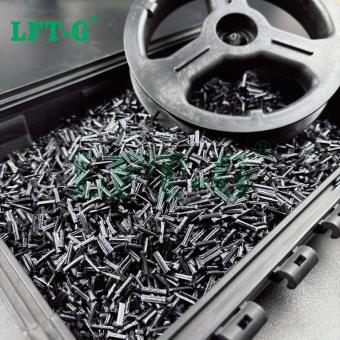
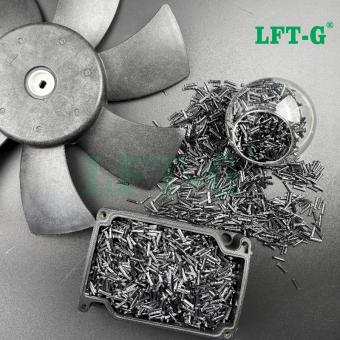
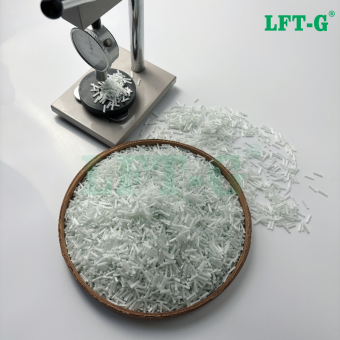
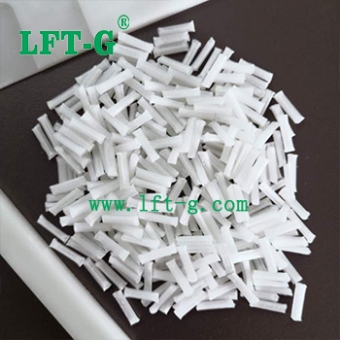
HDPE-Spritzguss, langglasfaserverstärkte VerbindungenUnser langglasfaserverstärktes HDPE-Material bietet außergewöhnliche Festigkeit, Schlagfestigkeit und Dimensionsstabilität wodurch es ideal ist für strukturelle und industrielle Anwendungen . Es wurde für geringes Gewicht und hohe Langlebigkeit entwickelt und findet breite Anwendung in Automobil-, Logistik- und Schwerlast-Spritzgussteile Die
- HDPE GF verstärkt
- Faserverstärkte Polymere (FRP)
- OEM-Hersteller von HDPE-Verbundwerkstoffen
- PE LGF-Hersteller
- chemikalienbeständiges HDPE
- Hochsteifes HDPE für technische Anwendungen
Tags :
-
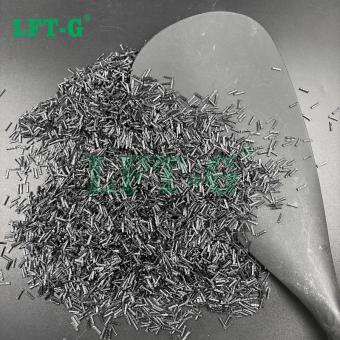
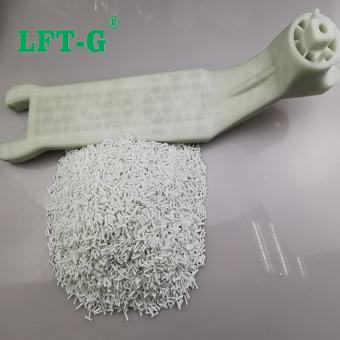
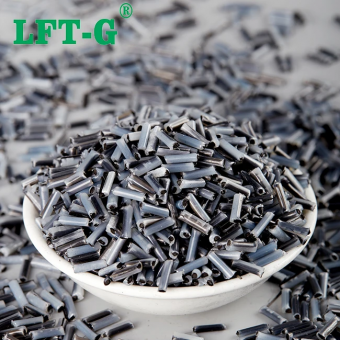
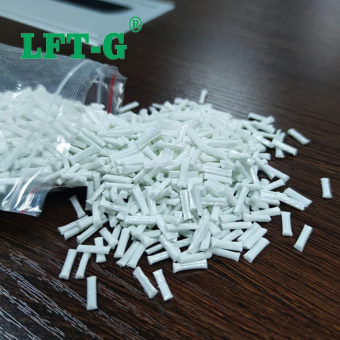
Hochtemperaturbeständiges PPA-Glasfaserpolymer – Breites AnwendungsgebietPolyphthalamid (PPA) ist ein teilkristallines, aromatisches Polyamid. Es ist im Polyamid enthalten, oder Nylon , Familie. Im Vergleich zu Nylon 6/6 ist es stärker, steifer, weniger feuchtigkeitsempfindlich und mit höherer Wärmekapazität Darüber hinaus weist es eine signifikante Resistenz gegenüber auf. chemische Ermüdung Und mechanisches Kriechen Die
- Verstärkter PPA-Kunststoff
- PPA-Spritzgießmaterial
- Elektronische Bauteile aus Thermoplast
- PPA-Glasfaser
- Glasfaser vs. Kohlenstofffaser
- Luft- und Raumfahrtpolymer
Tags :
-
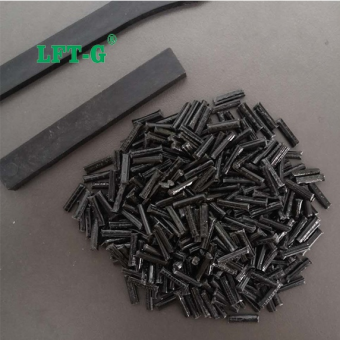
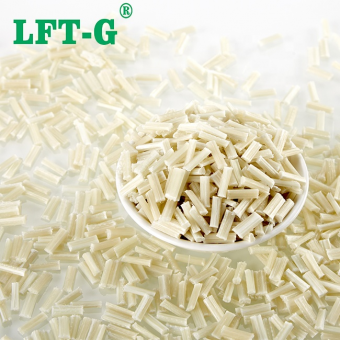
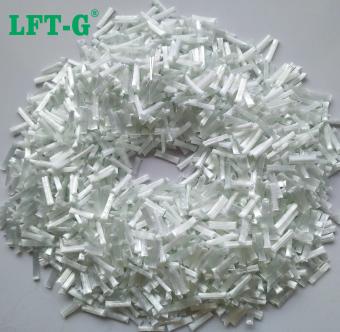
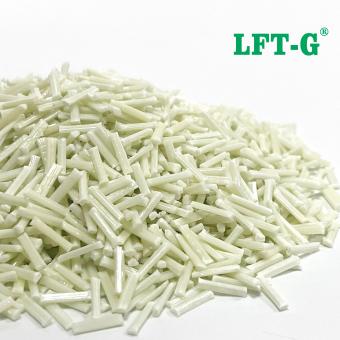
Homopolymer-Polypropylen-Füllung Langkohlenstofffaser-Spritzguss hohe ZähigkeitPolypropylen , auch bekannt als PP , ist ein Polyolefin oder ein gesättigtes Polymer . Es ist ein thermoplastischer Kunststoff niedriger Dichte mit gute Hitzebeständigkeit Weitere Eigenschaften von PP sind: Chemikalienbeständigkeit, Elastizität, Zähigkeit, Ermüdungsbeständigkeit und elektrische Isolationsfähigkeit.
- Kohlenstofffaserverstärkter Kunststoffverbundwerkstoff
- Spritzguss kohlenstofffaserverstärkter Kunststoffe
- Kohlenstofffaserverstärkter Verbundwerkstoff
- Kunststoff-Spritzgussgranulat
- Kohlefaser-Spritzguss
- Kohlenstofffaserverstärkter Kunststoff
Tags :
-
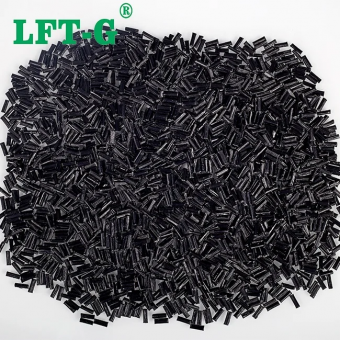
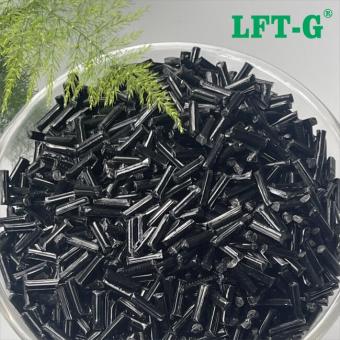
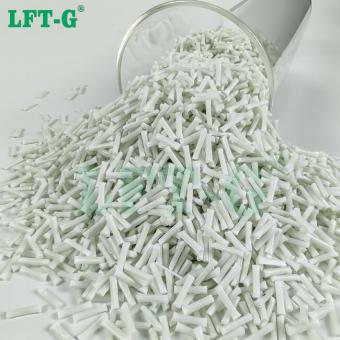
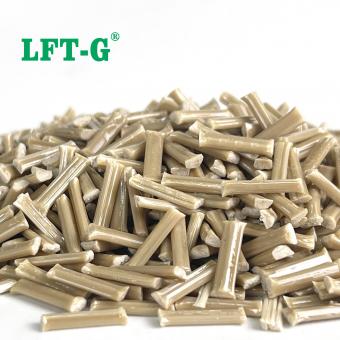
Polypropylen-Langkohlenstofffaser-gefülltes PP-Polymer mit hohen mechanischen EigenschaftenDer modifiziertes Polypropylen Material verstärkt durch Kohlenstofffaser weist eine Reihe von Vorteilen auf, wie z. B. geringes Gewicht, hoher Elastizitätsmodul, hohe spezifische Festigkeit, niedriger Wärmeausdehnungskoeffizient, hohe Temperaturbeständigkeit, Temperaturwechselbeständigkeit, Korrosionsbeständigkeit, gute Vibrationsdämpfung usw., und kann für Autoteile wie z. B. verwendet werden. Automobil Unterinstrumentenbaugruppe.
- Kunststoff-Spritzgussmaterialien
- Kohlenstofffaserverstärkter Polymer für die Automobilindustrie
- verstärkte Verbundwerkstoffe
- PP-Spritzguss
- Faserverstärkter Verbundwerkstoff
Tags :
-
Polyamid-6-Füllung, langkohlenstofffaserverstärkter thermoplastischer WerkstoffWenn Sie sich nicht sicher sind, welches PA-Material für Sie geeignet ist, teilen Sie uns bitte Ihre Anforderungen mit, und unser Team wird Ihnen kostenlos technische Unterstützung bieten.mehr sehen
-
Polyamid 66 Verbundwerkstoff, langkohlenstofffaserverstärkte PelletsDie Gründe für die Wahl von Polyamid gegenüber anderen Materialien variieren je nach Anwendung. Beim Schutz elektrischer Kabel bietet Polyamid im Vergleich zu PVC eine bessere Leistung, Flexibilität und Schlagfestigkeit. In der Automobilindustrie wird es aufgrund seiner geringeren Kosten und seines niedrigeren Gewichts im Vergleich zu Metall eingesetzt. Im Maschinenbau wird es aufgrund seiner hohen Flexibilität und Langlebigkeit anderen Materialien vorgezogen.
- Polyamid Nylon 66
- Kohlenstofffaserverstärktes Nylon
- Spritzguss-Kunststoffgranulat
- Verbundfaserverstärkter Kunststoff
Tags :
-
Polyamid 12-Füllung, langkettige Kohlenstofffaserverbundstoffe, hohe Schlagfestigkeit für AutoteileNylon besteht zwar aus dünnen Fasern, ist aber dennoch robust und langlebig. Seine Widerstandsfähigkeit verdankt es unter anderem seiner synthetischen Beschaffenheit. Da Nylon sich in jede beliebige Form bringen lässt, eignet es sich besonders für Produkte, die Flexibilität erfordern. Diese Flexibilität beruht auf seiner natürlichen Elastizität.mehr sehen
-
PLA-Füllung, langkohlenstofffaserverstärkte PolymilchsäurePLA-Werkstoffe zählen derzeit zu den wegweisenden Werkstoffen im Bereich der biologisch abbaubaren Materialien. Langkohlenstofffaserverstärkte, mit Polymilchsäure (PLA) modifizierte Materialien werden sich voraussichtlich zu globalen Vorteilen bei zukünftigen umweltfreundlichen Materialien entwickeln.
- PLA-Verbundwerkstoffe
- PLA-Langkohlenstofffaser mit hoher Steifigkeit und Festigkeit
- Verstärktes polyaktisches PLA anstelle von Metall
- lange Kohlenstofffaser mit PLA-Modifikation
- Polyaktisches abbaubares Material
- Spritzgussprodukte
Tags :
-
China Kohlenstofffaser Polyphenylensulfid Modifizierte VerbindungenPPS ist ein leistungsstarker, robuster technischer Kunststoff mit hoher Dimensions- und Wärmestabilität sowie einem breiten Betriebstemperaturbereich bis zu 260 °C und guter chemischer Beständigkeit. Darüber hinaus ist PPS, wie die meisten anderen Thermoplaste, ein elektrischer Isolator. Seine Einsatzmöglichkeiten bei hohe Temperaturen In Verbindung mit seiner thermischen Stabilität eignet sich PPS hervorragend für Anwendungen wie zum Beispiel Halbleiterbauteile in Maschinen, Lagern und Ventilsitzen Die
- Preis für Kunststoffgranulat pro kg
- langfaserverstärkte Thermoplaste
- PPS-Kunststoff
- PPS-Schmelzpunkt
- Spritzguss-PPS
- Technischer Kunststoff
Tags :
-
Xiamen LFT-G Langkohlenstofffaserverstärkter PEEK-Verbundwerkstoff SpritzgussPEEK-Füllung, langfaserverstärkter Thermoplast, für leichte Autoteile.
- PEEK-Kohlenstofffaser-verstärktes Pellet
- Kohlenstofffaser-PEEK-Granulat für Luft- und Raumfahrt sowie Automobilteile
- Kohlenstofffaser-Verbundwerkstoff-PEEK-Granulat
- Kunststoff-PEEK-Kohlenstofffaser-Polymere-PEEK-Harz
- Schwarze, farblich abgesetzte Kohlenstofffasergranulate
- Schwarzer, glänzender Carbonfaser-Kunststoff
Tags :
-
LFT-G PA6 Polyamid 6 Nylon 6 Füllung aus langen Glasfasern 40 Originalfarbe für AutomobilteilePA6 & PA6-LGF Langglasfaserverstärktes Nylon PA6, also known as Nylon 6, is a high-performance polyamide widely used in engineering plastics, fibers, and films. It is a thermoplastic polymer with repeating amide groups (-NH-CO-) in the main chain, offering strong mechanical properties and versatile processing capabilities. What is PA6 Plastic? PA6 is an aliphatic polyamide that provides excellent strength, wear resistance, and chemical resistance to weak acids, alkalis, and certain organic solvents. Its lightweight and processable nature make it widely applied in fibers, engineering plastics, and thin films. However, the polar amide groups in PA6 easily form hydrogen bonds with water molecules, which can result in high moisture absorption, dimensional changes, and reduced impact strength in dry or low-temperature conditions. Advantages of PA6 High mechanical strength and toughness with excellent tensile and compressive properties Outstanding fatigue resistance, maintaining strength after repeated bending High softening point, heat resistant Low friction and wear-resistant surface Corrosion resistance to alkalis, salts, weak acids, oils, and most solvents Self-extinguishing, non-toxic, odorless, and good weather and biological resistance Excellent electrical insulation even in high humidity environments Lightweight, easy to dye, and easy to mold due to low melting viscosity Limitations of PA6 High moisture absorption (up to 3% when saturated) Poor light and thermal stability; prolonged high-temperature exposure may cause discoloration and surface cracking Strict injection molding requirements; trace moisture can affect product quality Dimensional stability is sensitive to thermal expansion and wall thickness variations Not resistant to strong acids or oxidizing agents; unsuitable for acid-resistant applications Why Reinforce PA6 with Long Glass Fiber? To overcome the natural limitations of PA6, long glass fiber (LGF) reinforcement is applied. PA6-LGF composites combine the lightweight, chemical, and heat resistance of PA6 with the mechanical strength and dimensional stability of long glass fibers. LGF reinforcement improves tensile, compressive, and flexural strength, reduces shrinkage, enhances fatigue resistance, and provides improved thermal and chemical stability. This makes PA6-LGF ideal for high-performance structural components. Applications of PA6-LGF PA6 reinforced with 30% long glass fiber (30% LGF) is widely used in: Power tool shells and components Engineering machinery parts Automobile structural and functional components The composite improves mechanical strength, dimensional stability, heat resistance, aging resistance, and fatigue resistance. Its fatigue strength can be up to 2.5x that of unreinforced PA6. Processing and Forming Tips for 30% PA6-LGF Shrinkage is reduced to ~0.3% compared with 1–1.5% for pure PA6. Excessive fiber content may cause surface floating fibers and poor compatibility. 30% LGF is recommended for balanced performance. Recycled material content should be kept below 25% to avoid color and mechanical property degradation. Gradual cooling after molding prevents warping due to fiber orientation during injection molding. Mold design, gate position, and temperature control are critical. Customers & Staffs Certificates
- Polyamid-6-Verbundwerkstoff
- LGF-Thermoplastharz
- Hochschlagfestes PA6
- Spritzgusskunststoff
- PA6-Füllung Langglasfaser
- Verstärkter Kunststoff
Tags :
-
LFT-G modifiziertes Nylon 66 (PA66) Füllstoff mit langen Glasfasern für elektronische GerätePA66-LGF Langglasfaserverstärktes Nylon PA66, or Nylon 66, is a high-performance polyamide widely used in engineering plastics. It offers excellent mechanical properties including tensile strength, flexural strength, and impact resistance, along with superior thermal and chemical stability. With lightweight, high wear resistance, good electrical insulation, and self-extinguishing properties, PA66 is ideal for automotive, electrical, industrial equipment, and construction applications. Why Reinforce PA66 with Long Glass Fiber? While PA66 is versatile, it has limitations: high water absorption, low compressive strength when wet, poor alkali resistance, and potential deformation at ultra-low temperatures. Long glass fiber (LGF) reinforcement addresses these challenges. Adding LGF significantly improves impact resistance, thermal deformation resistance, mechanical performance, molding processability, and chemical resistance. LGF acts as a robust internal skeleton, enhancing the durability and reliability of PA66 components. PA66-LGF Technical Datasheet *The datasheet is tested by Xiamen LFT and provided for reference only.* Applications of PA66-LGF PA66 reinforced with 30% long glass fiber is ideal for high-performance applications such as: Automotive components and structural parts Power tool housings and mechanical parts Industrial equipment components For specialized applications, please consult our technical team. PA66-LGF Product Details Number Color Length Sample MOQ Port of Loading Delivery Time Payment Terms PA66-NA-LGF30 Original color (customizable) 12mm (customizable) Available 25kg Xiamen Port 7-15 days after shipment Discussed Xiamen LFT Composite Plastic Co., Ltd Xiamen LFT Composite Plastic Co., Ltd. is a leading manufacturer specializing in long fiber reinforced thermoplastics (LFT & LFRT), including Long Glass Fiber (LGF) and Long Carbon Fiber (LCF) series. Our thermoplastic LFT can be applied in LFT-G injection molding, extrusion molding, and LFT-D molding. We provide products according to customer requirements with fiber lengths from 5 to 25mm. Our continuous infiltration reinforced thermoplastics have passed ISO9001 & 16949 certifications and hold numerous national patents and trademarks. Our Services Technical parameters and leading-edge design of LFT & LFRT materials Mold front design recommendations Technical support for injection molding and extrusion molding processes
- Elektronisches Gerät mit geringer Verformung
- selbstbesitzende PA66-Pellets
- Hochfeste und zähe verstärkte PA66-Pellets
- bestes langglasfaser PA66 LGF30 Granulat
- PA66 6 Doppelschnecken-LGF-Pellets
- Anwendung von langfaserigen PA66-Granulaten
Tags :